
Cozy Home Decor Makes Calm Feel Like Luxury
Cozy home decor is having a very specific main-character moment, and Lupita Nyong’o’s reimagined Los Angeles home captures exactly why the mood feels so relevant right now. The appeal is not about turning a house into a showroom or chasing every micro-trend that flashes across social media for two weeks. Instead, it is about building a space that feels light, warm, functional, lived-in, and emotionally soft without becoming messy or overfilled. Her home story lands at a time when people are craving rooms that help them breathe, recover, host, think, and move through ordinary days with more ease. That is why cozy home decor has become less of a style label and more of a lifestyle language for anyone trying to make everyday spaces feel better.
The phrase “clutter-free but cozy” sounds simple, but it quietly challenges one of the biggest myths in modern interiors. For years, people were often pushed toward two extremes: the hyper-minimal room that looks perfect but feels emotionally cold, or the heavily layered room that feels personal but quickly becomes visually loud. Lupita’s home sits in the more interesting middle, where warmth and restraint are allowed to exist together. That balance matters because the best homes today are not built only for photos; they are built for people who have emails to answer, laundry to fold, friends to welcome, and quiet evenings to protect. When a space can feel open without feeling empty, it starts to support life instead of performing design.
Why Cozy Home Decor Feels Fresh Again
The renewed interest in cozy home decor is not random, and it is not just another seasonal refresh. Many people are tired of spaces that look expensive but feel stiff, especially after years of seeing homes styled around perfect symmetry, spotless surfaces, and furniture that seems too precious to actually use. What feels fresh now is a more relaxed kind of polish, where the room still looks intentional but does not demand that everyone behave carefully inside it. Lupita’s home taps into that energy through a design mood that feels airy, grounded, and welcoming rather than overly staged. The result speaks to a wider shift in modern home design, where comfort is no longer treated as the opposite of elegance.
This new version of comfort is also more mature than the old idea of “cozy” as simply adding blankets, candles, and beige everything. It is about proportion, breathing room, tactile contrast, soft lighting, practical layouts, and the emotional effect of each design choice. A cozy space can still have sculptural furniture, clean lines, refined materials, and a sophisticated color palette, as long as it does not lose its human center. That is what makes the calm decor mood so useful for everyday homes, apartments, rentals, and small spaces. It gives people permission to create rooms that feel collected and peaceful without needing a full renovation or a luxury-level budget.
The Power of Living With a Space First
One of the most interesting lessons from Lupita’s home is the idea of waiting before designing everything. In a culture obsessed with instant makeovers, quick reveals, and one-week room transformations, choosing to live with a space first feels almost radical. It means letting the home tell you what it needs instead of forcing a full aesthetic onto it before you understand the light, the flow, the habits, and the awkward corners. That approach is deeply aligned with slow living because it values observation over impulse. A home designed after real life has happened inside it usually feels more intuitive, because the decisions come from experience rather than pressure.
This matters because every home has a rhythm that is hard to understand from a floor plan or a shopping cart. Morning light might change where you want to drink coffee, while evening shadows might reveal the need for warmer lamps or softer textiles. A corner that looks useless at first might become the perfect reading spot, and a formal seating area might turn out to be less important than a generous table for meals, work, or conversation. When design follows daily behavior, the home becomes more personal without needing to shout. That is why calm interiors often feel more luxurious than trend-heavy rooms: they are shaped around real use, not just visual impact.
Clutter-Free Does Not Mean Personality-Free
The phrase “clutter-free” can make some people nervous because it sounds like stripping a home of memory, color, and character. However, the more current interpretation is not about removing personality; it is about editing the room so the meaningful things can actually stand out. A surface does not need to be empty to feel calm, but it does need enough visual space for the eye to rest. In Lupita’s home mood, the charm comes from creating room for warmth while keeping the overall atmosphere open and graceful. That is the sweet spot many people are searching for now, especially in homes that need to function as work zones, gathering places, and recovery spaces all at once.
A clutter-free room can still include books, art, ceramics, baskets, plants, layered fabrics, and pieces that carry a personal story. The key is choosing what deserves attention instead of letting every object compete at the same volume. This is where intentional styling becomes more useful than pure minimalism, because it helps people keep the soul of a space while lowering the noise. A room with fewer but better-placed pieces often feels more intimate than a room filled with things that do not relate to one another. In that sense, calm decor is not about having less life at home; it is about giving life more room to unfold.
How Calm Decor Changes the Feeling of a Room
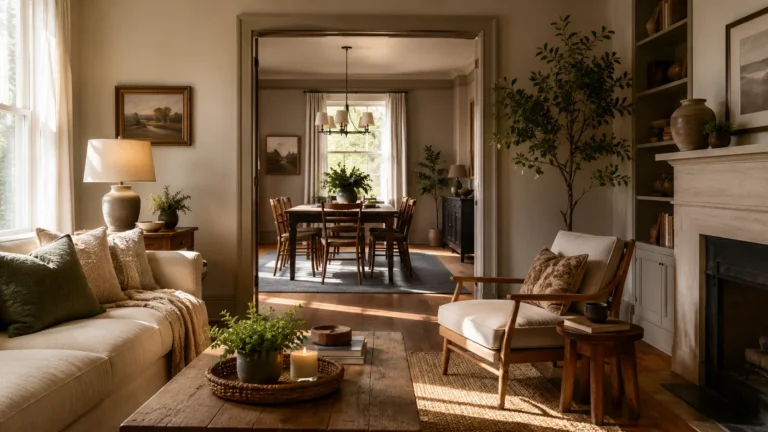
Calm decor works because it affects the body before the mind can even explain why. A balanced room can make the shoulders drop, the breath slow, and the day feel slightly less sharp around the edges. That does not happen by accident, because the materials, colors, shapes, and spacing in a room all send subtle signals. Soft upholstery can make a seating area feel more inviting, while natural textures can bring a sense of groundedness that glossy surfaces often lack. When those choices work together, the room becomes a gentle background for better everyday living rather than a constant source of stimulation.
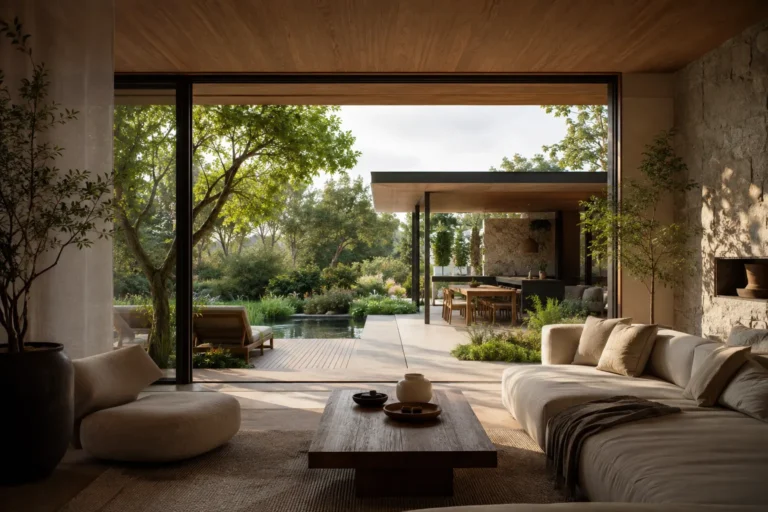
In the context of Lupita’s home, the calm mood feels connected to airiness, warmth, and an indoor-outdoor sensibility. Los Angeles homes often have a special relationship with light, patio spaces, and casual entertaining, but the idea travels far beyond California. Any home can borrow the principle by creating visual flow, softening transitions, and making sure the most-used spaces feel easy to enter. This could mean clearing a crowded entryway, replacing harsh lighting with layered lamps, or choosing furniture that allows conversation instead of blocking it. The goal is not to copy a celebrity home piece by piece, but to understand why the space feels emotionally clear.
The Quiet Return of Warm Neutrals
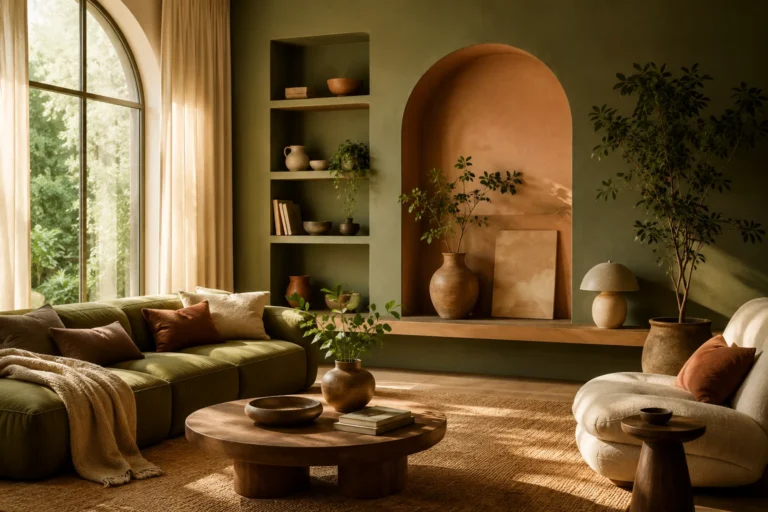
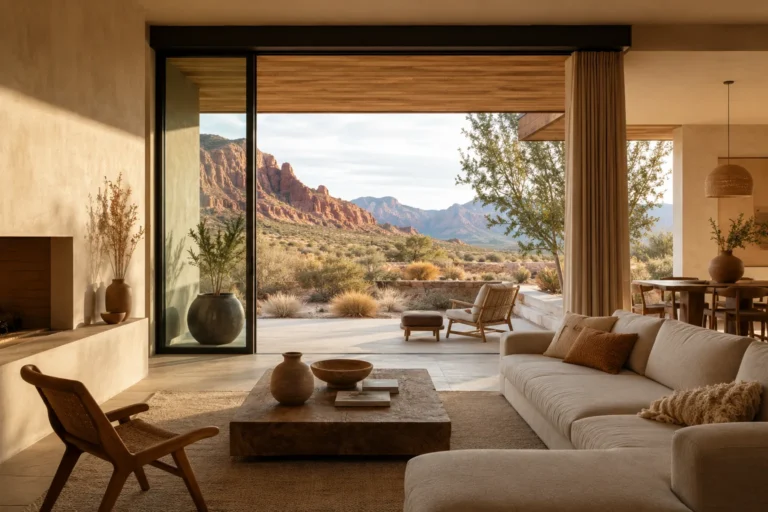
Warm neutrals are a major part of this calm decor movement, but they are no longer limited to plain beige rooms with no contrast. The newer version feels richer, with sandy tones, soft browns, creamy whites, muted clay, pale wood, woven details, and occasional deeper accents that keep the palette from going flat. These colors work because they create continuity without demanding attention in every corner of the room. They also pair well with natural light, textured upholstery, stoneware, linen, rattan, and other materials that make a room feel grounded. When used thoughtfully, warm neutrals can make a space feel calm without making it feel generic.
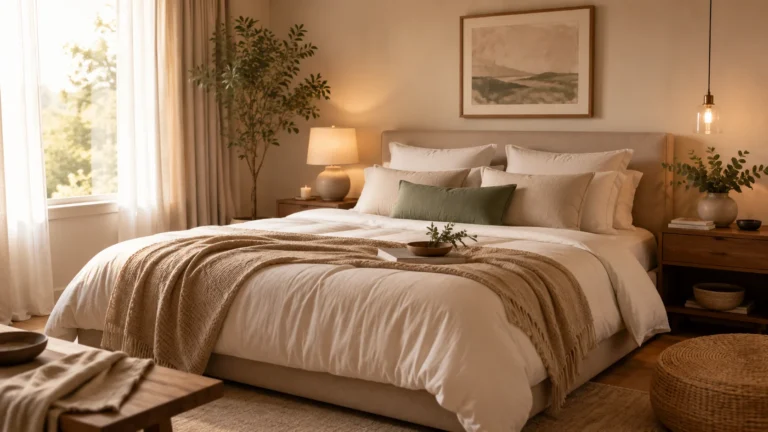
The danger with neutral design is that it can become too safe if every choice is smooth, pale, and predictable. That is why texture matters so much in calm home styling. A boucle chair, a woven basket, a ribbed ceramic lamp, a linen curtain, a matte wood table, or a nubby throw can add quiet interest without disturbing the overall mood. The room gains depth through touch rather than visual chaos, which is one of the clearest signs of elevated cozy design. In a world where so much daily life happens on bright screens, tactile interiors feel like a much-needed reset.
Outdoor Spaces Are Becoming Emotional Rooms
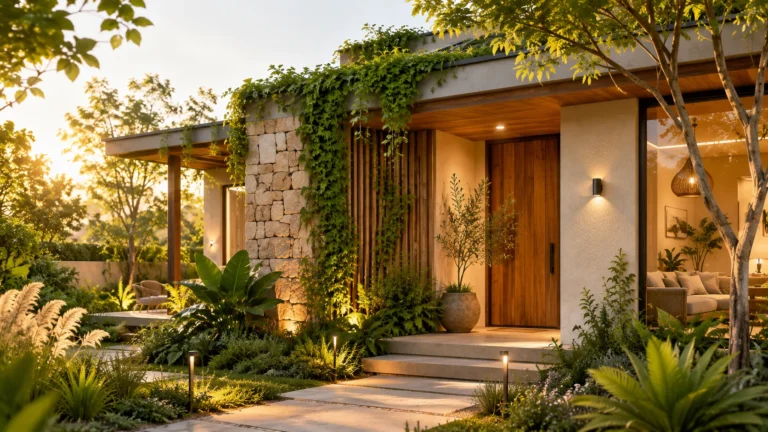
Another reason Lupita’s home story feels current is the way outdoor areas are treated as part of the emotional design plan, not just extra square footage. Patios, balconies, small gardens, and terraces are increasingly becoming wellness spaces, social spaces, and quiet transition zones between private life and the wider world. This is especially important for people who want their homes to feel restorative without turning them into overly curated wellness retreats. A comfortable outdoor chair, a shaded dining setup, a few layered planters, or a low-maintenance corner for morning light can shift the whole rhythm of a home. When the outdoors feels connected to the indoors, everyday routines start to feel less boxed in.
The best outdoor spaces do not need to be huge or expensive to feel meaningful. A balcony can become a slow breakfast spot, a small patio can host low-key dinners, and a simple bench near plants can become the place where someone decompresses after work. What matters is harmony, because outdoor design can easily become either too bare or too decorative. Lupita’s home mood points toward a softer approach, where entertaining and calm are not opposites. The outdoor space can welcome people in, but it can also hold silence, sunlight, and the kind of ordinary peace that makes a home feel complete.
The Wellness Side of Cozy Home Decor
The wellness conversation around interiors has changed a lot, and cozy home decor now sits at the center of that shift. People are realizing that wellness at home is not only about smart devices, air purifiers, workout corners, or spa-style bathrooms, even though those things can help. It is also about whether a room reduces friction in daily life, supports better rest, encourages slower meals, and makes it easier to enjoy small routines. A calm home can gently shape behavior by making the healthier choice feel natural rather than forced. That is why a peaceful layout, comfortable seating, good lighting, and sensory balance can have a real impact on everyday well-being.
This does not mean decor can solve every stressor, and it should not be sold as a magic fix for modern life. However, the spaces people move through every day can either add to the mental load or help soften it. A messy bedroom can make rest feel unfinished, while a harshly lit living room can make evening downtime feel less relaxing. On the other hand, a room with clear pathways, gentle textures, and objects that feel emotionally familiar can make ordinary transitions feel smoother. That practical side is what makes the calm decor mood more than a pretty aesthetic for home wellness.
Lighting Is the Real Mood Setter
If there is one detail that can make or break a cozy space, it is lighting. Overhead lights can be useful, but they often flatten a room and make it feel more like a waiting area than a home. A calmer interior usually depends on layers: a floor lamp near the sofa, a small lamp on a console, warm bulbs in the bedroom, and perhaps a soft glow in the kitchen during the evening. These choices create zones, and zones help a room feel more human because they support different moods at different times of day. Good lighting tells the body when to focus, when to gather, and when to let go.
Lighting also helps cozy design avoid visual heaviness. A room can have textured furniture, warm woods, deeper tones, and layered fabrics, but if the lighting is thoughtful, the space still feels lifted. This is especially useful in smaller homes where every design choice carries more weight. Rather than filling a compact room with too many decorative pieces, a few warm light sources can create atmosphere without taking up much space. In that way, lighting becomes one of the most affordable paths into calm decor, because it changes the emotional temperature of a home almost instantly.
Why Celebrity Homes Influence Everyday Spaces
Celebrity home reveals can sometimes feel distant from real life, especially when the spaces are massive, museum-like, or filled with custom pieces that most people will never encounter. Lupita’s home feels different because the larger idea behind it is surprisingly relatable. The message is not that everyone needs a perfect Los Angeles retreat, but that a home can become better when it is edited around comfort, function, and emotional clarity. People connect with that because they are not only looking for beautiful rooms; they are looking for ways to make their own rooms feel less draining. When a celebrity space communicates that kind of grounded warmth, it becomes less about aspiration and more about translation.
This influence also reflects a broader shift in what people want from design inspiration. The old fantasy was often about status, scale, and dramatic before-and-after transformation, but the newer fantasy is about ease. People want a dining area where friends can stay longer, a sofa that encourages real lounging, a bedroom that does not feel like a storage unit, and an outdoor corner that makes staying home feel intentional. Celebrity homes still set the visual tone, but the most successful ones now offer ideas that can be adapted instead of merely admired. Lupita’s cozy home mood works because it makes calm feel stylish without making style feel out of reach.
How to Bring the Calm Decor Mood Home
The easiest way to bring this mood into a real home is to start with editing, not shopping. Before adding new furniture or accessories, it helps to notice which objects make a room feel heavy, which areas always collect mess, and which corners never quite serve a purpose. From there, the goal is to create more breathing room while keeping the pieces that add warmth, memory, and practical value. This approach is especially useful for renters and small-space dwellers because it does not require permanent changes. A calmer home often begins with better placement, softer lighting, and fewer things fighting for attention.
- Choose one room and remove items that no longer support how the space is used.
- Add texture through fabric, wood, ceramics, or woven pieces instead of visual clutter.
- Use warm layered lighting to create a softer evening atmosphere.
- Keep meaningful objects visible, but give them enough space to feel intentional.
Once the room feels clearer, the next step is to add comfort with intention. A large throw can soften a sharp sofa, curtains can warm up bare windows, and a single sculptural lamp can make a plain corner feel considered. Plants can help connect the room to nature, but they should be chosen realistically so they do not become another source of stress. Storage also matters because calm decor is easier to maintain when everyday items have obvious places to land. The point is not perfection; it is creating a home that can return to calm more easily after life inevitably makes it messy.
The Bigger Trend: Homes That Help Us Recover
The calm decor mood is part of a larger cultural movement toward homes that help people recover from overstimulation. Work is faster, feeds are louder, news cycles are heavier, and many people spend more hours than ever moving between digital tasks. In that context, the home becomes more than a backdrop; it becomes one of the few places where the nervous system can get a different signal. Cozy interiors, slow living rituals, and better everyday spaces all respond to the same need for softness in a world that often feels too sharp. Lupita’s home resonates because it gives that need a visual form that feels elegant instead of escapist.
This is also why the trend has staying power beyond one celebrity reveal or one design season. People may change color palettes, furniture silhouettes, and materials over time, but the desire for homes that feel calmer and more supportive is not going away. The most future-proof interiors will likely be the ones that balance beauty with emotional usefulness. They will make room for hosting, solitude, work, rest, cooking, reading, stretching, and doing nothing at all. In that sense, calm decor is not a retreat from life; it is a better stage for living it.
Conclusion: Calm Is the New Home Luxury
Lupita’s reimagined home captures a design lesson that feels especially important right now: luxury does not always need to be loud. Sometimes it looks like a room with enough space to think, a sofa that invites people to stay, a patio that feels connected to nature, and a palette that lets the day slow down. Cozy home decor works because it brings comfort and clarity into the same conversation, allowing a home to feel styled without becoming stiff. It also reminds us that the best interiors are not only about what visitors see, but about how the people who live there feel every single day. In the end, calm is not a lack of design; it is design that finally understands what home is for.