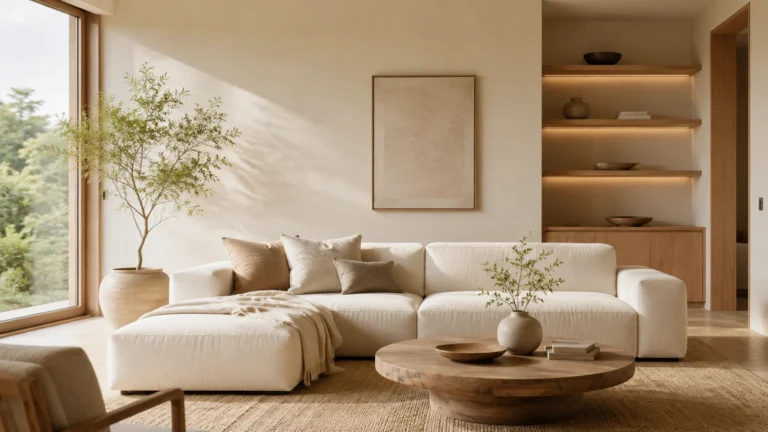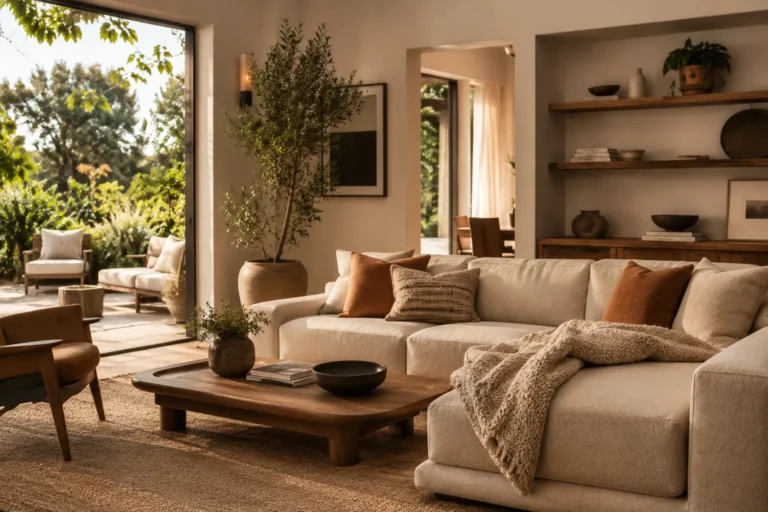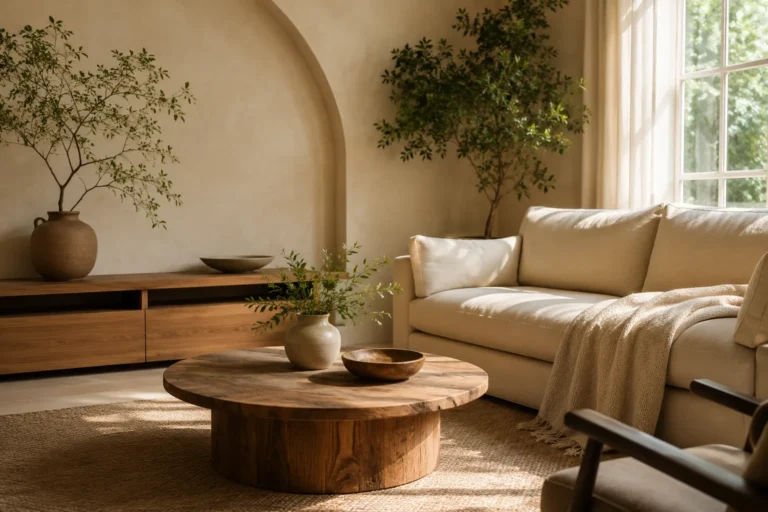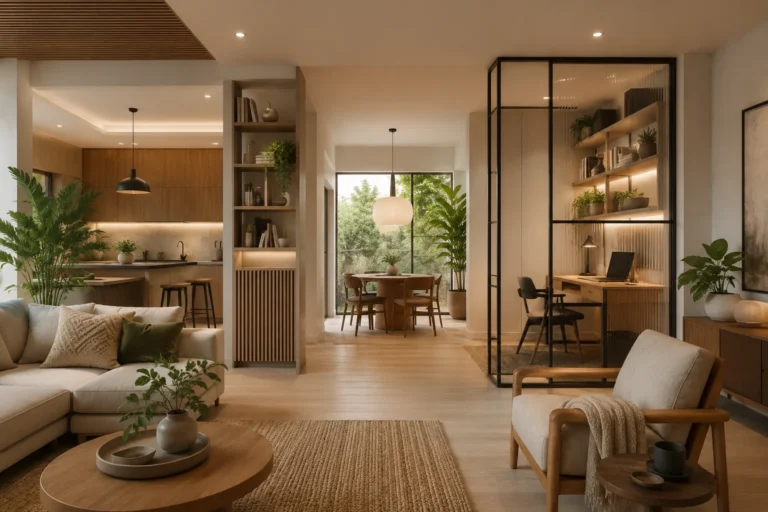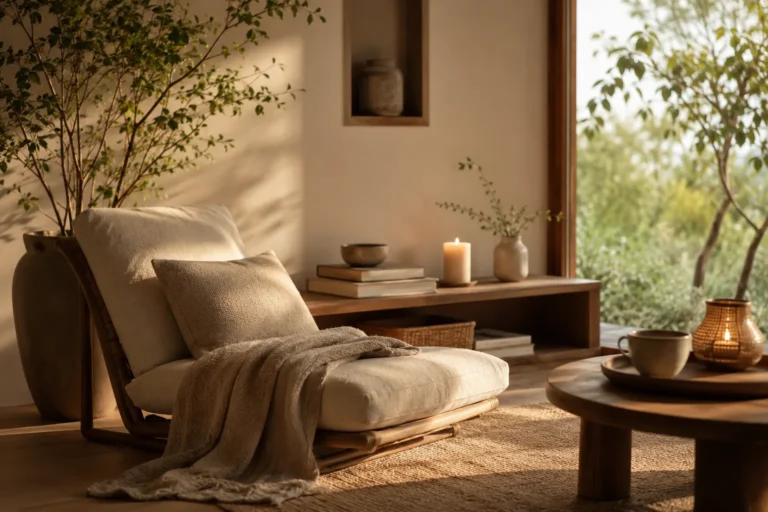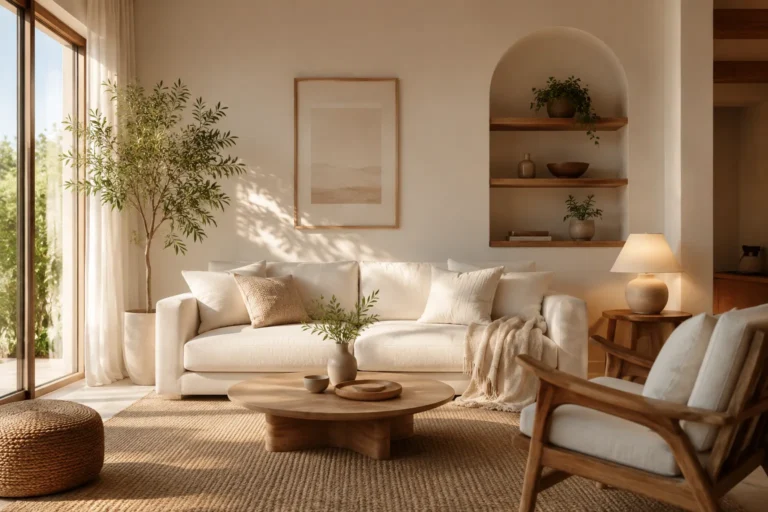
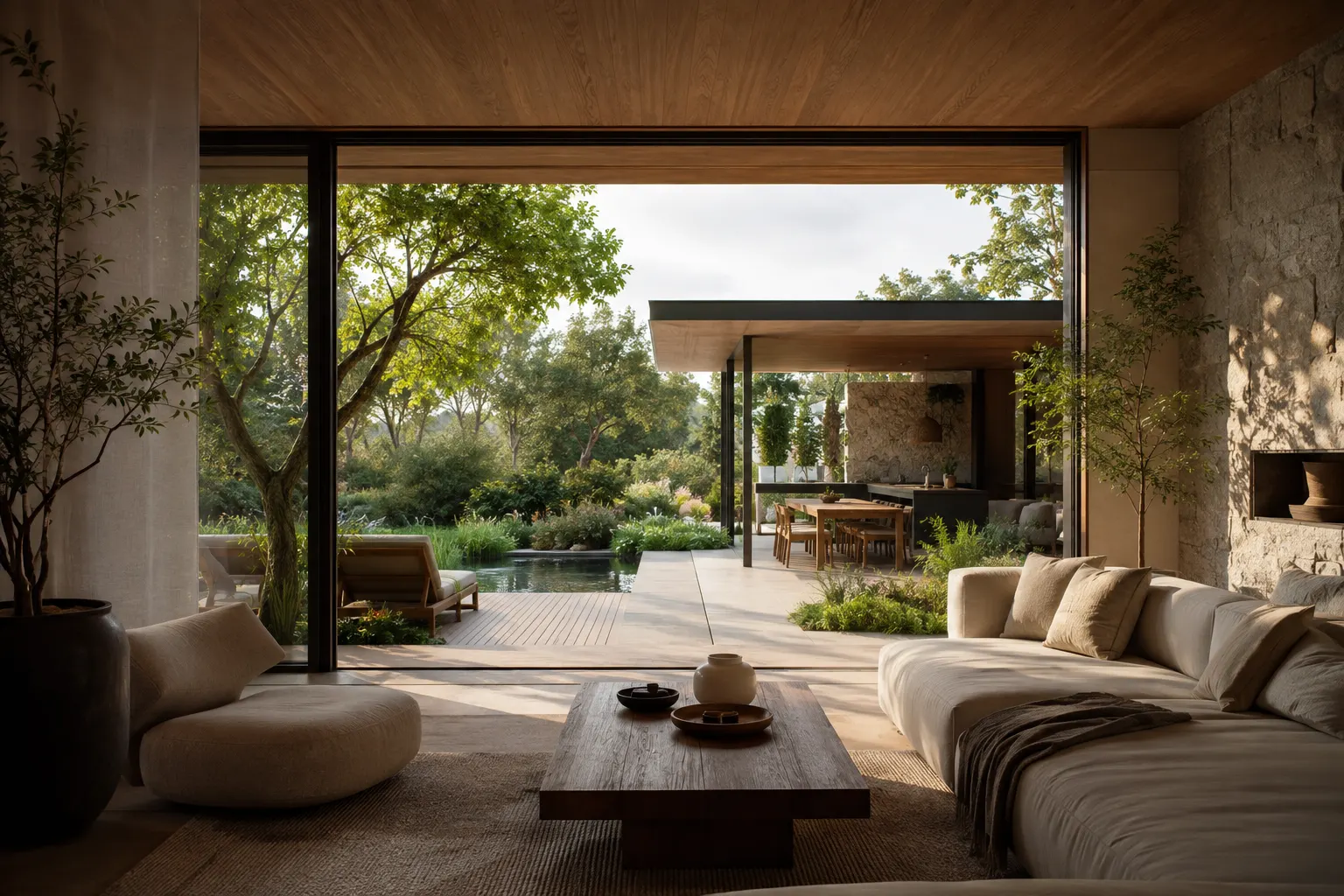
Wellness-Focused Luxury Homes Redefine Space
For decades, luxury housing followed a simple formula: add more rooms, stretch the floor plan, build a larger pool, and make the driveway long enough to feel cinematic. That formula is now being quietly rewritten as affluent buyers begin asking a different question before signing a contract: how will this home make daily life feel? The rise of wellness-focused luxury homes shows that comfort is no longer measured only in square footage, imported stone, or the number of guest suites behind a gated entrance. Buyers increasingly want homes that support better sleep, cleaner air, calmer routines, meaningful privacy, and stronger connections with nature. In this new version of luxury, a house earns its value not by looking enormous from the street, but by helping the people inside it live with greater energy, balance, and intention.
The change can be felt from the moment someone walks through the front door of a newer high-end property. Instead of entering a cavernous hall designed mainly to impress visitors, residents may step into a softly lit space where natural materials, filtered air, acoustic treatments, and garden views immediately lower the sensory volume. There may still be dramatic architecture, expensive finishes, and carefully commissioned furniture, but those elements are increasingly expected to serve a practical emotional purpose. A beautiful room that feels cold, noisy, or disconnected from the rhythms of everyday life is losing its appeal. Modern buyers are looking for homes that create a sense of arrival without making them feel as though they have entered a hotel lobby. The goal is not to abandon glamour, but to make glamour feel personal, restorative, and genuinely livable.
The Bigger-Is-Better Era Is Losing Its Grip
The obsession with size grew naturally during an era when property was treated as the clearest visual proof of success. Larger houses offered more opportunities for formal dining rooms, multiple lounges, oversized kitchens, private cinemas, and guest bedrooms that might remain untouched for most of the year. Yet the hidden cost of that scale gradually became harder to ignore, especially as homeowners dealt with maintenance, energy use, staffing, security, and spaces that felt strangely empty. A sprawling floor plan can create distance between family members just as easily as it creates privacy, and rooms without a clear purpose often turn into expensive storage zones. Younger luxury buyers, particularly those accustomed to flexible work and highly personalized services, are questioning whether unused space deserves such a large share of their budget. They are not necessarily choosing tiny homes, but they are demanding that every square meter contribute something meaningful to daily life.
This shift does not mean that spacious homes are disappearing from the luxury market. Instead, size is becoming secondary to planning, atmosphere, adaptability, and the quality of the experience created within that space. A smaller primary suite with excellent ventilation, blackout systems, quiet walls, and direct garden access may feel more luxurious than a giant bedroom surrounded by reflective marble. A compact kitchen designed around real cooking habits can outperform a showroom-style kitchen filled with appliances that rarely leave standby mode. Buyers are also paying closer attention to circulation, asking whether the journey between rooms feels natural or whether the house forces them through endless corridors. As expectations evolve, architectural intelligence is becoming more desirable than pure scale. The best homes now feel generous because they remove friction, not simply because their walls are far apart.
Why Wellness-Focused Luxury Homes Feel Different
Wellness-focused luxury homes are defined less by a single room or gadget than by the way multiple systems work together. Natural light is planned according to the movement of the sun, rather than treated as a decorative bonus added after the floor plan is complete. Air filtration, humidity control, low-toxin materials, thermal comfort, and sound management are considered essential infrastructure, even when visitors never notice them. Outdoor areas are positioned as extensions of daily living, giving residents practical reasons to step outside instead of viewing the garden only through glass. Technology is still present, but it tends to operate quietly in the background, adjusting lighting, temperature, security, and energy use without demanding constant attention. The result is a home that feels calmer because its complexity has been carefully hidden.
The strongest examples also recognize that wellness is deeply personal and cannot be reduced to a universal checklist. One resident may need a meditation room, while another finds the same peace in a workshop, music studio, greenhouse, or kitchen built for slow weekend cooking. Some families want spaces where several generations can live together without sacrificing independence, while others prioritize flexible rooms that shift between work, exercise, and rest. Designers are responding by creating homes that can change as routines, bodies, families, and careers evolve. Sliding partitions, adaptable furniture, separate entrances, and multiuse rooms allow a property to remain relevant without undergoing constant renovation. This flexibility is a quieter form of luxury because it gives residents the freedom to change without feeling trapped by the architecture they purchased.
Sleep Becomes a Serious Design Priority
One of the clearest signs of the wellness shift is the new attention being paid to sleep. In older luxury homes, bedrooms often competed to be the largest and most visually dramatic spaces in the building, even when their lighting, acoustics, and temperature made rest difficult. Newer designs treat the bedroom more like a recovery environment, with layered curtains, circadian lighting, silent climate systems, air purification, and materials selected for comfort rather than visual impact alone. Layouts may position sleeping areas away from noisy entertainment zones, garages, mechanical rooms, and bright exterior lighting. Some homes even create transitional spaces between active areas and bedrooms, allowing residents to mentally slow down before entering the room. These details may not photograph as dramatically as a marble staircase, but they can improve the part of life that occupies roughly a third of every day.
The bedroom is also becoming less crowded with entertainment technology. Large televisions, visible charging stations, blinking routers, and desks filled with unfinished work can keep the mind connected to the outside world when it needs to switch off. In response, designers are creating hidden screens, device drawers, analog reading corners, and separate workspaces that protect the bedroom from professional spillover. This approach aligns with a broader interest in home wellness design, where rooms are shaped around human behavior instead of decorative trends alone. Even the placement of a bedside lamp or the texture of a wall can influence whether the room feels energizing or restful. Luxury buyers are increasingly willing to pay for these subtle improvements because their value is experienced every night rather than only when guests arrive.
Nature Is Moving From Decoration to Infrastructure
Luxury homes have always used gardens as visual symbols, but the newest generation of properties treats nature as an active part of the living system. Courtyards bring daylight and fresh air deeper into the floor plan, while shaded terraces create comfortable outdoor rooms that can be used throughout more of the year. Trees are selected not only for beauty but also for privacy, cooling, seasonal change, and their ability to soften surrounding noise. Water features may be designed to support local ecosystems or moderate temperature rather than functioning as purely ornamental displays. Interior materials often echo the landscape through stone, timber, clay, linen, and muted colors that make the transition between inside and outside feel less abrupt. These choices help residents experience nature repeatedly during ordinary routines instead of treating it as a weekend destination.
Biophilic design has become especially valuable in dense cities, where access to quiet green space is limited and daily life can feel visually aggressive. A narrow garden visible from the breakfast table, a planted balcony outside the shower, or a rooftop filled with herbs can change how a resident experiences an otherwise urban environment. High-end developers are beginning to understand that a view of greenery may matter more to buyers than another decorative reception room. The relationship with nature also encourages slower habits, such as opening a window in the morning, walking through a courtyard after work, or noticing seasonal changes from a familiar chair. These small rituals are central to the appeal of slow living spaces, which make ordinary moments feel less rushed and more deliberate. The home becomes not an escape from life, but a structure that helps life move at a healthier pace.
Privacy Is Being Redesigned, Not Maximized
Traditional luxury often equated privacy with distance, placing homes behind walls, gates, long drives, and enormous setbacks. While security remains important, residents now want a more nuanced balance between retreat and connection. A house can provide privacy without isolating everyone inside separate wings, and it can support family life without forcing constant interaction. Architects are creating layered zones that move gradually from shared to personal space, making it easier for people to choose how socially available they want to be. A quiet reading alcove near the living room may offer enough separation for one person without removing them completely from family activity. This approach feels more human than simply multiplying rooms, because it acknowledges that privacy needs can change from hour to hour.
The same principle applies to multigenerational homes and properties that include live-in staff, caregivers, or frequent guests. Separate entrances, compact kitchenettes, private terraces, and carefully planned sound barriers allow people to share an address without feeling as though they occupy the same routine. These arrangements can support aging parents, adult children, or long-term visitors while preserving dignity and independence. They also make the property more adaptable, since a guest wing can later become a studio, office, rental suite, or caregiving space. The best designs avoid creating a rigid hierarchy between the main residence and secondary areas, instead giving each zone natural light and a sense of identity. Luxury in this context means having enough spatial flexibility to care for relationships without sacrificing personal boundaries.
The Home Gym Is Growing Into a Recovery Suite
Fitness rooms are no longer treated as forgotten basements with a treadmill facing a blank wall. In many new luxury properties, movement and recovery spaces receive the same level of architectural attention as kitchens or living rooms. They may include natural ventilation, garden access, shock-absorbing floors, adjustable lighting, cold-water immersion, saunas, steam rooms, treatment spaces, and storage that keeps equipment visually controlled. Some residents want a compact studio for yoga and strength training, while others prefer a larger suite that supports professional coaching and physical therapy. The key difference is that these areas are designed around consistent use rather than spectacle. A wellness room succeeds when it makes a healthy routine easier to begin and more pleasant to repeat.
Recovery is also expanding beyond exercise into emotional and sensory restoration. Quiet rooms, libraries, craft studios, music spaces, and screen-free lounges are being included because homeowners recognize that health is not limited to movement and nutrition. These spaces give residents permission to pause without needing to leave home, book an appointment, or transform the living room every time they want solitude. The most thoughtful designs avoid turning wellness into another demanding performance filled with complicated equipment and strict routines. Instead, they offer several low-pressure ways to decompress, from sitting near a window to taking a warm shower under soft lighting. This makes the home feel supportive rather than instructional, which is essential for habits that need to last beyond the excitement of moving in.
Quiet Technology Replaces the Smart-Home Showroom
The first wave of smart homes often made technology highly visible, with wall-mounted control panels, complicated remotes, glowing screens, and automated features that required regular explanation. Today’s luxury buyers are less impressed by a house that constantly announces how intelligent it is. They prefer systems that work reliably, protect privacy, reduce energy use, and disappear into the rhythm of the day. Lighting may shift gradually with the time, blinds may respond to heat, and air systems may adjust before a room becomes uncomfortable. The resident should not need to open five apps to enjoy these benefits, nor should the home feel unusable when the internet connection becomes unstable. In the most refined properties, technology behaves like good service: available when needed, nearly invisible when it is not.
This quieter approach also reflects growing fatigue with screens and digital interruptions. Homeowners who spend much of the day working online increasingly want their private spaces to reduce stimulation rather than extend it. Designers are responding with hidden charging drawers, device-free dining areas, reading rooms without televisions, and dedicated offices that keep work physically contained. Some homes use traditional switches alongside automation, ensuring that essential functions remain intuitive for residents, children, guests, and staff. This combination of advanced infrastructure and simple interaction is becoming a defining characteristic of better everyday spaces. The smartest home is no longer the one with the most features, but the one that asks for the least mental effort.
Sustainable Choices Become Part of Personal Comfort
Sustainability is also moving closer to the center of luxury design, partly because environmental performance directly affects comfort and operating costs. Better insulation, shaded glazing, efficient cooling, solar generation, water reuse, and locally appropriate landscaping can make a large home easier to maintain while reducing its impact. Buyers are becoming more interested in where materials come from, how long they will last, and whether they can be repaired rather than replaced. Reclaimed timber, natural stone, recycled metals, and low-emission finishes can add character while supporting healthier indoor conditions. These choices are not always visually obvious, which makes them different from older forms of status consumption. Their value emerges slowly through lower energy use, fewer maintenance problems, and a home that ages with dignity.
Durability is especially important as homeowners reject interiors designed for constant trend cycles. Replacing perfectly functional rooms every few years can feel wasteful, disruptive, and strangely exhausting, even when money is not the primary concern. As a result, more buyers are choosing timeless layouts, repairable furniture, natural patina, and materials that improve through use. Personal objects, handmade pieces, art, books, and family history can then become the changing layer of the interior, while the architectural foundation remains calm and dependable. This approach creates a home that feels collected rather than installed all at once. It also supports emotional sustainability, because residents are less likely to feel that their space has become outdated whenever a new design trend appears online.
What This Shift Means for the Luxury Market
The growth of wellness-centered design is changing how architects, developers, agents, and buyers define premium property. Features that were once considered optional upgrades are becoming expected standards, particularly in markets where buyers can compare several high-end developments at once. Clean indoor air, acoustic comfort, natural light, outdoor access, flexible layouts, and energy efficiency may increasingly influence resale value alongside location and architectural reputation. Developers who focus only on dramatic lobbies and expensive finishes risk creating homes that photograph well but disappoint during daily use. Meanwhile, smaller projects with thoughtful planning can compete more effectively because they offer something residents feel immediately. The market is learning that emotional comfort can be just as measurable as the size of a swimming pool.
This trend may also influence mainstream housing as ideas move from custom properties into more accessible developments. Not every home can include a private sauna, cold plunge, or landscaped internal courtyard, but many wellness principles do not require extravagant budgets. Better daylight, quieter bedrooms, useful storage, low-toxin materials, shaded outdoor areas, and flexible rooms can improve houses and apartments at many price levels. Luxury often acts as a testing ground where new expectations become visible before spreading into broader design culture. As residents experience homes that actively support their health, they may begin demanding similar priorities from rental buildings, workplaces, hotels, and public spaces. In that sense, the wellness movement could reshape more than expensive houses; it could gradually raise the standard for how everyday environments are designed.
Luxury Is Becoming a Feeling, Not a Measurement
The most important change is philosophical rather than architectural. Luxury is moving away from accumulation and toward alignment, where the home reflects how residents actually want to spend their time. A family may choose a smaller formal dining room in exchange for a brighter everyday kitchen, or replace an extra guest suite with a garden, studio, or wellness area that is used every week. These decisions show a willingness to prioritize lived experience over conventional expectations. They also suggest that status is becoming less about owning the biggest possible object and more about controlling time, noise, attention, and personal energy. A home feels truly luxurious when it gives residents the freedom to sleep well, breathe deeply, move comfortably, gather naturally, and withdraw without guilt.
Wellness-focused luxury homes are therefore not rejecting beauty, ambition, or generosity. They are redefining those qualities through spaces that protect health, encourage meaningful routines, and remain useful as life changes. The new dream home may still be visually impressive, but its greatest achievements are often invisible: balanced light, quiet air systems, thoughtful boundaries, restorative bedrooms, and rooms that invite people to slow down. Instead of asking how many spaces a house contains, buyers are asking how each space contributes to a better day. That question is reshaping luxury from the inside out, replacing empty scale with emotional intelligence and long-term value. In the homes leading this movement, wellness is no longer a separate amenity added near the gym; it is the central idea holding the entire property together.