Inner Stillness Rituals for a Calmer Home
There is a certain kind of quiet that does not come from turning off every device, buying softer curtains, or repainting the living room in a warmer shade of beige. It comes from the way a home lets the mind land, breathe, and feel less chased by the noise of the day. That is why inner stillness rituals are becoming more than a wellness phrase; they are turning into a practical design language for people who want their everyday spaces to feel emotionally safe. In a world where the home has become an office, a recovery zone, a content corner, a social hub, and sometimes a hiding place, calm no longer feels like a luxury. It feels like infrastructure for modern living.
The idea sounds simple at first: slow down, sit still, breathe, and create a moment of peace. But inside the rhythm of real life, that simplicity can feel almost radical. Many people are not looking for a perfect minimalist home anymore, because perfect spaces can feel cold, expensive, and impossible to maintain. What they want is a home that helps them return to themselves after a crowded commute, a long screen-heavy workday, or an emotionally messy week. This is where the ritual matters, because calm is not only something a room gives you; it is something you practice inside that room until the space starts to hold the habit for you.
Why Inner Stillness Rituals Are Shaping Home Life
The rise of inner stillness rituals fits into a larger shift in how people think about home, wellness, and personal space. For years, home improvement culture focused heavily on visual transformation, from dramatic before-and-after makeovers to trendy furniture swaps that looked good on a feed. Now, the conversation is moving toward how a home feels when nobody is watching. The best room is not always the most photographed one; it may be the corner where your nervous system finally stops bracing. That small change in priority is quietly reshaping how people arrange their bedrooms, kitchens, entryways, and even the forgotten spaces between rooms.
This shift also reflects a deeper kind of fatigue. People are tired of homes that demand constant performance, constant styling, and constant upgrading. They are beginning to ask whether a space supports rest, reflection, emotional regulation, and better daily rhythms. A home can look polished and still feel mentally loud if every surface reminds you of unfinished tasks, visual clutter, or pressure to keep up with trends. A calmer home, by contrast, works like a soft pause in the middle of modern life, and that pause often begins with rituals that are small enough to repeat.
Inner stillness is not about escaping life or pretending that stress does not exist. It is about building tiny moments where the body can stop reacting and the mind can stop reaching for the next notification, deadline, or decision. At home, this might look like lighting a candle before opening your laptop, sitting near a window before checking messages, or taking three quiet minutes in the hallway after coming back from outside. These gestures may seem minor, but repeated daily, they begin to change the emotional meaning of a space. The room becomes less like a container for tasks and more like a companion in recovery.
The Home as a Nervous System Reset
Modern homes are absorbing more pressure than ever, and that pressure is not always visible. A dining table might also be a work desk, a bedroom might double as a scrolling zone, and a sofa might carry the emotional weight of both rest and burnout. When every area serves too many roles at once, the brain can struggle to recognize when it is allowed to switch modes. This is why intentional home rituals matter, because they create signals that tell the body what is happening now. A quiet morning drink, a slow evening tidy-up, or a no-phone chair by the window can become a clear message that the day is changing pace.
The strongest calming homes are not necessarily silent or spacious. They are coherent, meaning the objects, lighting, textures, and habits all point toward the same emotional goal. A small apartment can feel deeply peaceful if its rhythms are clear and its sensory details are kind to the body. A large house can feel chaotic if every room is overloaded with visual demands and unfinished decisions. The goal is not to erase personality, because a calm home should still feel lived in, layered, and human. The goal is to reduce friction between the way you want to feel and the way your environment keeps pulling you.
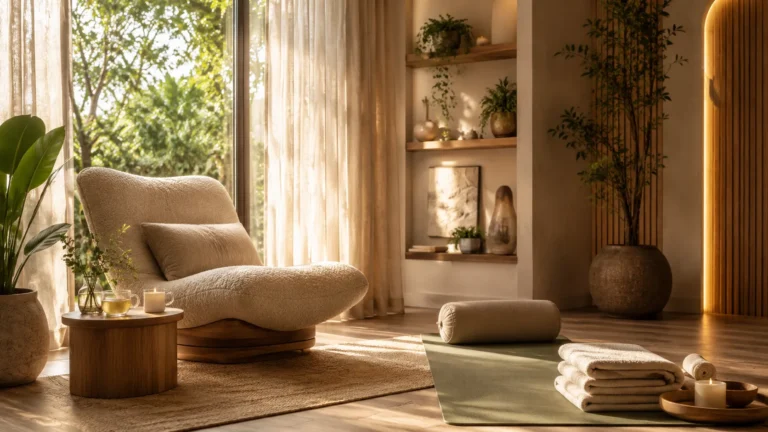
Think of inner stillness as a reset button that does not need expensive equipment. It can begin with a mat, a chair, a low lamp, a favorite mug, or a patch of morning light. What matters is the consistency of the cue, because the brain learns through repetition and atmosphere. When the same corner is used for breathing, reading, journaling, stretching, or simply sitting without a task, the space starts to carry that association. Over time, walking toward that corner can feel like stepping into a quieter version of yourself.
Designing a Quiet Ritual Corner Without Overdoing It
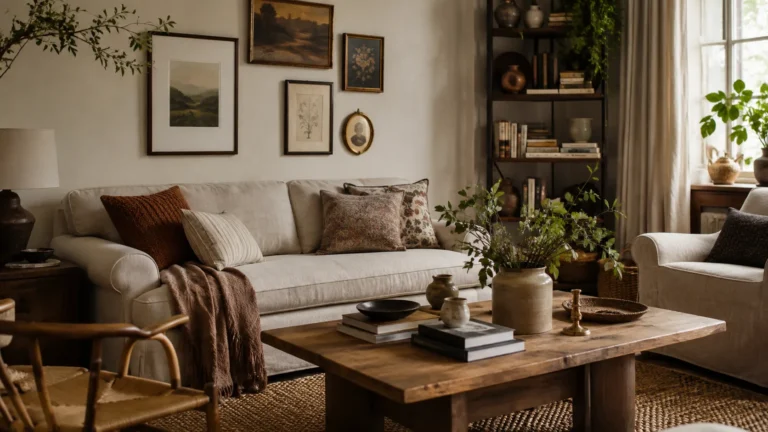
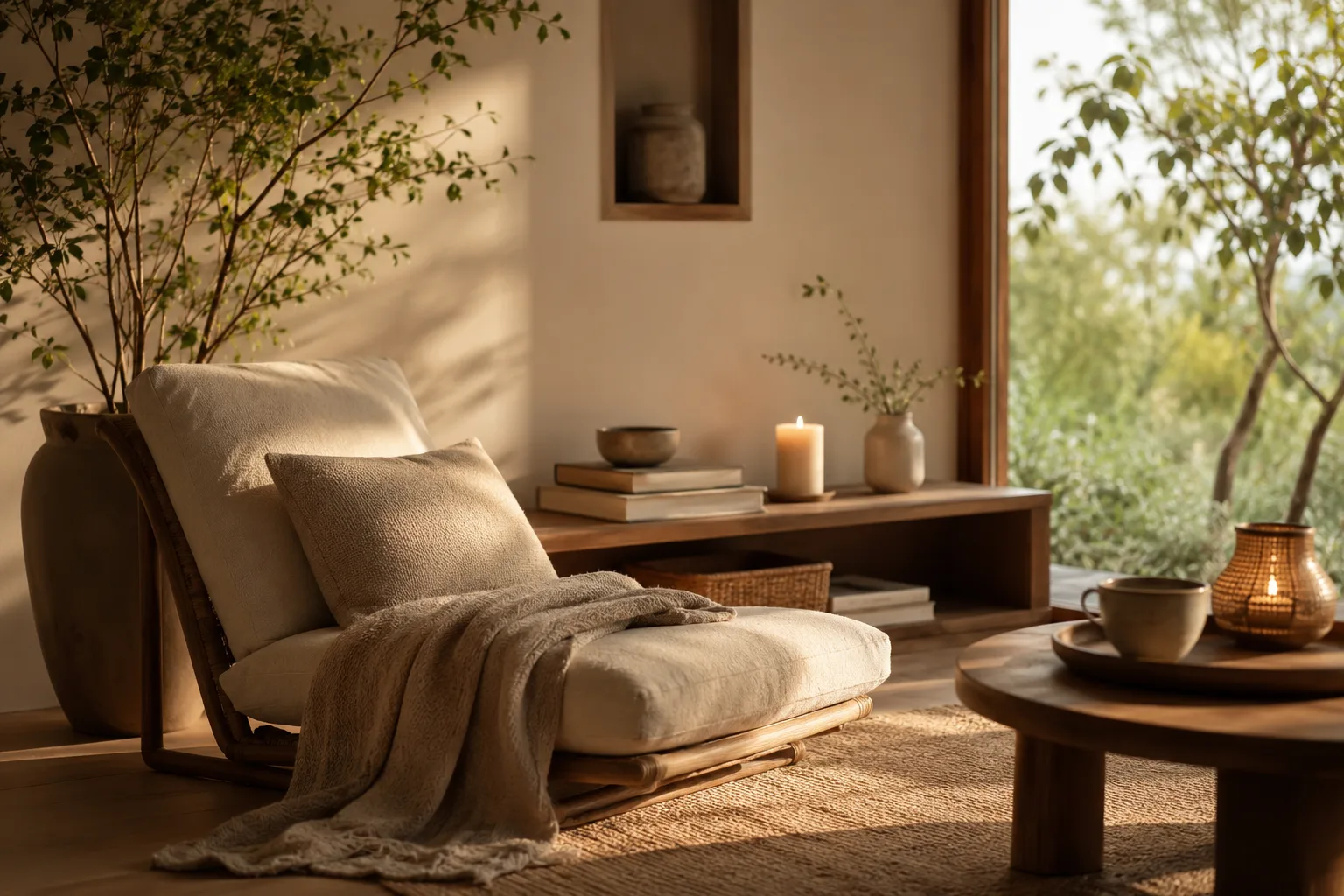
A ritual corner does not need to look like a wellness studio, and it definitely does not need to become another aesthetic project that creates pressure. In fact, the best version is often humble, personal, and slightly imperfect. It might be one chair near a window, one floor cushion beside a bookshelf, or one clear section of a bedroom where the eyes are not immediately hit by laundry, cables, or work notes. The point is to create a reliable zone for calm home rituals, not to build a showroom. When a space feels easy to use, it is more likely to become part of daily life instead of another abandoned self-care idea.
Start with what the body notices first: light, sound, texture, scent, and visual noise. Softer lighting can make a room feel less demanding, especially during early mornings and evenings when the nervous system is more sensitive to harsh brightness. A blanket with a comforting weight, a smooth ceramic cup, or a natural fiber rug can add grounding without turning the room into a shopping list. Scent should be subtle, because the goal is not to overwhelm the senses but to create a gentle cue for slowing down. Even the act of clearing one small surface can help the mind feel like there is finally room to exhale.
One useful approach is to choose only three items for the ritual space. For example, a lamp, a seat, and a small object that carries meaning may be enough. That object could be a stone from a trip, a notebook, a framed photo, a plant, or a bowl where you place your keys before sitting down. The limitation keeps the area from becoming cluttered and helps the ritual feel intentional rather than decorative. When fewer things are present, each one has a clearer role in shaping the atmosphere.
Let the Entryway Become a Transition Zone
The entryway is often treated as a practical drop zone, but it can become one of the most powerful places for inner stillness. It is the threshold between outside demands and inside recovery, which means it can either carry chaos into the home or soften the arrival. A small tray for keys, a hook for bags, and a habit of pausing before walking deeper into the room can make the transition feel more conscious. Instead of entering while still mentally answering messages or replaying the day, you create a moment of arrival. That moment may last only thirty seconds, but it tells the body that home is not just another arena for pressure.
This matters because stress often follows people through the door. Without a transition ritual, the nervous energy of traffic, work, errands, or social tension can spill directly into dinner, conversation, or rest. A calmer entryway does not need dramatic styling; it needs clarity and repetition. You might take off your shoes slowly, place your phone face down, wash your hands, and breathe before speaking or starting chores. Over time, that small sequence can become a quiet boundary between the world outside and the pace you want inside.
Inner Stillness Rituals for Morning, Noon, and Night
The most effective inner stillness rituals are not limited to one perfect meditation session. They can be scattered through the day like small anchors, each one helping the home support a different emotional need. Morning rituals can create direction, midday rituals can interrupt stress, and evening rituals can help the body release accumulated tension. This rhythm works especially well for people who struggle with long routines, because it treats calm as something flexible rather than something that requires an hour of uninterrupted silence. The home becomes a series of gentle invitations instead of a strict wellness schedule.
In the morning, stillness might begin before the phone enters the hand. Opening a curtain, drinking water slowly, sitting for a few breaths, or noticing the room before checking the outside world can change the tone of the day. This is not about rejecting technology completely, because most people live inside digital responsibilities that cannot simply disappear. It is about deciding that the first emotional input of the day does not have to be urgency. When a home supports this choice, mornings become less like a launch into pressure and more like a gradual return to attention.
During the middle of the day, especially for people working from home, a stillness ritual can prevent the room from becoming mentally stale. Standing by a window, stretching beside the desk, stepping onto a balcony, or making tea without multitasking can reset the senses. These actions are small, but they interrupt the blur that happens when hours pass inside the same screen-lit posture. A home that supports daily wellness rituals does not force productivity at every moment; it creates pauses that make better focus possible. The pause becomes part of the work, not a guilty escape from it.
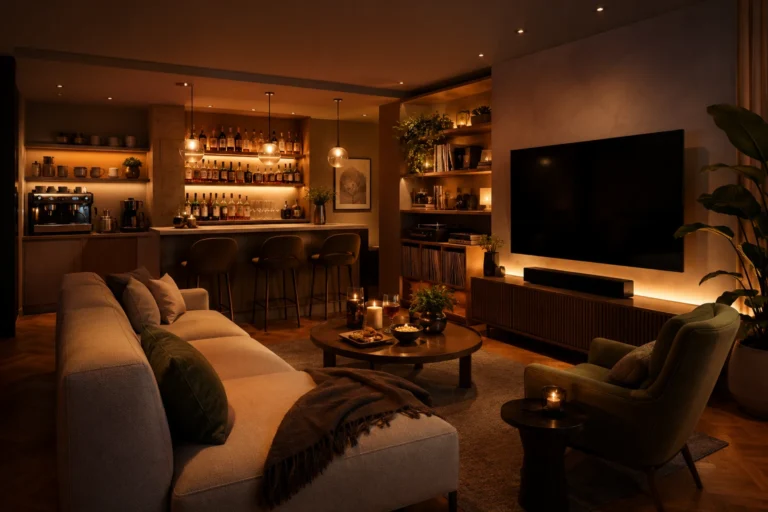
At night, inner stillness becomes less about preparing and more about releasing. Dimming lights earlier, lowering the volume of the room, folding a blanket, washing a cup, or writing down loose thoughts can tell the mind that it no longer needs to hold everything at once. Many people try to sleep while still mentally carrying unfinished tabs from the day, and the bedroom absorbs that tension. A simple closing ritual gives the day a soft ending, even when not everything is solved. That emotional closure can make a bedroom feel like a place of restoration instead of just the final stop after exhaustion.
Slow Living Makes Stillness Easier to Practice
Slow living often gets misunderstood as moving to the countryside, owning handmade ceramics, or having endless free time. In reality, it can be much more practical and urban than that. It is the decision to make fewer things feel frantic, even when life remains busy. Inside the home, slow living shows up through rituals that reduce rushing, soften transitions, and make everyday actions feel more deliberate. Washing dishes, making the bed, preparing breakfast, watering plants, or tidying a desk can become grounding when they are done with attention instead of resentment.
This does not mean romanticizing chores or pretending every domestic task is peaceful. Some days are messy, rushed, and emotionally crowded, and a calm home has to make room for that reality too. The power of slow living is that it gives ordinary actions a different emotional frame. Instead of seeing every task as another demand, you can use a few of them as moments to return to the present. That shift does not remove responsibility, but it makes responsibility feel less like a constant alarm ringing through the house.
A slow home is also less obsessed with instant transformation. It does not need to be completely redecorated every season or rebuilt around every trend. It grows through small choices that make daily life feel more aligned, such as placing a reading chair where the light is best or moving work supplies out of sight after office hours. These details may not look dramatic online, but they change how the space functions emotionally. A calm home is often built through noticing, adjusting, and repeating rather than buying, replacing, and chasing.
The New Meaning of Better Everyday Spaces
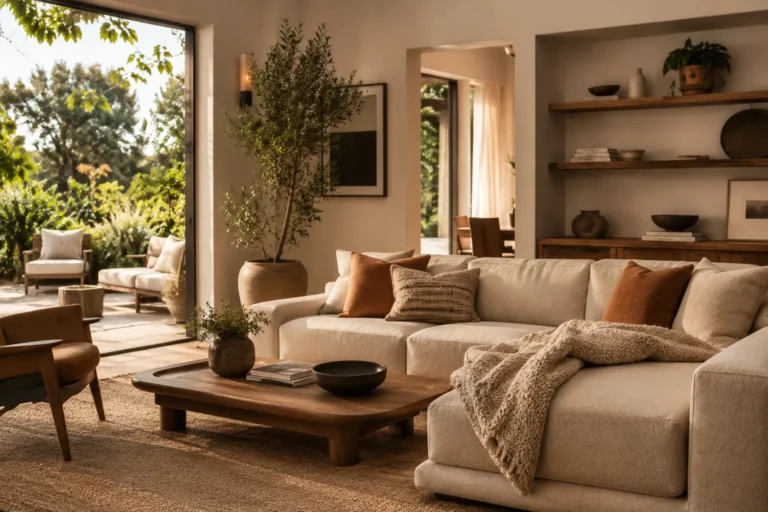
The phrase better everyday spaces sounds simple, but it carries a big cultural change. People are no longer only asking whether a room looks stylish; they are asking whether it supports the way they want to live when nobody else is there. A better kitchen might be one that makes slow breakfast easier, not just one with the trendiest cabinet color. A better bedroom might be one that protects sleep and privacy, not just one that photographs beautifully. A better living room might be one where conversation, reading, stretching, and quiet can coexist without the television dominating every mood.
This is why the future of home design feels more emotional than purely decorative. The most meaningful upgrades may be invisible in a before-and-after photo, because they involve rhythm, boundaries, and sensory ease. Moving a chair away from a cluttered wall, creating a phone-free shelf, or making space for an evening stretch can have more impact than another decorative purchase. These choices support a lifestyle where the home becomes a gentle structure for attention. They also remind us that wellness does not have to be separated from ordinary living; it can be woven directly into the rooms we already use.
The focus on everyday spaces also makes calm more accessible. Not everyone has room for a dedicated meditation room, a home gym, or a spa-like bathroom. But many people can create one calming shelf, one quieter morning habit, one more intentional corner, or one evening reset. The beauty of mindful home design is that it works through small adjustments that respect real life. Instead of waiting for the perfect home, people can start making the current one feel more supportive today.
Why Clutter Feels Louder Than It Looks
Clutter is not only a visual issue; it is often an emotional signal. A pile of papers can remind you of unpaid bills, delayed decisions, or tasks you have been avoiding. A crowded nightstand can turn sleep into another place where the brain keeps scanning for unfinished business. This is why decluttering can feel calming even before a room looks professionally organized. The mind reads clear space as a form of permission, and that permission makes inner stillness easier to access.
However, the goal is not to strip the home of personality. A room with meaningful objects, books, art, and lived-in texture can still feel peaceful if those things are chosen and placed with care. The problem is not abundance by itself; the problem is when objects no longer have a role, a place, or an emotional reason to stay. A calm home allows memory and beauty to exist without letting them become noise. That balance is what separates warmth from overload.
Building Human Connection Through Stillness
Inner stillness may sound personal, but it can also improve the way people share a home. When one person is constantly overstimulated, every small conflict can feel larger than it is. A calmer domestic rhythm creates more room for patience, listening, and softer communication. This matters in families, shared apartments, couples, and even solo homes where the relationship with oneself can become tense under pressure. A home that supports stillness is not only quieter; it can also become kinder.
Shared rituals can be simple and low-pressure. Two people might drink tea together without screens, tidy the kitchen while music plays softly, or spend a few minutes sitting on a balcony at the end of the day. Families might create a slow Sunday breakfast, a quiet reading hour, or a small evening reset where everyone returns one thing to its place. These habits are not glamorous, but they build emotional familiarity. Over time, the home becomes a place where connection is practiced through ordinary moments instead of saved only for special occasions.
For people living alone, the ritual can be just as powerful. Solo stillness is not loneliness when it is chosen with care and supported by the environment. Lighting a lamp before dinner, setting a table even for one, or playing gentle music while cooking can turn solitude into presence. These details tell the mind that daily life is worth tending to, even without an audience. In that sense, slow living at home becomes a quiet form of self-respect.
Conclusion: A Calmer Home Starts Small
The calmest homes are not built in a single makeover, and they are not reserved for people with perfect schedules, large rooms, or endless budgets. They are shaped by repeated moments of care, attention, and emotional honesty. Inner stillness rituals work because they make peace practical, turning abstract wellness into something you can touch, repeat, and feel in the body. A chair, a window, a quiet entryway pause, a slower morning drink, or a softer evening light can become part of a larger story about how you want to live. When the home begins to hold those rituals, calm stops being something you chase outside yourself and starts becoming something you return to, one ordinary day at a time.