Calm Bedroom Design Is Beating Busy Decor
The bedroom used to be treated like a tiny showroom, a place where every corner needed a statement piece, every wall needed a visual moment, and every surface had to prove the owner had taste. But lately, the energy has shifted in a quieter direction, and calm bedroom design is becoming the answer for people who are tired before they even turn off the lights. The old idea of a “perfect bedroom” often pushed bold prints, layered accessories, oversized furniture, and dramatic color combinations that looked great in photos but felt mentally loud in real life. Now, more people are realizing that the most stylish bedroom might not be the one that shouts the loudest, but the one that helps the body exhale the moment the door closes. In a world where phones never stop glowing, work follows people home, and attention gets pulled in a hundred directions, the calm bedroom is not just a design trend; it is a quiet rebellion against visual overload.
That shift says a lot about how people want to live now, especially inside private spaces that are supposed to feel restorative rather than performative. Bedrooms are no longer just sleeping zones or aesthetic backdrops for social media; they are becoming emotional reset rooms where design has to work harder but look simpler. The best quiet bedrooms do not feel empty, cold, or unfinished, because calm does not mean boring when it is done with intention. Instead, they use softer palettes, better lighting, cleaner layouts, tactile materials, and fewer distractions to create a space that supports deeper rest. This is why calm bedroom design is beating the trend of overly busy decor, not because people suddenly dislike personality, but because they want personality that does not drain them.
Why Calm Bedroom Design Feels Right Now
The rise of calm bedroom design makes sense when you look at how modern life actually feels from morning to night. Most people spend their day surrounded by screens, notifications, open tabs, deadlines, traffic noise, and a constant stream of visual information that never really stops. By the time they walk into the bedroom, their nervous system is already carrying more than it should, even if they do not consciously notice it. A room filled with clashing colors, scattered objects, harsh lighting, and too many competing focal points can make that mental noise worse instead of easing it. A calmer bedroom gives the brain fewer things to process, which is exactly why this trend feels less like a style choice and more like a wellness decision.
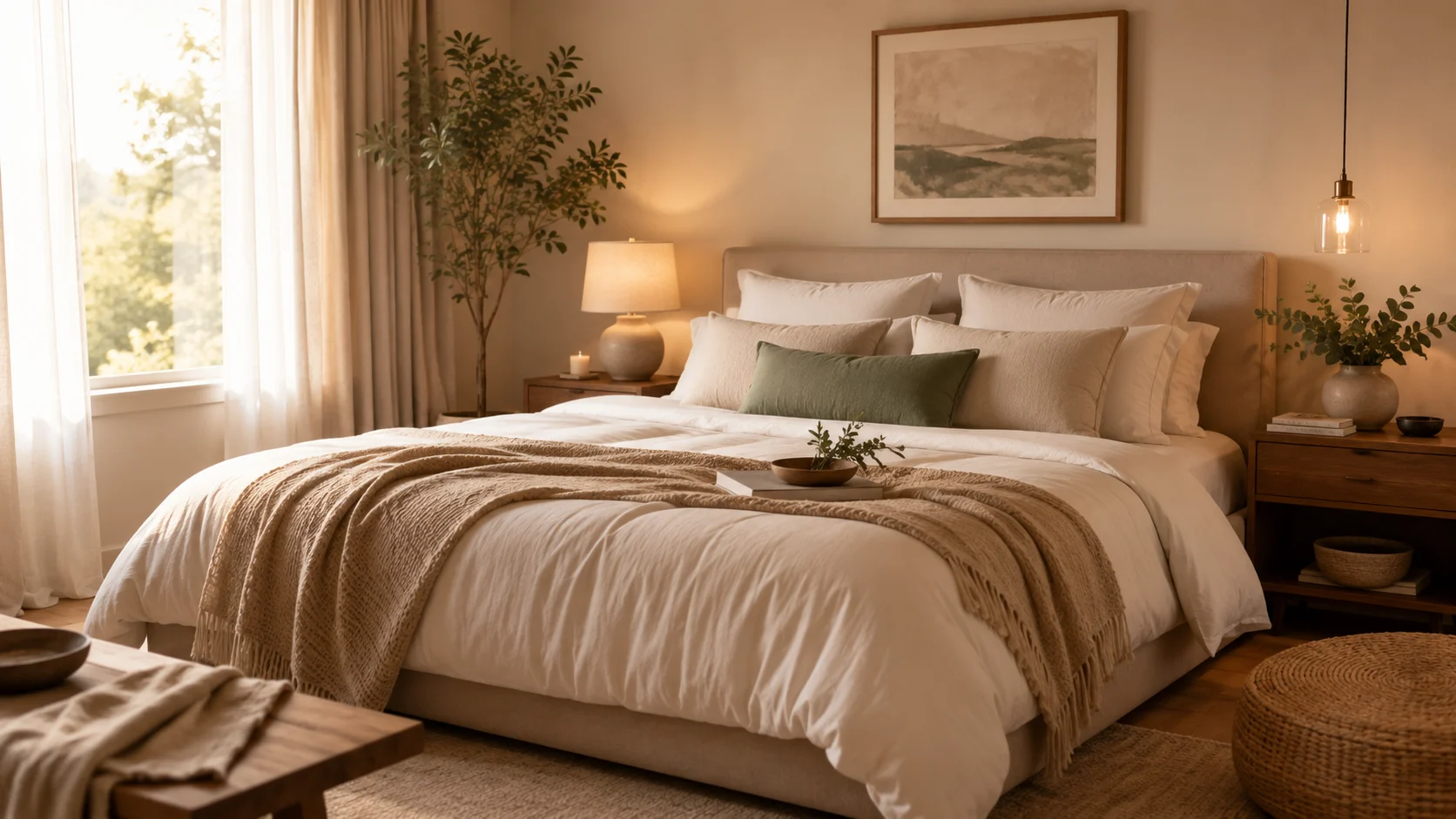
This does not mean every bedroom has to turn into a beige box with one candle and a linen duvet. The real appeal of a restful room is not about copying one minimalist look, but about creating a softer rhythm that fits the person who uses the space every day. For some, that means warm neutrals, natural wood, and low furniture that makes the room feel grounded. For others, it might mean muted blue walls, layered curtains, a vintage lamp, and a carefully edited shelf of books that feels personal without becoming chaotic. The key is that every piece has a purpose, every color has breathing room, and every detail contributes to the atmosphere rather than fighting for attention.
There is also a generational mood behind this move toward quieter bedrooms. Younger homeowners and renters have grown up in a culture where everything is optimized, photographed, ranked, and refreshed at speed, so the idea of a room that does not demand constant updates feels unexpectedly luxurious. A calm bedroom does not pressure people to chase every microtrend or replace decor every season just to stay current. Instead, it encourages slower decisions, more durable pieces, and a space that can evolve without losing its emotional center. That makes calm bedroom design especially aligned with slow living, because the room is built around feeling good over time, not just looking good for a week.
The Problem With Bedrooms That Feel Too Busy
Busy bedroom design often begins with good intentions, because people usually add things in an attempt to make the room feel more finished, cozy, or expressive. A patterned rug seems like a fun upgrade, then comes printed bedding, a gallery wall, open shelving, multiple side-table objects, accent cushions, a dramatic mirror, and maybe a bright chair in the corner. None of those items are bad on their own, but together they can create a room that never gives the eye a place to rest. The result is a bedroom that looks styled but feels restless, almost like it is still talking after the person inside it wants silence. Over time, that visual busyness can make the space feel less like a sanctuary and more like another task waiting to be managed.
The biggest issue with a visually loud bedroom is that it often hides practical discomfort behind decorative excitement. A bed may have too many pillows to move every night, a bedside table may look curated but have no space for a book or a glass of water, and wall art may create energy when the room needs softness. Even color can become a problem when every tone is fighting to be the main character instead of supporting a restful mood. Bedrooms are deeply sensory spaces, so what looks exciting during the day may feel overwhelming at midnight when the body is trying to settle. This is why the calm bedroom is winning, because it respects the function of the room instead of treating sleep as an afterthought.
Another problem with busy rooms is that they can make small spaces feel even smaller. Many modern bedrooms, especially in apartments and compact homes, already have limited square footage, awkward corners, or storage challenges. When too many objects are added, the room can start to feel visually compressed, which creates subtle tension even if everything is technically organized. Calm design opens the room back up by reducing visual friction and allowing negative space to become part of the composition. That empty space is not wasted; it is what lets the room feel breathable, intentional, and more comfortable to live in.
Calm Bedroom Design and the New Sleep Aesthetic
The new sleep aesthetic is not about chasing a single look, but about designing a bedroom that makes rest easier before the head even reaches the pillow. This is where calm bedroom design becomes more than decor, because every choice has a direct relationship with how the room feels at night. Soft lighting can tell the body it is time to slow down, while layered textures can make the bed feel inviting without making it visually heavy. A simple palette can lower the sense of mental clutter, and better storage can keep daily mess from becoming the first thing someone sees in the morning. When all these pieces work together, the bedroom becomes a gentle transition between the outside world and actual sleep.
One of the strongest parts of this trend is the move away from harsh, overhead-only lighting. A calm bedroom usually works better with multiple low light sources, such as bedside lamps, wall sconces, floor lamps, or warm bulbs that create a soft evening glow. This matters because lighting can change the entire emotional temperature of a room faster than almost any other design element. Even a beautifully decorated bedroom can feel stressful under cold, bright light, while a simple room can feel deeply peaceful with the right warmth and placement. The goal is not darkness all the time, but flexibility, so the space can support reading, winding down, getting dressed, and resting without one aggressive light setting controlling everything.
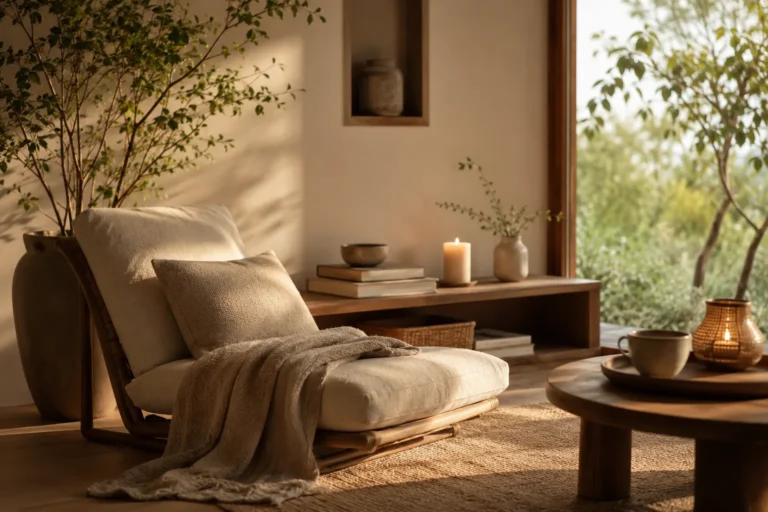
Texture also plays a major role in the new sleep aesthetic, especially because calm spaces need depth to avoid feeling flat. Linen, cotton, wool, boucle, cane, untreated wood, and softly woven rugs can add warmth without adding chaos. These materials bring visual interest in a quieter way, which helps the room feel layered but not loud. Instead of relying on bold patterns to create personality, a calm bedroom can use texture, shadow, and material contrast to build richness slowly. That is why a neutral bedroom with thoughtful materials can feel more sophisticated than a room packed with trend pieces that compete for attention.
Color Palettes That Help the Room Breathe
Color is often the first thing people think about when they want a calmer bedroom, and for good reason. A restful palette can change the way a room behaves emotionally, especially when the colors are chosen to support sleep rather than visual drama. Warm whites, soft taupes, muted greens, clay tones, dusty blues, pale grays, and gentle browns can all work beautifully when they are layered with care. The trick is not to remove color completely, but to lower the contrast so the room feels cohesive and easy on the eyes. When the walls, bedding, flooring, curtains, and furniture speak in related tones, the bedroom starts to feel like one calm composition instead of a collection of separate design choices.
Still, calm color does not have to mean safe color. A deep olive wall, a smoky blue headboard, or a warm terracotta throw can feel restful when the rest of the room is balanced around it. The difference between calm and busy is often about how many visual ideas are happening at once, not whether the room includes personality. A single saturated shade can create intimacy and depth, while five unrelated accent colors can make the space feel scattered. This is why the best calm bedrooms often feel edited rather than plain, because they choose a mood and stay loyal to it.
Why Quiet Bedrooms Fit Better Everyday Spaces
A bedroom is one of the most important better everyday spaces because it shapes the start and end of the day in ways people often underestimate. Waking up in a room that feels cluttered, harsh, or visually unfinished can set a tense tone before the day even begins. On the other hand, waking up in a room with soft light, clear surfaces, breathable storage, and a peaceful view can make daily routines feel more grounded. This does not require a luxury budget or a massive renovation, because many of the strongest calm-bedroom upgrades are about editing, rearranging, and choosing better habits around the space. A quieter bedroom works because it supports everyday life instead of asking everyday life to work around the decor.
The calm bedroom also fits the broader movement toward homes that feel emotionally intelligent. People are starting to ask better questions about their spaces, such as whether a room helps them recover, whether it makes chores easier, whether it supports the way they actually live, and whether it reflects their real needs. That shift is important because home design used to be judged mostly by appearance, while now the emotional experience matters just as much. A beautiful bedroom that makes someone feel anxious is not truly successful, even if it photographs well. A calm bedroom understands this and uses design to reduce friction, which is why it feels so relevant for modern living.
There is also a practical side to quiet bedrooms that makes them easier to maintain. Fewer decorative objects mean less dusting, fewer piles, fewer decisions, and fewer things to move when cleaning. A simpler bedding setup can make mornings smoother because the bed is easier to reset without turning the process into a tiny production. Better closed storage can reduce the visual stress of daily items while still keeping them accessible. These small practical details matter because a room that is hard to maintain will eventually stop feeling peaceful, no matter how beautiful it looked on day one.
How to Build a Restful Bedroom Without Making It Bland
The biggest fear people have about calm bedroom design is that it might erase personality. That fear is understandable, especially after years of seeing minimal rooms that looked more like rental listings than lived-in homes. But a restful bedroom does not need to be empty, sterile, or overly perfect. In fact, the most memorable calm bedrooms usually have a strong sense of identity, but that identity is expressed through fewer, better choices. The goal is not to remove the person from the room, but to remove the noise that keeps the person from enjoying it.
A good starting point is to choose one emotional direction before choosing products. The room might need to feel cocooning, airy, earthy, coastal, vintage, hotel-like, cabin-soft, or quietly romantic. Once that mood is clear, every design decision becomes easier because each item either supports the feeling or distracts from it. This approach prevents the common problem of buying beautiful things that do not belong together, which is one reason bedrooms become visually busy over time. When the mood comes first, the room can feel personal without becoming overloaded.
Artwork is a perfect example of how calm design can still carry character. Instead of a crowded gallery wall with several competing frames, one larger piece above the bed or a pair of quiet prints can create a more restful focal point. The artwork does not have to be neutral or generic, but it should match the room’s emotional rhythm. A moody landscape, abstract wash, soft photograph, or handmade textile can add depth without making the wall feel noisy. This gives the room a visual anchor while preserving the calm that makes the bedroom feel restorative.
Another way to avoid blandness is through meaningful objects rather than random styling. A ceramic bowl from a trip, a lamp inherited from family, a handmade quilt, or a small stack of books that actually get read will always feel warmer than accessories bought only to fill a gap. These details create intimacy because they connect the room to memory, not just trend cycles. The important part is giving those objects enough space to be noticed without surrounding them with clutter. In a calm bedroom, personality has room to breathe, which often makes it feel stronger rather than weaker.
The Power of Editing Before Buying
Before buying anything new, the best move is often to edit what is already in the bedroom. This means removing items that do not serve sleep, comfort, storage, beauty, or emotional meaning. It also means paying attention to surfaces, because nightstands, dressers, chairs, and window ledges can quickly become accidental storage zones. Once the room is edited, it becomes easier to see what is actually missing instead of shopping to cover the discomfort of clutter. In many cases, a bedroom feels calmer after subtraction, not because it has less style, but because its best details finally have space to show up.
This editing process can also reveal habits that are affecting the room more than the decor itself. A chair covered in laundry might not mean the room needs a new chair; it might mean the closet system is not working. A crowded nightstand might not mean the room needs a bigger table; it might mean the bedtime routine needs fewer objects within reach. A pile of books, chargers, skincare, receipts, and random cables can turn even a beautiful room into a mental checklist. Calm bedroom design works best when it solves these tiny daily pain points instead of hiding them under more decor.
The Wellness Impact of a Quieter Bedroom
The connection between bedroom design and wellness is not just about aesthetics, because the environment can influence mood, habits, and the way people transition into rest. A quieter bedroom can make it easier to build consistent rituals, whether that means reading before sleep, stretching, journaling, breathing, or simply putting the phone away earlier. When the room feels peaceful, those routines become more natural because the space is already supporting the behavior. A chaotic room, by contrast, can make even simple wellness habits feel like another task added to an already crowded day. This is why restful bedroom ideas are becoming part of a bigger conversation about home wellness, not just interior styling.
There is also something emotionally powerful about having one room that does not ask for performance. Living rooms often host guests, kitchens handle activity, home offices carry productivity pressure, and entryways collect the mess of daily movement. The bedroom can be different if it is designed with boundaries, softness, and intentional quiet. It can become the one space where the body is allowed to stop proving anything and simply recover. That emotional role matters, especially for people who feel overstimulated by work, social media, family responsibilities, or the constant pressure to stay available.
A calm bedroom can also support better mornings, which is an underrated part of wellness. The way a room looks when someone wakes up can influence whether the day begins with ease or irritation. If the first view is a cluttered floor, tangled cords, harsh light, and a stack of unfinished tasks, the mind may begin the day in problem-solving mode. If the first view is soft curtains, a clear surface, warm texture, and a room that feels cared for, the morning can feel more grounded. That small emotional difference can ripple into routines, focus, and even the patience someone brings into the rest of the day.
Calm Bedroom Design Beats the Algorithm Look
One reason calm bedroom design feels refreshing is that it pushes back against the algorithm-driven look of interiors. Online platforms often reward rooms that are immediately eye-catching, which can encourage dramatic contrast, oversized styling, and trend-heavy choices that photograph well in a quick scroll. But bedrooms are not meant to be experienced as thumbnails. They are meant to be lived in at 6 a.m., entered after a long day, and used during the quietest hours of a person’s life. The algorithm may love visual drama, but the body usually loves softness, order, warmth, and ease.
This does not mean bold bedrooms are wrong, because some people genuinely rest better in spaces with color, pattern, and expressive design. The difference is whether the room feels intentional or overstimulating. A bedroom with dark walls, patterned textiles, and vintage furniture can still feel calm if the palette is controlled, the lighting is gentle, and the layout has breathing room. Meanwhile, a pale bedroom can still feel chaotic if it is cluttered, poorly lit, and packed with mismatched objects. Calm is not a color scheme; it is the feeling created by the relationship between everything in the room.
The more people understand that difference, the less interested they become in copying loud decor just because it trends online. Instead, they start designing for their actual nervous system, their actual schedule, and their actual bedroom size. That is a more mature way to think about interiors because it moves beyond surface-level styling and into lived experience. It also makes room for homes that age better, since calm spaces are less likely to feel outdated after one trend cycle. In that sense, the quiet bedroom is not just beating busy decor right now; it may outlast it.
Small Changes That Make a Bedroom Feel Calmer
A calm bedroom does not always require new furniture or a full redesign, because the most effective changes are often surprisingly simple. Start with the bed, because it is the visual and emotional center of the room. Bedding that feels soft, breathable, and easy to reset can change the whole mood, especially when the colors work together instead of competing. Then look at the nightstands, because those surfaces tend to reveal whether the bedroom is truly restful or just decorated. A clear nightstand with one lamp, one book, and one personal object can feel more luxurious than a crowded surface filled with products, cords, and forgotten items.
Curtains can also make a huge difference because they soften both light and architecture. Even a basic bedroom can feel more finished when the window treatment adds height, texture, and privacy. If the room gets harsh morning or street light, layered window coverings can help the space feel more controlled and sleep-friendly. Rugs matter too, especially in rooms with hard flooring, because they add warmth underfoot and reduce the sharpness of sound. Together, these details create a sensory environment that feels calmer before any decorative styling even happens.
- Choose one main palette and repeat it softly across walls, bedding, curtains, and accents.
- Use warm, layered lighting instead of relying only on a bright ceiling fixture.
- Clear bedside surfaces so the last view at night feels simple and settled.
- Add texture through natural materials rather than adding too many patterns.
- Keep only meaningful decor visible and move practical clutter into closed storage.
These changes work because they focus on how the room feels during real life, not just how it appears in a styled image. A calm bedroom needs enough function to support daily routines and enough beauty to make the space feel cared for. It should be easy to enter, easy to use, easy to clean, and easy to reset when life gets busy. That balance is what separates a genuinely peaceful bedroom from one that only looks peaceful for a photo. When the room supports both mood and maintenance, calm becomes sustainable instead of temporary.
What This Trend Says About Modern Home Life
The popularity of calm bedroom design says something bigger about the future of home. People are becoming less impressed by spaces that only perform beauty and more interested in spaces that support better everyday living. The home is no longer just a place to store furniture and display style; it is a recovery system, a mood stabilizer, a productivity boundary, and a personal shelter from overstimulation. Bedrooms sit at the center of that shift because sleep is where wellness becomes real, not just aspirational. When the bedroom improves, the entire home can feel more balanced because the person living there has a better place to reset.
This trend also reflects a quieter kind of luxury. Luxury used to be associated with more: more furniture, more decoration, more statement pieces, more visible expense. Now, for many people, luxury means space, quiet, softness, good materials, natural light, storage that works, and a room that does not create stress. That kind of luxury can exist in a rented apartment, a small bedroom, a family home, or a renovated retreat. It depends less on square footage and more on intention, which makes it both more accessible and more emotionally meaningful.
There is also a sustainability angle hidden inside the calm bedroom movement. When people stop chasing every loud decor trend, they often buy less, choose better, and keep pieces longer. A timeless bed frame, a well-made lamp, breathable bedding, and a durable rug can outlast multiple waves of seasonal styling. This slower approach fits naturally with homes that feel more grounded and less disposable. In a culture that often pushes constant refreshes, choosing a bedroom that stays calm over time can be a small but powerful act of resistance.
Conclusion: The Quiet Bedroom Wins Because It Works
The reason calm bedroom design is beating busy decor is simple: it works for the way people actually live now. It helps the bedroom become a place of recovery instead of another visually demanding space. It makes small rooms feel more open, routines feel easier, sleep rituals feel more natural, and personal style feel more intentional. It proves that a room does not need to be loud to be beautiful, and it does not need to be empty to feel peaceful. The strongest bedrooms today are not trying to impress everyone at once; they are trying to care for the person who comes home to them every night.
That is why this shift feels deeper than a passing trend. A calm bedroom responds to exhaustion, overstimulation, digital noise, and the growing desire for homes that support emotional balance. It invites people to choose softness over chaos, editing over accumulation, and atmosphere over performance. Most importantly, it reminds us that the bedroom is not just another room to decorate, but a private space where the day begins, the day ends, and the body learns whether it is safe to rest. In that quiet truth, calm bedroom design does not just beat busy decor; it changes the entire meaning of a beautiful bedroom.