Brown Furniture Trend Makes Homes Feel Warmer
The brown furniture trend is quietly changing the mood of modern homes, and it is not arriving like a loud design comeback begging for attention. It feels more like a slow exhale after years of white rooms, gray sofas, sharp black accents, and spaces that looked clean but sometimes felt a little too cold to actually live in. Brown furniture brings back something many people did not realize they were missing: visual warmth, emotional grounding, and the kind of lived-in character that makes a room feel less staged and more human. Instead of chasing perfection, this shift leans into comfort, texture, patina, wood grain, leather, walnut, chocolate tones, and pieces that seem to carry a story. In a time when home has become a workspace, recovery zone, social corner, and personal shelter all at once, brown furniture is stepping back into the spotlight because people want rooms that feel steady, soulful, and deeply usable.
Why Brown Furniture Feels Fresh Again
For a long time, brown furniture was treated like the awkward relative of interior design, something people associated with heavy cabinets, outdated dining sets, and dark rooms from another decade. The modern design world moved toward pale woods, Scandinavian minimalism, white walls, and furniture that almost disappeared into the background. That look worked beautifully for many homes, especially smaller apartments that needed brightness and visual space, but it also created a sameness that started to feel predictable. Now, the return of brown furniture feels fresh because it offers contrast, depth, and a break from interiors that look too perfectly filtered. A walnut table, a vintage mahogany sideboard, or a caramel leather chair can instantly make a room feel more layered without making it feel messy.
The interesting thing about this comeback is that it does not feel like nostalgia for nostalgia’s sake. Younger homeowners, renters, and design-conscious creators are not simply copying their grandparents’ living rooms; they are editing the past through a softer, more modern lens. They are pairing darker wood with linen curtains, sculptural lamps, muted rugs, warm plaster walls, and organic shapes that make the furniture feel intentional instead of old-fashioned. Brown is also becoming less of a background color and more of a mood-setting element, especially in homes where people want their rooms to feel calm but not empty. This is why the brown furniture trend fits so naturally into today’s larger movement toward slower, warmer, and more emotionally aware interiors.
The Brown Furniture Trend and the Warmer Home
The biggest reason brown furniture works so well right now is simple: it makes a home feel warmer almost immediately. Brown sits close to the visual language of nature, so it reminds people of soil, bark, coffee, stone, aged leather, roasted nuts, and quiet cabins, even when the space is a city apartment with limited square footage. That natural association gives brown furniture a grounding quality that cool metals and stark white surfaces often cannot deliver on their own. When a room includes a rich wooden coffee table or a deep brown bookcase, the eye has something steady to rest on, and the space starts to feel more anchored. This sense of warmth is not only visual, because it also affects how people emotionally read a room the moment they walk in.
Design has always shaped behavior, even when people do not consciously notice it. A room filled with sharp contrasts and glossy finishes may feel energetic and clean, but it can also feel slightly restless if there is nothing soft or grounding to balance it. Brown furniture slows the room down because its tones are familiar, earthy, and less demanding than high-contrast black or bright white. That matters in a culture where many people are trying to make home feel like a place of recovery rather than another screen-ready performance zone. In this way, brown furniture connects naturally with home design ideas that prioritize comfort, rhythm, and emotional ease over visual perfection.
From Outdated to Intentional: The New Styling Rules
The old fear around brown furniture usually comes from the idea that it will make a room feel dark, heavy, or stuck in the past. That can happen when every large piece in a space is the same deep tone, especially if the room has poor lighting or too many bulky silhouettes. The new approach is different because it treats brown furniture as one part of a layered design story rather than the whole story. Instead of filling a room with matching sets, people are choosing one or two strong brown pieces and letting them create contrast against lighter materials. A dark wood credenza under a soft white wall, for example, can look modern, elegant, and relaxed without feeling dated.
The most current way to style brown furniture is to avoid making everything match too perfectly. Mixed wood tones are no longer seen as a mistake, because they can make a room feel collected over time rather than purchased in one afternoon. A medium oak floor can work with a walnut table, a darker antique chair, and a lighter rattan basket when the overall palette is balanced. The secret is to repeat warmth in small ways, such as through brass hardware, woven textures, cream upholstery, clay-toned ceramics, or art with earthy undertones. This gives the room a visual rhythm, so the brown furniture feels connected without making the design look forced.
Choose Shape Before Shade
When working with brown furniture, shape matters just as much as color. A dark brown sofa with a stiff frame and oversized arms can feel heavy, while a chocolate-toned sofa with soft curves, slim legs, and textured fabric can feel current and inviting. The same rule applies to wooden cabinets, tables, and chairs, because clean lines can make even darker finishes look fresh. Vintage pieces also benefit from this approach, especially when they have strong proportions, beautiful craftsmanship, or a silhouette that still feels relevant. Instead of asking whether a piece is brown, the better question is whether its shape adds ease, balance, and personality to the room.
This is where many people misunderstand the trend and either overdo it or avoid it completely. Brown furniture does not need to dominate the room to make an impact, and it does not need to be extremely dark to feel warm. A honey-brown chair, a smoked oak console, a mocha velvet bench, or a chestnut leather ottoman can all bring in the same emotional richness at different levels of intensity. The choice depends on the light, size, and mood of the room, not on a single rule that applies everywhere. In smaller spaces, lighter brown tones can create warmth without making the room feel compressed, while larger rooms can often handle deeper walnut or espresso pieces with confidence.
Why Gen Z and Millennials Are Into Brown Furniture
One of the most interesting parts of the brown furniture trend is that it is not only being driven by traditional homeowners. Younger renters and first-time decorators are also leaning into brown pieces because they feel more personal than flat-pack minimalism and more sustainable than constantly buying new trend furniture. A secondhand wooden dresser or vintage coffee table can carry character that mass-produced pieces often lack, and that matters to people who want their spaces to say something real about them. Thrifting, marketplace hunting, estate sales, and family hand-me-downs have made brown furniture feel accessible rather than exclusive. Instead of being a symbol of old taste, it has become a way to build a home with texture, history, and budget-conscious style.
There is also a cultural reason this shift makes sense. Many younger people are tired of interiors that look beautiful online but feel uncomfortable in daily life. They want rooms that can hold a laptop, a cup of tea, a stack of books, a sleepy weekend, a conversation, and a little imperfection without falling apart visually. Brown furniture supports that kind of living because scratches, grain, and age often make it more interesting rather than less attractive. In a world of smooth surfaces and temporary trends, a solid brown wood table feels refreshingly honest, almost like an object that does not need to prove itself.
Brown Furniture and the Slow Living Mindset
Slow living is often misunderstood as an aesthetic made of linen sheets, neutral mugs, and quiet morning routines, but at its core, it is about paying closer attention to how life actually feels. Brown furniture fits this mindset because it encourages people to choose pieces with staying power instead of chasing constant visual updates. A well-made wooden table can move through different apartments, different life stages, and different decorating phases without losing relevance. That kind of longevity feels important in a time when fast design cycles can make homes feel disposable. When someone chooses a brown furniture piece they genuinely love, they are often choosing patience, durability, and emotional connection over quick novelty.
The slow living connection also shows up in the way brown furniture changes the pace of a room. A space with natural wood, soft lighting, books, ceramics, textiles, and deeper earth tones tends to invite slower behavior. People may linger longer at dinner, read instead of scrolling, or feel more comfortable letting a room stay imperfect for a while. That does not mean the furniture magically creates a better life, but it can support the kind of atmosphere that makes slower choices easier. In that sense, warm interior design is not only about how a room looks; it is also about what the room gives permission for.
The Emotional Power of Wood Grain
Wood grain is one of the reasons brown furniture feels so emotionally different from many modern materials. It has movement, irregularity, and natural variation, which gives the eye something gentle and organic to follow. Even when a wood piece has a simple shape, the grain can make it feel alive in a quiet way. This matters because many contemporary homes are full of smooth screens, flat panels, and synthetic surfaces that do not offer much visual depth. A wooden cabinet, table, or chair can break that flatness and bring the room closer to the textures people instinctively associate with comfort.
There is also a subtle storytelling quality in wood that makes it different from trend-driven materials. A brown wooden table can show tiny marks from daily use, and those marks can become part of the home’s memory rather than something that needs to be hidden. This is especially appealing to people who are moving away from the idea that a home should always look untouched. Real homes have movement, spills, changing light, seasonal clutter, and objects that come and go. Brown furniture can absorb those layers with grace, which is why it feels so aligned with warmer, more human interiors.
How to Use Brown Furniture Without Making a Room Dark
The main challenge with brown furniture is balance, especially in homes that do not get much natural light. Darker pieces can look beautiful, but they need breathing room so they do not visually swallow the space. Light walls, sheer curtains, pale rugs, reflective accents, and layered lighting can keep the room open while still allowing brown furniture to add richness. It also helps to avoid placing several heavy brown items right next to each other, because that can create a dense block of color. Instead, spread warmth around the room in a way that feels intentional and relaxed.
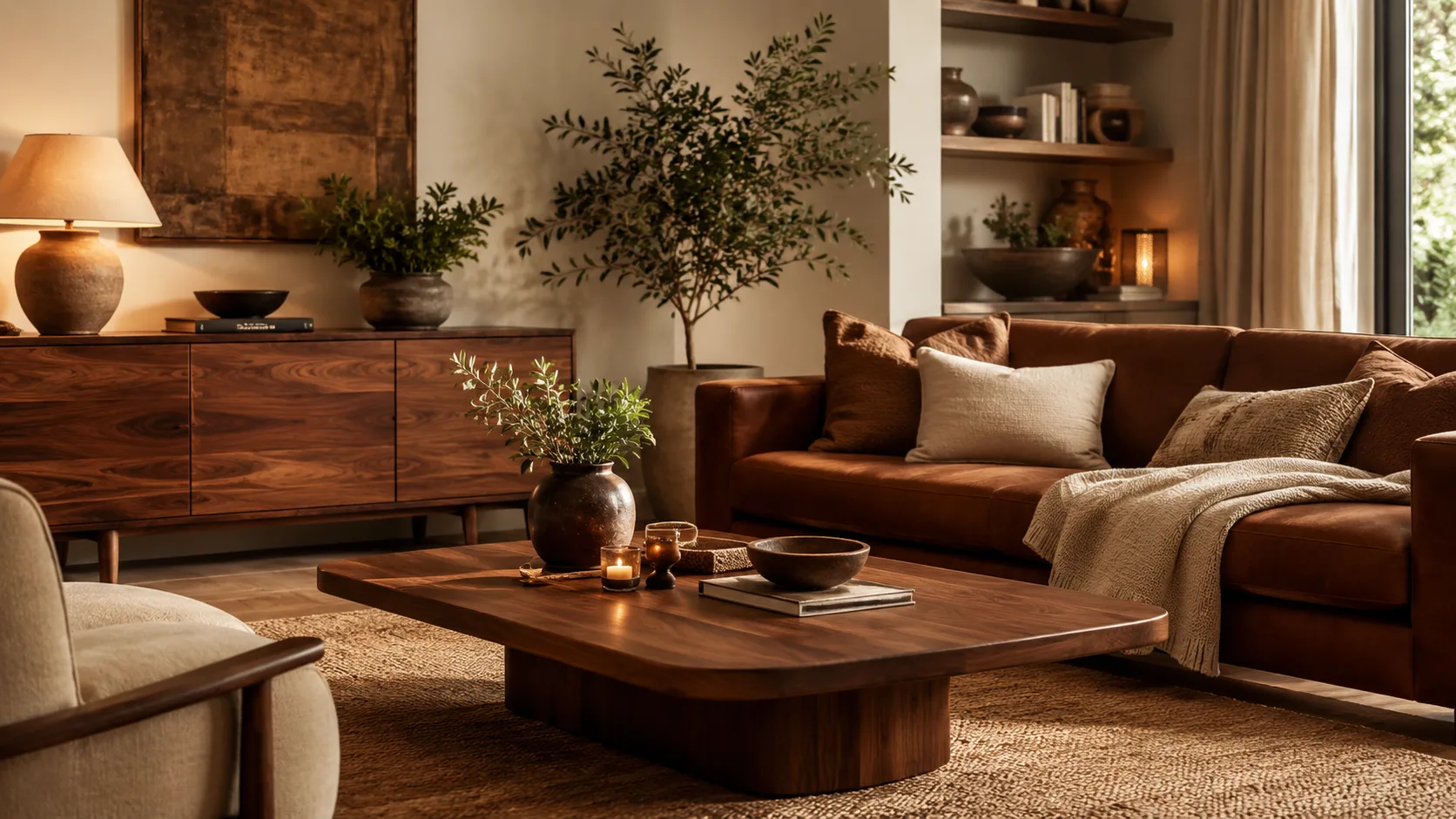
A good rule is to let brown furniture become the anchor rather than the entire palette. For example, a dark wood dining table can sit beautifully with upholstered chairs in cream, olive, rust, or soft gray. A brown leather sofa can feel lighter when paired with a textured neutral rug, a glass lamp, and artwork that pulls in warm but airy tones. A vintage wooden cabinet can become the soul of a room when placed against a simple wall with negative space around it. These combinations allow the furniture to feel confident without making the room feel visually crowded.
Lighting is especially important because brown changes dramatically depending on the light around it. Under harsh cool lighting, some brown pieces can look flat, muddy, or overly formal. Under warmer layered lighting, the same pieces can look rich, soft, and welcoming. This is why floor lamps, shaded table lamps, wall sconces, and dimmable bulbs can make such a difference when styling brown furniture. The right light brings out wood grain, softens shadows, and helps the whole room feel more like a place to settle into rather than simply look at.
The Best Colors to Pair With Brown Furniture
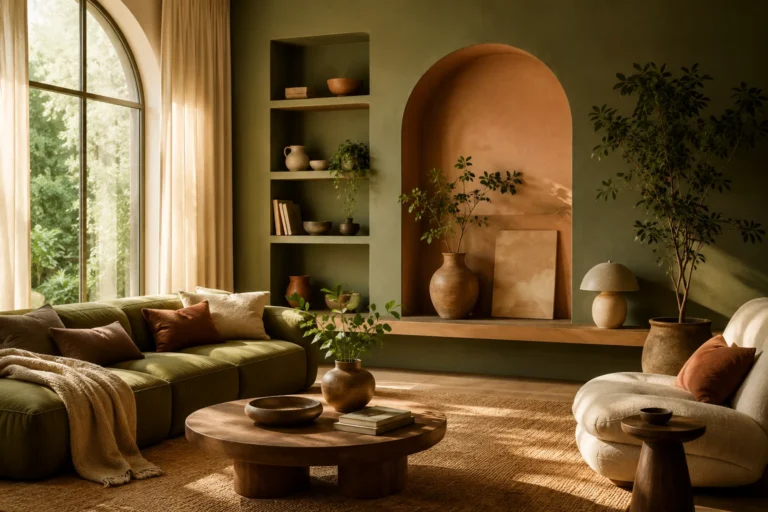
Brown furniture is more flexible than people often think, especially when it is treated as a natural neutral. It pairs beautifully with cream, ivory, oatmeal, beige, stone, taupe, and soft white because those shades let the warmth of the furniture come forward. For a more earthy mood, brown also works with olive green, terracotta, muted mustard, clay, rust, and dusty blue. These colors feel grounded without becoming flat, and they help a room look designed without feeling too coordinated. The goal is to create a palette that feels warm and layered, not one that looks like every object was chosen from the same color card.
For people who like a cleaner and more modern look, brown furniture can also pair well with black accents, but the balance needs to be careful. A black metal lamp, framed artwork, or slim table leg can sharpen a room and stop it from feeling too rustic. However, too much black beside too much dark brown can make a room feel heavy, especially if the space lacks natural light. The best version usually includes some softness between the two, such as a pale rug, woven shade, light upholstery, or a warm wall color. That middle layer keeps the room from becoming visually harsh and helps the brown furniture feel modern rather than severe.
Texture Makes the Trend Work
Texture is what keeps brown furniture from looking flat or overly traditional. A brown wooden table becomes more interesting when placed near linen, wool, cotton, ceramic, paper, rattan, stone, or boucle. These materials soften the hard edges of furniture and create the sensory richness that many people are craving in their homes. Texture also helps brown tones feel intentional because it breaks up the surface and gives the room more dimension. Without texture, a brown-heavy space can feel static, but with texture, it starts to feel calm, layered, and alive.
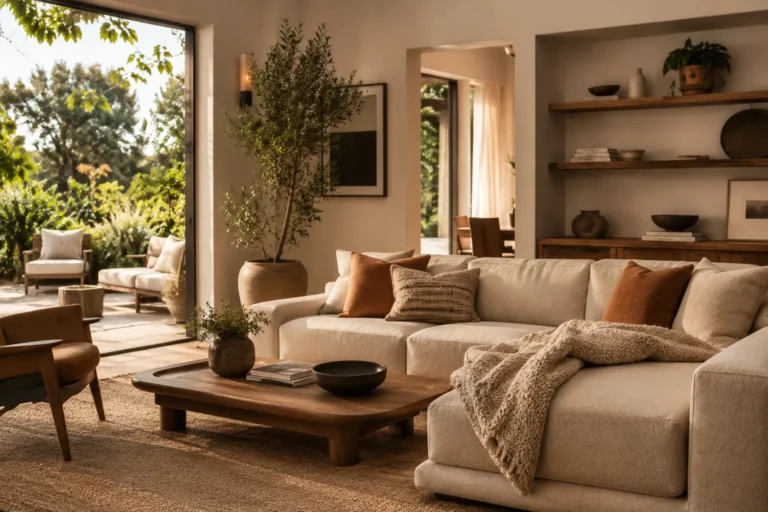
This is especially true in living rooms and bedrooms, where comfort matters as much as style. A brown dresser with a woven basket, a ceramic lamp, a linen runner, and a soft mirror frame will feel more current than the same dresser surrounded by glossy or overly matching decor. A brown sofa can feel inviting with nubby pillows, a chunky throw, and a rug that adds pattern without shouting. Even small details like wooden trays, amber glass, aged brass, or handmade bowls can support the look without turning the room into a theme. The best brown furniture spaces feel collected, not decorated to death.
Why Vintage Brown Furniture Is Having a Moment
Vintage brown furniture is becoming especially popular because it offers something newer pieces often struggle to recreate: believable character. A vintage sideboard, writing desk, dining chair, or wooden chest can instantly make a room feel less generic. These pieces also tend to be made with solid materials and details that give them a stronger presence than many lightweight contemporary options. For people decorating on a budget, vintage brown furniture can be a smarter investment because it often delivers quality, personality, and sustainability at the same time. The result is a home that feels more layered, even if the rest of the room is simple.
The trick is to style vintage pieces with enough contrast so they do not feel trapped in their original era. A dark antique table can look fresh with modern chairs, soft pendant lighting, and simple ceramics. A traditional wooden dresser can become bedroom-friendly when paired with relaxed bedding, clean artwork, and a mirror with a contemporary shape. A mid-century brown cabinet can feel timeless when placed in a room with warm neutrals and a few sculptural accessories. This mixing of eras is what makes brown furniture feel exciting again, because it creates homes that feel personal instead of showroom-perfect.
The Wellness Side of Warmer Interiors
Interior design is not a replacement for real wellness practices, but the way a home feels can absolutely influence daily mood. A warmer room can make people feel more settled, especially after long workdays, overstimulation, or too much time online. Brown furniture helps create that feeling because it reduces the visual chill that sometimes comes with ultra-minimal spaces. It also gives a room a sense of weight, which can feel reassuring when life outside the home feels fast or unpredictable. This is why the return of brown furniture is not only an aesthetic trend but also part of a bigger conversation about how people want to feel in their everyday spaces.
Many homes are now expected to do emotional labor they were never designed to handle. They must support focus, rest, exercise, hosting, solitude, family life, creativity, and recovery, often within the same few rooms. In that context, cold or overly sterile design can start to feel disconnected from real needs. Brown furniture answers that tension by making spaces feel more grounded and forgiving. When paired with soft lighting, natural materials, and thoughtful layouts, it can help create a home that feels less like a display and more like a place where people can actually breathe.
Small Ways to Try the Brown Furniture Trend
Not every home needs a dramatic furniture overhaul to join the trend. In fact, the most successful updates often begin with one piece that shifts the energy of the room. A brown side table, wooden bench, vintage stool, leather accent chair, or dark picture frame can introduce warmth without forcing a full redesign. This approach is useful for renters, small-space dwellers, or anyone who wants to test the look before committing to a larger purchase. It also keeps the room feeling natural because the change grows gradually instead of arriving all at once.
- Start with one anchor piece, such as a coffee table, cabinet, or chair.
- Balance darker brown tones with light textiles and soft wall colors.
- Mix wood finishes instead of relying on perfectly matched furniture sets.
- Add texture through rugs, curtains, ceramics, baskets, and warm lighting.
- Use vintage pieces carefully so the room feels collected, not outdated.
These small moves work because the trend is not really about copying a specific room from a design feed. It is about understanding why brown furniture feels good right now and then translating that feeling into your own space. Some homes may only need a wooden coffee table and warmer lamps to feel complete. Others may benefit from a larger statement piece, such as a walnut dining table or a chocolate sofa that becomes the center of the room. The best choice is the one that supports the way the home is actually used, because comfort should always guide the final decision.
The Impact on Everyday Spaces
The return of brown furniture also signals a larger change in how people think about everyday spaces. For years, many interiors were judged by how photogenic they looked from a single angle, but people are now paying more attention to how rooms perform across an entire day. Morning light, evening shadows, work calls, quiet meals, weekend rest, and spontaneous conversations all reveal whether a space actually supports life. Brown furniture tends to pass that test because it feels stable across different moods and moments. It can look polished when the room is clean, but it can also handle the casual reality of daily living.
This matters for websites and readers interested in wellness at home, because better everyday spaces are not always created through major renovations. Sometimes they come from choosing materials and colors that help a room feel less temporary. Brown furniture brings that sense of permanence, even in rentals or transitional homes. It can make a small dining corner feel more intentional, a bedroom feel more restful, or a living room feel more welcoming without changing the entire floor plan. In a subtle way, it reminds people that home design is not only about what is new, but also about what stays meaningful.
Conclusion: Brown Furniture Is Back Because Home Needs Warmth
The brown furniture trend is not just a comeback story about a color that disappeared and returned with better styling. It reflects a deeper shift toward homes that feel warmer, slower, more personal, and more connected to real life. Brown furniture works because it brings visual depth, natural texture, emotional grounding, and a sense of history into spaces that may have started to feel too clean or too temporary. It also adapts surprisingly well to modern interiors when paired with lighter tones, thoughtful lighting, mixed textures, and shapes that feel current. In the end, brown furniture is back because people are not only decorating their homes anymore; they are trying to make them feel like places where they can land, recover, and belong.