Wellness Home Design Becomes 2026’s Standard
The home used to be judged by how beautiful it looked in a photo, but 2026 is pushing a deeper question into the room: how does it make you feel when you actually live inside it? That shift is why wellness home design has moved from a niche luxury idea into a mainstream standard for people who want their everyday space to support rest, focus, movement, food habits, sleep, and emotional balance. The new dream home is not only a place with a polished kitchen, a cloud-like sofa, and a stylish bathroom mirror, because those details mean little if the space leaves its owner overstimulated, tired, or disconnected. Across interiors, real estate, renovation planning, and slow living culture, the language around home is becoming less about showing off and more about feeling regulated. In other words, the wellness home is no longer a fantasy reserved for spa resorts or high-budget retreats; it is becoming the blueprint for better everyday living.
Why Wellness Became the New Home Standard
The rise of wellness home design did not happen overnight, even if it feels like the trend suddenly appeared everywhere in 2026. For years, people slowly realized that their homes were doing more than holding furniture, storing clothes, and giving them a place to sleep after work. The pandemic era made that awareness louder, hybrid work made it more permanent, and the long stretch of digital burnout made people crave rooms that could lower the mental noise instead of adding to it. Now the home is being treated almost like a daily support system, where light, sound, air, texture, temperature, storage, and layout all play a role in how someone moves through the day. What changed in 2026 is that this idea is no longer just a wellness influencer phrase; it is becoming a practical design expectation.
The biggest reason behind the shift is that people are tired of homes that look perfect but feel exhausting. Open shelving can be beautiful, but it can also become visual clutter if every cup, bowl, and spice jar demands attention. Oversized rooms can look impressive, but they may feel cold if there is no softness, acoustic comfort, or natural rhythm in the layout. Bright white spaces can photograph well, but they may feel harsh during early mornings, late nights, or stressful workdays. In response, homeowners are asking for interiors that behave more gently, with warmer materials, layered lighting, calmer color palettes, and rooms that have an actual purpose beyond being content-ready.
This is also where the Gen Z and millennial lens changes the conversation, because younger homeowners and renters are less interested in traditional status symbols than older design markets often assumed. They are not rejecting beauty, but they are redefining it around comfort, nervous-system calm, practicality, and emotional honesty. A beautiful home in 2026 might include a meditation corner, a phone-free reading nook, a kitchen designed for simple meals, or a bedroom that actively protects sleep. It might also include secondhand furniture, imperfect ceramics, soft lighting, and a slower approach to buying things instead of filling every empty wall immediately. That mix of beauty and behavior is what makes wellness interiors feel so relevant right now.
The New Meaning of Luxury at Home
Luxury used to be easy to identify because it often arrived with shiny finishes, dramatic square footage, statement chandeliers, and materials that loudly announced their price. In 2026, luxury is becoming quieter, softer, and more personal, especially in homes shaped by wellness culture. A luxury home is now one where the bedroom is genuinely restful, the bathroom feels like a decompression zone, and the kitchen supports the way people actually eat rather than the way a magazine thinks they should entertain. Instead of buying more, people are beginning to edit better, which is why the phrase “living better” feels more relevant than “having more.” This does not mean homes are becoming plain; it means the most desirable details are the ones that improve the daily experience without constantly demanding attention.
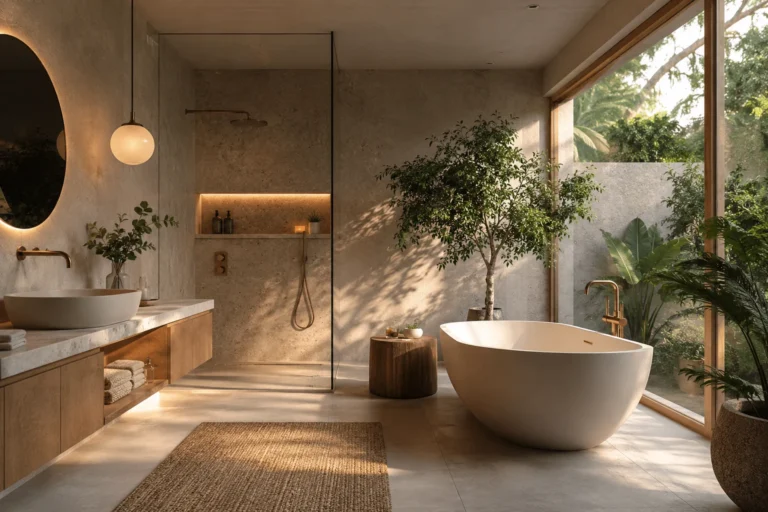
Think about the modern bathroom as one of the clearest examples of this shift. In older home design language, the bathroom upgrade was often about marble, double vanities, and a dramatic tub that might only get used once a month. In the 2026 wellness home, the bathroom is more likely to be discussed in terms of steam, lighting temperature, non-slip surfaces, better ventilation, filtered water, calming storage, and a shower routine that helps someone reset after a long day. This is where spa-like design becomes less about pretending every house is a resort and more about borrowing the rituals that actually improve everyday life. A bathroom does not need to be huge to feel restorative, but it does need to be intentional.
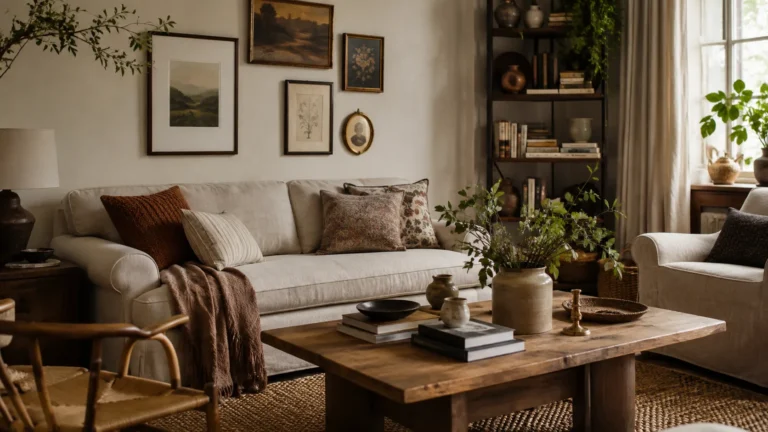
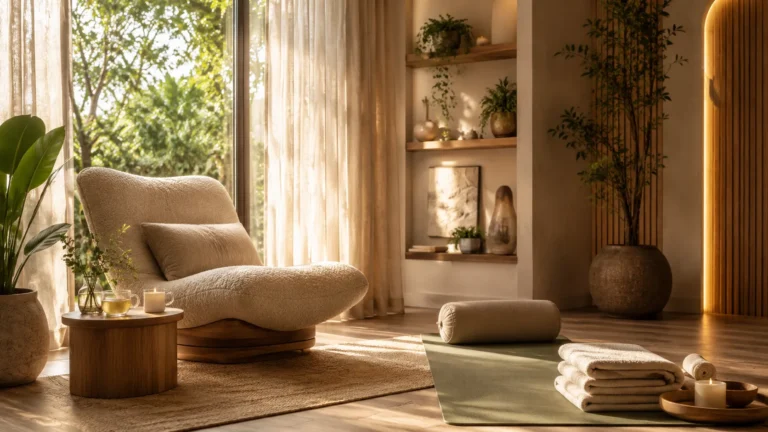
The same change is happening in living rooms, where the old goal of impressing guests is giving way to the newer goal of helping the household feel anchored. Sofas are getting deeper, fabrics are becoming more tactile, and seating plans are being shaped around real conversations rather than stiff symmetry. Soft neutrals, earthy tones, muted greens, warm browns, and layered creams are showing up because they make rooms feel lived-in instead of sterile. Lighting is also being treated as a design tool for mood, not just visibility, which is why table lamps, shaded sconces, dimmers, and indirect glow matter so much. In this new version of home luxury, the room succeeds when people want to stay in it longer.
Wellness Home Design and the Rise of Everyday Recovery
The most interesting part of wellness home design in 2026 is that it is not only about grand renovations or expensive smart systems. A lot of the movement is about everyday recovery, which means designing a home that helps people come down from the speed of modern life. The average person spends the day switching between tabs, messages, work tasks, errands, social feeds, and invisible emotional labor, so the home has to do more than look nice at the end of it. It needs to create transitions between stimulation and rest, between productivity and softness, and between public identity and private self. That is why quiet corners, better entryways, calming bedrooms, and intentional routines are becoming major design priorities.
The entryway is a small but powerful example because it shapes the first emotional moment of coming home. A cluttered doorway with shoes, bags, mail, random chargers, and half-open boxes can make the entire home feel chaotic before someone has even taken off their jacket. In contrast, a simple landing zone with closed storage, a tray for essentials, a bench, a mirror, and warm lighting can make the transition feel more controlled. This is not about perfection or minimalism as a performance, because real homes will always have objects, mess, and movement. It is about reducing friction so the body receives a clear signal that it can shift out of survival mode.
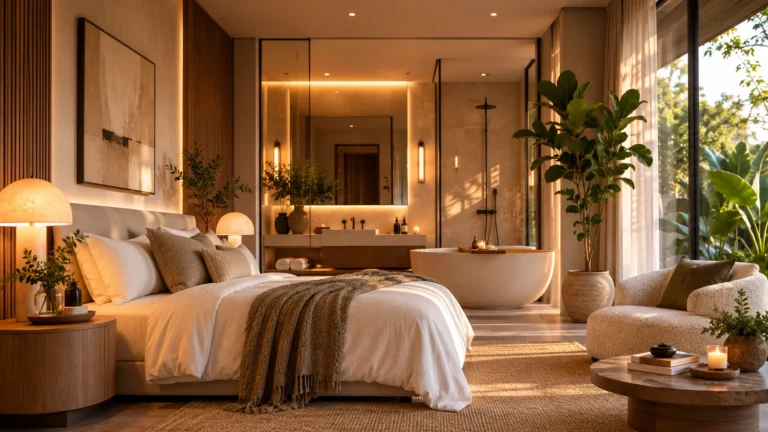
Bedrooms are becoming even more important as sleep health becomes a serious part of the home conversation. For a long time, people decorated bedrooms after finishing the more public areas of the house, which meant the most intimate room often got the least strategic attention. Now that pattern is changing, with more people investing in blackout curtains, breathable bedding, calmer colors, fewer devices, lower lighting, and layouts that make the room feel protected. The bedroom is being treated as a recovery tool, and that shift is reshaping everything from furniture placement to fabric choice. A truly restful bedroom in 2026 is not just pretty; it understands darkness, silence, air, temperature, and emotional softness.
Why the Kitchen Is Being Rewritten
The kitchen has long been called the heart of the home, but 2026 is complicating that phrase in a fascinating way. For some households, the kitchen is still the central gathering place, especially for families, hosts, and people who treat cooking as a creative ritual. For others, changing eating habits, wellness routines, smaller meals, supplements, meal prep, and health-focused storage are reshaping what the room needs to do. The kitchen is no longer judged only by whether it can stage a perfect dinner party; it is increasingly judged by whether it supports a realistic daily rhythm. That makes the modern wellness kitchen more personal, more organized, and more connected to the body.
This does not mean the kitchen is becoming less important, because food still carries emotional, social, and cultural weight inside the home. What is changing is the fantasy around it, especially the idea that every kitchen must be a massive social stage with a dramatic island and restaurant-level performance energy. In a wellness-led home, the kitchen may need a hydration station, quieter appliances, better pantry visibility, cleaner prep zones, or a more flexible layout for lighter eating patterns. It may also need storage that reduces decision fatigue, because nothing kills a slow morning faster than digging through chaotic cabinets before breakfast. The best kitchens of 2026 are not necessarily the biggest; they are the ones that make healthy routines easier to repeat.
There is also a growing connection between kitchen design and emotional ease, which is often overlooked in trend conversations. A kitchen with poor lighting, awkward circulation, and cluttered counters can make cooking feel like another task on an already crowded list. A kitchen with clear surfaces, natural materials, useful storage, and comfortable lighting can make even a basic meal feel more grounded. This is where home design trends meet real human behavior, because a room can gently encourage better habits when it removes the tiny obstacles that make those habits annoying. In 2026, the wellness kitchen is not trying to shame anyone into a perfect lifestyle; it is trying to make everyday care feel more accessible.
Slow Living Is Changing the Way People Decorate
The wellness home movement is deeply connected to slow living, especially the idea that a home should evolve with time rather than being rushed into a finished aesthetic. Fast decorating often creates rooms that look current for a season but feel disconnected from the person living there. Slow decorating, on the other hand, allows space for memory, texture, patience, and better decisions. It encourages people to choose pieces because they serve a need, carry meaning, age well, or bring real comfort, not because they match a trend cycle. That slower mindset is becoming one of the most important lifestyle shifts behind the design world in 2026.
One reason slow decorating feels so attractive right now is that people are increasingly aware of how exhausting constant consumption can be. Buying a new lamp, rug, table, or chair every time a micro-trend appears may create quick excitement, but it rarely creates lasting satisfaction. The better alternative is a home that layers old and new, polished and imperfect, practical and sentimental. Vintage pieces, local craft, family objects, natural materials, and repaired furniture all support a more grounded sense of place. This approach also makes the home feel less like a showroom and more like a living archive of taste, time, and experience.
Slow living also changes the way people think about empty space, which might be one of the healthiest design lessons of the moment. An empty corner does not have to be filled immediately, and a blank wall does not have to be solved by the end of the weekend. Sometimes the best design choice is waiting until the right object, function, or feeling becomes clear. That patience can protect a home from visual overload and help the owner understand how the space actually wants to be used. For readers drawn to slow living home ideas, this mindset turns decorating into an ongoing relationship rather than a one-time shopping sprint.
Biophilic Design Gets More Practical
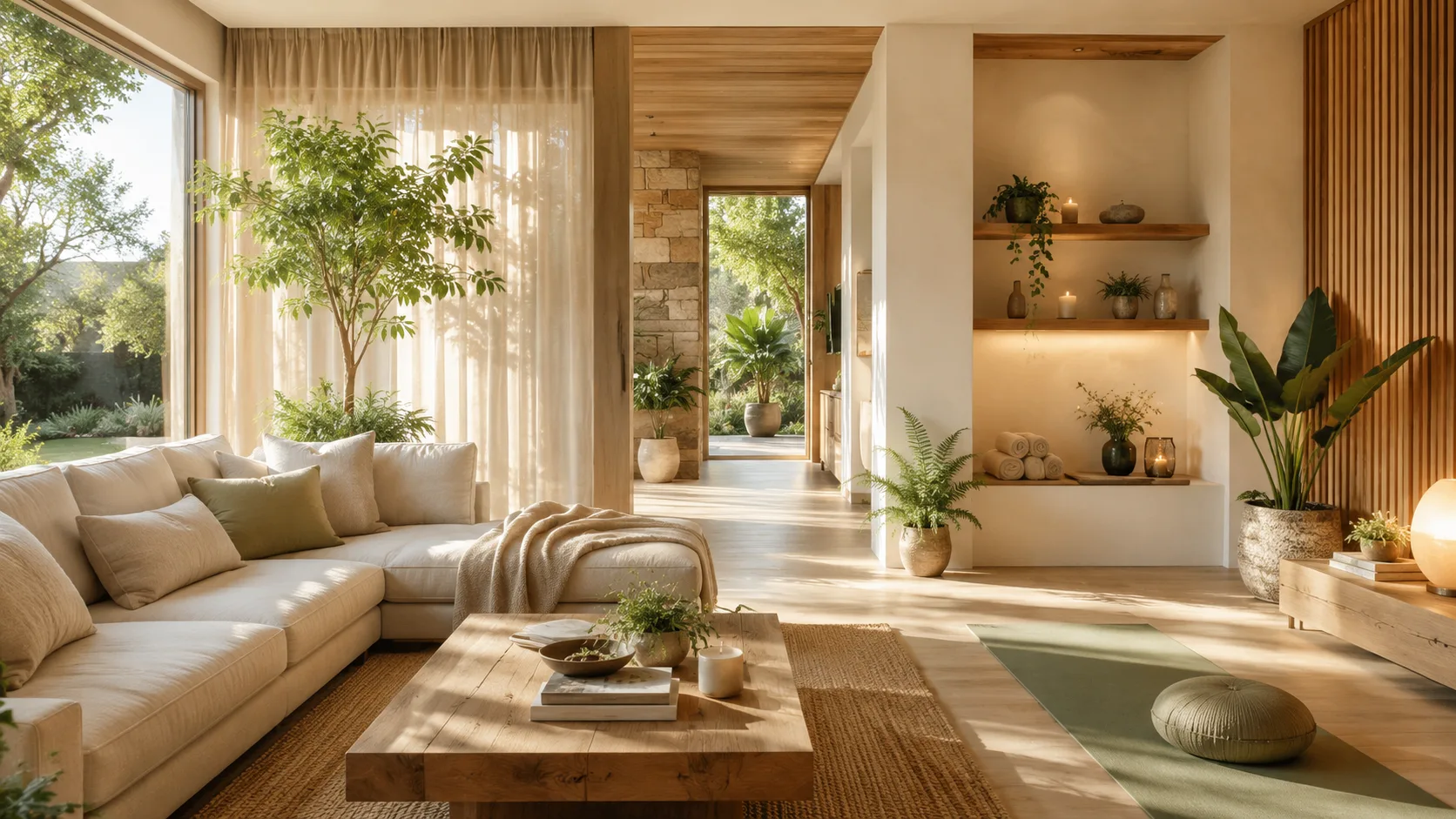
Biophilic design remains one of the strongest branches of the wellness home trend, but in 2026 it is becoming more practical and less decorative. The earlier version often meant adding plants, using green paint, or placing a few nature-inspired prints on the wall. Those choices can still help, but the deeper version of biophilic design looks at daylight, airflow, natural textures, views, materials, sound, and the emotional rhythm of a room. It asks whether the home helps people feel connected to the outside world instead of sealed off from it. That makes nature less of a theme and more of a system inside the space.
Natural light is one of the most important pieces of this system because it affects mood, alertness, and the sense of time passing through the day. A wellness home does not simply blast every room with brightness, because too much harsh light can feel as uncomfortable as too little. Instead, it uses curtains, blinds, window placement, mirrors, and layered lighting to shape the day in a more human way. Morning light can make a breakfast area feel energizing, while softer evening light can prepare the living room for rest. This is why lighting design is becoming one of the most valuable investments in better everyday spaces.
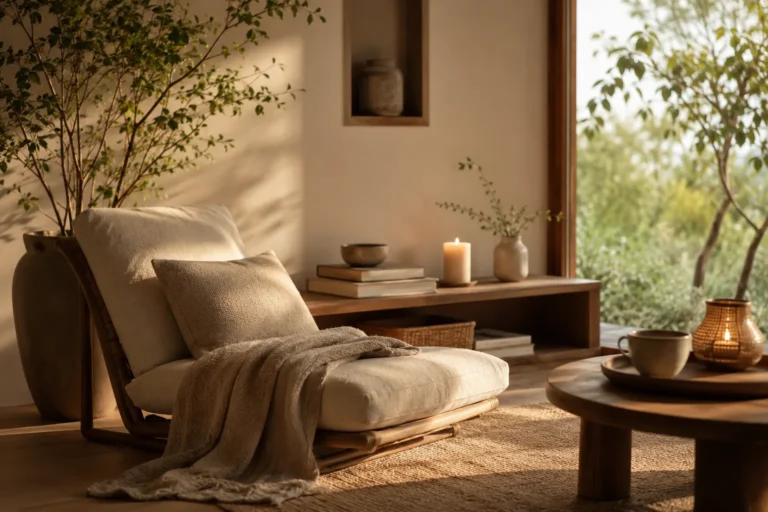
Materials matter too, especially as people move away from spaces that feel overly digital, cold, or synthetic. Wood, stone, linen, wool, clay, rattan, cork, plaster, and textured ceramics bring subtle sensory variety into the home. These materials do not need to be expensive to make a difference, because even small touches can change how a room feels to the hand and eye. A wooden stool beside a bathtub, a linen curtain moving in the breeze, or a stone tray on a nightstand can make a space feel more connected and less flat. In a wellness-led home, texture becomes a quiet form of emotional support.
The Tech Side of the Wellness Home
Technology has a complicated role in wellness home design, because the same devices that make life easier can also make the home feel overstimulating. In 2026, the strongest tech trend is not about filling every surface with screens or making every appliance talk louder. It is about invisible support, where smart lighting, air quality monitors, sleep-friendly temperature control, water filtration, and energy systems work in the background. The goal is to create a home that helps without constantly interrupting. Good wellness technology should feel less like a gadget showroom and more like a quiet assistant that respects the mood of the room.
Circadian lighting is a good example because it connects technology with the body’s natural rhythm. Instead of relying on one bright overhead light from morning until midnight, homeowners are paying more attention to lighting that shifts across the day. Cooler light can support focus during active hours, while warmer light can help the body wind down at night. This is especially useful in homes where people work remotely, study late, or live in climates where natural daylight is limited during certain seasons. The point is not to make the house futuristic; the point is to make the environment feel less hostile to human biology.
Air quality is another area where wellness homes are becoming more serious and less aesthetic-only. People are paying closer attention to ventilation, filtration, humidity, cooking fumes, cleaning products, mold prevention, and the materials used in furniture or paint. These choices may not always appear in an Instagram photo, but they shape how a home feels over time. A beautiful room with stale air, harsh chemicals, or poor ventilation cannot fully support wellbeing, no matter how stylish the sofa looks. This is why the next phase of wellness interiors will likely be measured by comfort and health performance as much as visual appeal.
Small Homes Can Join the Wellness Movement Too
One misconception about wellness homes is that they require a large budget, a custom build, or a sprawling property with a sauna and garden studio. That idea misses the most useful part of the movement, because wellness at home often begins with small, realistic changes. A renter can improve sleep by changing curtains, reducing bedroom clutter, and creating a better evening lighting routine. A small apartment can feel calmer with better storage, soft textiles, plants, fresh air habits, and a table that supports both meals and slow mornings. The standard is not perfection; it is whether the space supports the person more than it drains them.
In fact, compact homes sometimes make wellness design easier because every decision has a visible effect. When square footage is limited, clutter becomes more obvious, lighting matters more, and furniture has to earn its place. This encourages sharper choices and prevents the kind of design bloat that can make larger homes feel emotionally heavy. A small living room with a comfortable chair, warm lamp, natural rug, and clear circulation can feel more restorative than a huge room filled with furniture that nobody uses. The 2026 wellness standard is less about size and more about sensitivity.
Renters are also shaping this trend because many wellness upgrades are portable or reversible. Peel-and-stick window film, plug-in sconces, washable rugs, air purifiers, tension rods, modular storage, quality bedding, and secondhand wood furniture can make a temporary space feel more grounded. Even scent rituals, sound control, and morning sunlight routines can shift the emotional quality of a room without construction. This matters because wellness should not be locked behind ownership, renovation permits, or luxury budgets. A better everyday space can begin with one corner that finally feels calm enough to breathe in.
How Wellness Homes Affect Daily Behavior
The most powerful thing about wellness home design is that it can quietly change behavior without relying on pressure or discipline. A visible water station can encourage hydration, while a comfortable reading chair can make scrolling less automatic. A clear kitchen counter can make breakfast easier, while a calmer bedroom can make an earlier bedtime feel more natural. A small movement zone with a mat, mirror, and basket for equipment can remove the friction around stretching or home workouts. The home becomes an environment that nudges better choices instead of demanding a total lifestyle makeover.
This is where design becomes deeply human, because most people do not need a perfect routine as much as they need fewer obstacles. If the laundry has no landing place, it spreads into stress. If work supplies have no boundary, the living room starts to feel like an unfinished office. If the bedroom doubles as a charging station, entertainment hub, storage zone, and crisis desk, sleep becomes harder before the person even gets into bed. Wellness design notices these small breakdowns and responds with spaces that guide daily life more gently. The result is not dramatic at first, but over time it can change the rhythm of the whole household.
There is also a social dimension to the wellness home, especially as people rethink what it means to host. The old entertaining model often centered on performance, with spotless counters, formal layouts, and pressure to make everything look effortless. The new model feels more relaxed, with homes designed for tea on the sofa, casual dinners, shared cooking, quiet conversation, and guests who do not feel like they are disturbing a perfect display. This shift makes the home more emotionally generous because it values comfort over spectacle. In 2026, better everyday spaces are not just better for the owner; they can also make connection feel easier.
The Design Details That Matter Most in 2026
While wellness homes can look very different from one another, several design details keep appearing because they respond to real needs. Layered lighting is one of the most important, since it allows a room to shift from work to rest without feeling like the same environment all day. Closed storage is another major detail because it reduces visual noise and gives everyday objects a proper place to disappear. Natural textures matter because they add warmth and sensory depth, while flexible zones matter because modern homes often need to support work, rest, exercise, hobbies, and social life. Together, these details create rooms that feel less rigid and more responsive.
Color is also becoming more emotionally intelligent in 2026, with many homes moving toward palettes that feel grounded instead of flat. This does not mean every wellness home has to be beige, because calm can come from earthy greens, dusty blues, clay tones, muted plum, soft ochre, warm gray, and even deep brown. The key is choosing colors that support the room’s purpose rather than following a single trend. A bedroom may need softness, a kitchen may need freshness, and a workspace may need quiet focus. When color is chosen through feeling and function, it becomes more than decoration.
Acoustics are another underrated part of the wellness home, especially in apartments, family houses, and open-plan spaces. Hard surfaces, echoing rooms, and constant noise can make a home feel tense even when it looks organized. Rugs, curtains, upholstered furniture, bookshelves, wall hangings, and thoughtful room division can soften sound and create a greater sense of privacy. This is especially important for people who work from home or share space with family, roommates, or children. A room that sounds calmer often feels calmer, even before anyone notices why.
Conclusion: The Home Is Becoming a Healthier Partner
The rise of wellness home design in 2026 shows that people are no longer satisfied with spaces that only perform beauty from a distance. They want homes that help them sleep better, eat more intentionally, think more clearly, recover more deeply, and move through ordinary routines with less friction. This does not require every home to become a spa, a smart house, or a minimalist retreat, because the real standard is more personal than that. A wellness home can be colorful, vintage, compact, rented, luxurious, handmade, or still evolving, as long as it supports the life happening inside it. The future of home is not about escaping everyday life; it is about making everyday life feel better to inhabit.
That is why the wellness home is becoming the new standard rather than just another interior trend passing through the algorithm. It responds to the real pressures of modern living, from burnout and overstimulation to climate concerns, hybrid work, health awareness, and the desire for slower routines. It also gives people permission to design from the inside out, starting with how a room should feel before deciding how it should look. In a culture that often rewards speed, noise, and constant upgrades, the wellness home offers a quieter kind of progress. It reminds us that better spaces do not simply impress us; they take care of us, day after day.