
Handcrafted Interior Makes Home Feel Personal
The modern home is going through a quiet rebellion, and handcrafted interior is right at the center of it. After years of glossy sameness, algorithm-approved furniture, and rooms that looked ready for a showroom but not real life, people are starting to crave spaces with fingerprints, texture, and emotional weight. A handwoven rug, a carved wooden stool, a ceramic lamp with a slightly uneven glaze, or a patched linen cushion can say more about a person than a perfectly matched furniture set ever could. The shift is not just about decoration; it is about making the home feel like a memory bank, a shelter, and a daily reminder that beauty does not have to be flawless to feel valuable. In a culture that moves fast, scrolls faster, and replaces trends almost overnight, the return of handmade details feels like a softer, wiser way to design everyday life.
Why Handcrafted Interior Feels So Personal Now
The rise of handcrafted interior makes sense because people are no longer only decorating for visitors or social media feeds. They are designing for the way a room feels at 7 a.m. with coffee in hand, at 4 p.m. when the light hits the wall, and at midnight when the house finally goes quiet. Handmade pieces bring a kind of human presence into those moments because they carry small signs of touch, time, and choice. A mass-produced object can be beautiful, but a handcrafted object often feels like it has a story before it even enters the room. That story gives the home a sense of identity, which is exactly what many people feel is missing from interiors that look too polished, too copied, and too afraid of imperfection.
For a long time, the most popular version of a “good” home was edited down until almost nothing personal remained. Neutral walls, identical boucle chairs, pale wood tables, and hidden storage created calm, but they also made many spaces feel strangely anonymous. Now, the mood is shifting toward rooms that show evidence of taste, travel, family, craft, hobbies, and local culture. This does not mean clutter is back in a chaotic way, but it does mean people want homes that feel collected rather than downloaded. In that sense, handcrafted design is becoming a language for personality, where every basket, tile, textile, or handmade bowl becomes a quiet sentence about the person who lives there.
The Emotional Power of Handmade Objects
A handmade object often changes the emotional temperature of a room because it interrupts the flatness of perfection. When the edge of a ceramic plate is slightly irregular or the grain of a wooden bench refuses to look uniform, the piece feels alive in a way machine-made items rarely do. That kind of detail invites attention, and attention is one of the most underrated ingredients in a peaceful home. Instead of rushing past the object, the eye pauses for a second, notices the texture, and makes a connection. Over time, these small visual pauses can turn an ordinary room into a more grounded and emotionally satisfying space.
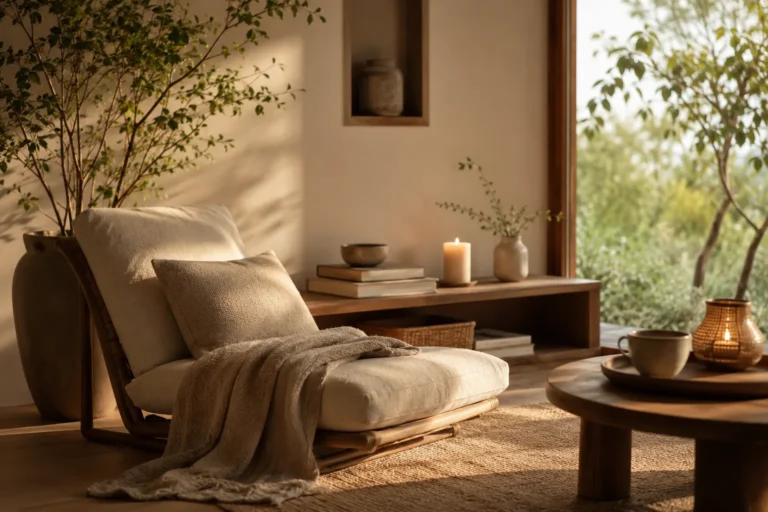
This is why handcrafted decor often works beautifully in homes built around slow living spaces. Slow living is not about making a home look rustic or old-fashioned, and it is not about rejecting modern comfort. It is about creating surroundings that help people become more present, less overstimulated, and more aware of the rituals that shape their day. Handmade interiors support that idea because they reward touch and attention rather than instant consumption. A hand-thrown mug, a woven wall hanging, or a naturally dyed blanket can turn basic routines into small rituals that feel more intentional.
Handcrafted Interior and the New Wellness Home
The wellness conversation at home used to focus mostly on air quality, natural light, ergonomic chairs, houseplants, and spaces for exercise or meditation. Those things still matter, but the newer version of wellness design goes deeper into emotional comfort, sensory balance, and personal meaning. A handcrafted interior supports wellness because it makes the home feel less like a product and more like an extension of the person living inside it. Texture, warmth, natural materials, and visible craftsmanship can soften the mood of a room without needing dramatic renovation. In a world where many people spend long hours indoors, that emotional softness can make the difference between a space that simply functions and a space that genuinely restores.
Wellness at home is also becoming less about buying one perfect item and more about building an atmosphere that supports real life. Handmade pieces help because they do not demand that the entire room follow one strict aesthetic rule. A carved side table can sit beside a modern sofa, a handmade quilt can warm up a minimal bedroom, and a hand-painted tile backsplash can make a simple kitchen feel layered and loved. These objects create a bridge between function and feeling, which is where the best home design usually lives. When a room supports both practical routines and emotional grounding, it becomes more than a backdrop; it becomes part of daily well-being.
From Perfect Minimalism to Personal Layers
The biggest design change happening now is not the death of minimalism, but the softening of it. People still appreciate clean lines, easy maintenance, and breathing room, but they are less interested in spaces that feel stripped of character. Instead of empty surfaces and identical neutrals, the more current look mixes restraint with personality. A room can still feel calm while having handmade ceramics on the shelf, an artisan textile over the sofa, and a framed print from a local maker on the wall. The goal is not to fill every corner, but to choose details that make the space feel inhabited by a real person with a real story.
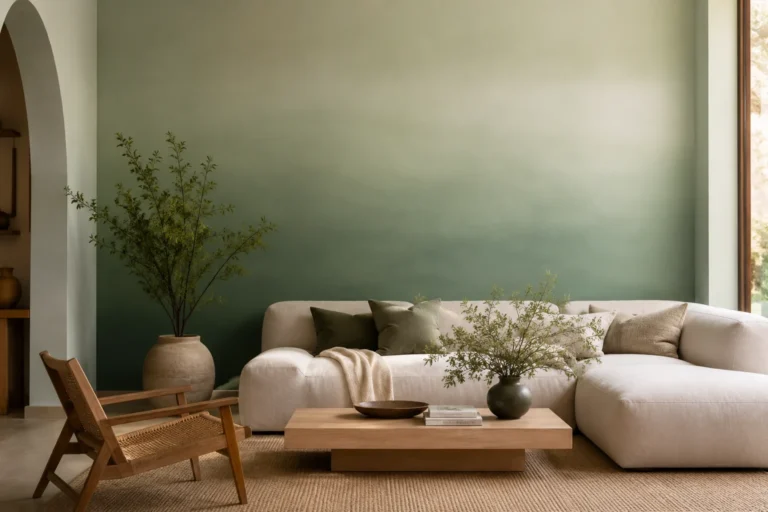
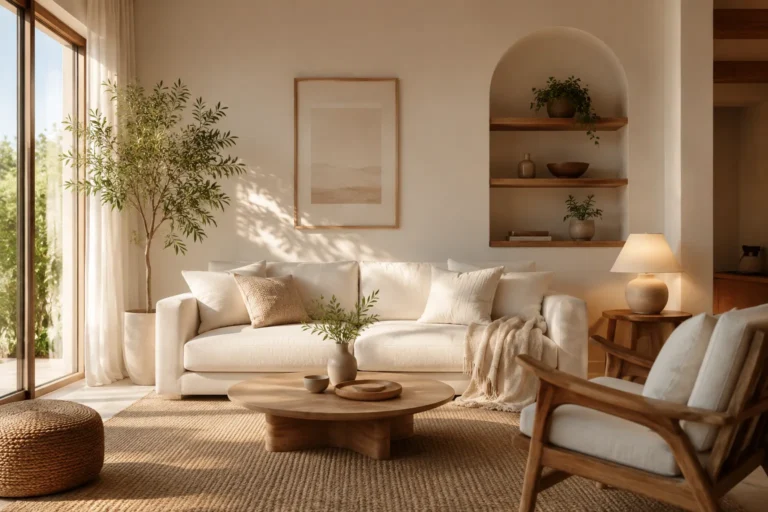
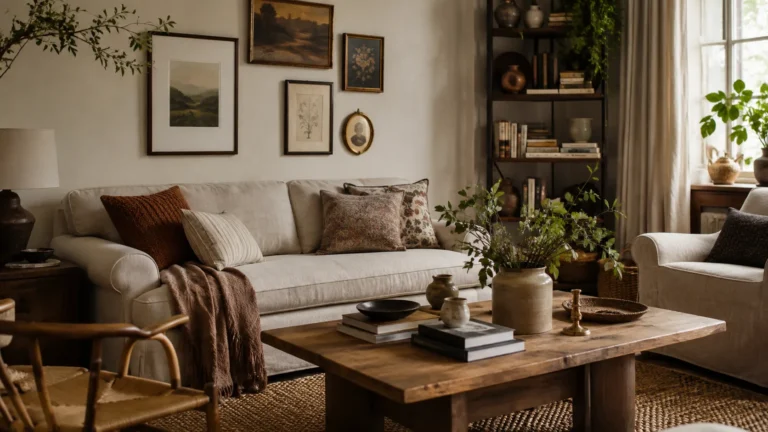
This is where handcrafted pieces become especially powerful because they create depth without creating noise. A handmade object often has texture, material honesty, and subtle variation, so it brings interest even when the color palette stays quiet. In a beige living room, a woven jute rug can add rhythm underfoot, while a hand-carved bowl can make a coffee table feel more grounded. In a white kitchen, handmade tiles can catch light differently throughout the day, adding movement without overwhelming the space. These details prove that personality does not always require loud color or maximalist styling; sometimes it only needs objects with soul.
Why Texture Matters More Than Ever
Texture has become one of the most important tools in modern interior design because it affects how a room feels before anyone even thinks about color or layout. Smooth plastic, flat laminate, and overly polished finishes can make a home feel visually clean, but they can also make it feel emotionally cold. Handmade materials bring a different kind of energy because they often reveal weaving, carving, stitching, glazing, hammering, or brushing. These visible marks of process help the eye understand that someone made the object, and that recognition creates warmth. In practical terms, texture also makes a room more forgiving, because natural variation hides wear better than surfaces that depend on perfect newness.
Texture also helps create sensory balance, which matters in homes filled with screens, hard surfaces, and constant digital noise. A woven throw over a reading chair can make the corner feel more inviting, while a handmade wooden tray can soften the sharpness of a glass table. Even small objects can change the way a room behaves, because the hand naturally wants to touch things that look tactile and honest. This is why handmade interiors often feel welcoming even when they are simple. They do not need to shout for attention, because their materials already speak in a quieter and more lasting way.
How Handcrafted Details Make Everyday Spaces Better
The beauty of handcrafted design is that it does not require a full home makeover to make an impact. In fact, the most believable interiors usually grow slowly, one thoughtful piece at a time. A handmade lamp can change the mood of a bedroom, a small ceramic dish can make an entryway feel intentional, and a woven basket can make daily storage look warm instead of purely practical. These changes work because they meet people where they already live, rather than asking them to rebuild their lives around a trend. A better everyday space is often created through small upgrades that make repeated routines feel more personal and less automatic.
In the living room, handcrafted pieces can help soften the social heart of the home. A handmade coffee table, a textured wall hanging, or a cluster of artisan candle holders can make the room feel less staged and more welcoming. In the bedroom, handwoven textiles and handmade bedside ceramics can create a slower, more comforting mood before sleep. In the kitchen, handmade bowls, cutting boards, tiles, and linen napkins can turn a practical workspace into a place that feels connected to care and nourishment. Across the home, these details quietly remind people that daily life deserves beauty, not just efficiency.
Small Pieces Can Carry Big Stories
One reason handcrafted objects feel so personal is that they often connect to a place, a maker, or a moment in someone’s life. A rug bought during a trip, a bowl made by a neighborhood ceramicist, or a chair restored by a family member can hold meaning far beyond its function. These objects become emotional anchors because they help the home remember where its owner has been and what they value. Even when a piece is newly purchased, knowing that it was made by hand gives it a different kind of presence. It feels less disposable, and that sense of permanence can make the entire room feel more settled.
This does not mean every item in a home needs a dramatic backstory. Sometimes the story is simply that someone chose the piece carefully instead of grabbing the fastest available option. That act of choosing matters because it makes design feel intentional rather than passive. A home becomes personal through hundreds of small decisions, and handcrafted pieces make those decisions more visible. Over time, the result is a space that feels layered, specific, and quietly confident, rather than one that could belong to anyone.
The Sustainability Angle Behind Handmade Design
Handcrafted interiors also connect naturally with a more sustainable way of thinking about the home. While not every handmade object is automatically sustainable, many handcrafted pieces encourage slower buying, longer use, and greater emotional attachment. People are less likely to throw away an item that feels special, repairable, or connected to a maker. This shift matters because home decor has become increasingly trend-driven, with cheap accessories moving quickly from online carts to forgotten corners. Choosing fewer, better, more meaningful pieces can reduce that cycle and make the home feel more responsible without turning design into a lecture.
Natural materials also play a big role in why handmade pieces feel aligned with better everyday living. Wood, clay, wool, cotton, linen, rattan, stone, and recycled glass tend to age in ways that can look beautiful rather than broken. A wooden table gains patina, a linen cushion softens, and a ceramic vase keeps its charm even when trends change. This is very different from decor that only looks good when it is brand new and untouched. When materials age gracefully, the home becomes less stressful because it does not need to be constantly refreshed to remain beautiful.
Where Craft Meets Modern Interior Design
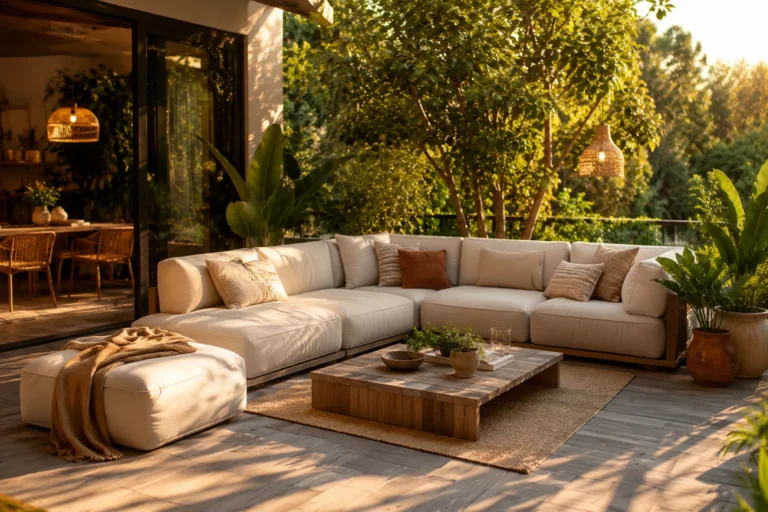
One of the best things about handcrafted interior style is that it does not belong to only one design category. It can work inside a modern apartment, a coastal home, a city studio, a farmhouse-inspired kitchen, or a quiet minimalist bedroom. The key is balance, because handmade pieces become stronger when they are allowed to breathe. A sculptural ceramic lamp can look incredible against a clean wall, while a woven bench can bring softness to a room with steel windows and polished floors. Instead of fighting modern design, craft can make it feel more human.
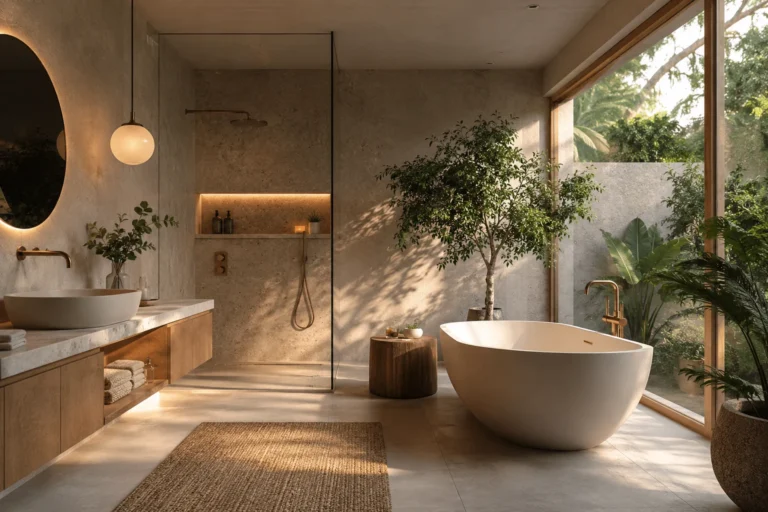
This balance is especially important for people who like contemporary interiors but do not want their homes to feel cold. Modern furniture often gives a room structure, while handmade objects bring warmth and emotional detail. A sleek sofa becomes more inviting with handwoven cushions, a streamlined dining room gains depth with handmade plates, and a simple bathroom becomes more memorable with artisan tile or a carved stool. The contrast between clean forms and organic craft can make both sides look better. That is why many of the most interesting homes now feel neither strictly modern nor fully traditional, but somewhere more personal in between.
The Role of Local Makers
Local makers are becoming more important in interior design because they give homes a stronger sense of place. A room filled only with global trend pieces can look nice, but it may not say anything about the city, region, or community around it. Locally made furniture, textiles, pottery, or art can bring that missing connection into the home. These pieces often reflect local materials, craft traditions, climate, and visual culture in subtle ways. When homeowners support local makers, they are not only buying decor; they are helping keep creative ecosystems alive.
Working with local craft also makes personalization easier because many makers offer custom sizes, finishes, colors, or small adjustments. This can be especially helpful for real homes that have awkward corners, unusual layouts, or specific daily needs. A custom shelf, bench, table, or textile can solve a practical problem while still feeling beautiful. That combination is central to thoughtful interior design, because the best spaces are not just styled for a photo; they are shaped around how people actually live. When craft meets function, the result is a room that feels both useful and emotionally rich.
How to Add Handcrafted Interior Without Overdoing It
The easiest mistake with handcrafted decor is turning the home into a theme rather than a lived-in space. Handmade pieces should feel collected, not forced, and they should support the room instead of competing for attention. A good starting point is to choose one or two areas where texture and personal detail would make the biggest difference. The living room, bedroom, kitchen, and entryway are often strong choices because they are used daily and influence the emotional tone of the home. Once those areas feel warmer, it becomes easier to add more craft slowly and naturally.
- Start with one tactile piece, such as a rug, throw, lamp, bowl, or stool.
- Mix handmade objects with clean-lined furniture so the room still feels balanced.
- Choose materials that match your lifestyle, not just your mood board.
- Let small imperfections show because they are part of the charm.
Color is another useful way to keep handcrafted interiors feeling cohesive. Handmade items often bring natural variation, so a simple palette can help the room stay calm even when textures are layered. Earth tones, warm neutrals, muted blues, soft greens, clay shades, and natural wood finishes tend to work well because they echo materials found in craft traditions. However, a personal home does not need to be quiet if the owner loves color; handmade textiles, painted ceramics, and folk-inspired patterns can bring energy without feeling generic. The most important thing is that the palette feels connected to the person living there, rather than copied from a trend cycle.
The Trend Impact: Homes Are Becoming More Human
The larger impact of this trend is that homes are becoming more human again. Instead of chasing a perfect look, more people are asking how a space supports their mood, routines, identity, and relationships. Handcrafted interiors answer that question by bringing irregularity, warmth, and emotional connection back into rooms that may have become too optimized. This matters because the home is no longer just a place to sleep after work; for many people, it is also an office, gym, retreat, creative studio, social space, and emotional reset zone. A home carrying that much responsibility needs more than pretty furniture; it needs layers that help people feel rooted.
This trend also challenges the idea that luxury must look expensive in an obvious way. A handmade clay pendant light, a handwoven blanket, or a locally built wooden table can feel more luxurious than a shiny object chosen only for status. The new luxury is not about showing that everything is perfect, but showing that everything was chosen with care. It values time, craft, uniqueness, and emotional resonance, which are harder to fake than a designer logo. In that sense, handcrafted design is less of a passing aesthetic and more of a response to how people want to live now.
Why Handcrafted Interior Will Outlast Fast Trends
Fast trends often fade because they depend on novelty, but handcrafted interior has a stronger foundation. It is rooted in material, process, culture, and personal meaning, which gives it more staying power than a viral color or a one-season furniture shape. Handmade pieces can move between homes, adapt to new rooms, and blend with changing styles because they are not locked into one narrow look. A ceramic vase can sit on a modern shelf today and a vintage console ten years from now. That flexibility makes craft a smart design choice for anyone who wants a home that evolves without needing constant replacement.
The appeal also lasts because handmade interiors age alongside the people who live with them. A mass-produced trend piece may feel dated once the internet moves on, but a handcrafted item often becomes more meaningful as it collects use and memory. Scratches, fading, softening, and patina can become part of the piece’s personality rather than signs that it should be replaced. This is exactly what many people want from their homes now: not perfection, but presence. A room that can age gracefully feels calmer because it gives permission for real life to happen.
Conclusion: A More Personal Way to Come Home
At its best, handcrafted interior is not about decorating with random artisan objects just because they look charming. It is about building a home that feels connected to touch, memory, daily rituals, and the quiet emotional needs people often ignore. Handmade pieces remind us that a room does not need to be flawless to feel beautiful, and a home does not need to follow every trend to feel current. What matters is whether the space feels honest, warm, and personal enough to support the life happening inside it. In a world obsessed with speed and sameness, a handcrafted home offers something more lasting: the feeling that every corner has been chosen, lived with, and loved.