Nature-Merged Exteriors for Calmer Homes
The first thing a home says is not always spoken through its furniture, floor plan, or perfectly styled coffee table. Often, it starts outside, where the walls meet the garden, the roofline touches the sky, and the front path quietly sets the emotional temperature before anyone opens the door. That is why nature-merged exteriors are becoming one of the most soothing ideas in modern home design, especially for people who want their everyday space to feel less rushed and more grounded. Instead of making a house look separate from its surroundings, this approach lets greenery, natural textures, earth-led colors, and organic shapes soften the entire facade. The result is not just a prettier exterior, but a calmer first impression that can shift how people feel the moment they arrive home.
Why Nature-Merged Exteriors Feel So Right Now
There is a reason this design mood is landing so strongly in the current home conversation. After years of sharp minimalism, fast visual trends, and picture-perfect interiors built for scrolling, many homeowners are craving spaces that feel slower, warmer, and less manufactured. A nature-merged exterior answers that craving by making the home feel connected to something older and steadier than the trend cycle. Instead of shouting for attention with loud cladding or overly polished finishes, it leans into quiet confidence through stone, wood, clay tones, climbing plants, soft landscaping, and colors that seem to belong to the land around them. This is where calm exterior design becomes more than a visual style, because it starts to feel like a lifestyle decision.
The appeal also comes from the way people now think about wellness at home. Wellness is no longer limited to a yoga corner, a scented candle, or a bathroom that looks like a spa. It has expanded into the daily experience of entering, seeing, touching, and moving through a space that does not constantly overload the senses. When the outside of a home looks harsh or disconnected from its setting, it can create a subtle tension before anyone even steps inside. When the exterior feels softened by nature, however, the home begins with a pause, and that pause matters in a world where most people are already carrying too much noise.
Nature-Merged Exteriors and the Psychology of Calm
Nature-merged exteriors work because humans respond instinctively to natural cues. A wall warmed by timber, a walkway framed by grasses, or a facade softened by vines can make a home feel less like an object placed on a lot and more like a living part of its environment. These details may sound simple, but they create a visual rhythm that the brain reads as familiar and safe. Hard edges become gentler when surrounded by planting, flat surfaces become more interesting when layered with texture, and strong architectural lines feel less cold when balanced with organic movement. In that sense, the exterior becomes an emotional filter between the outside world and the private life inside.
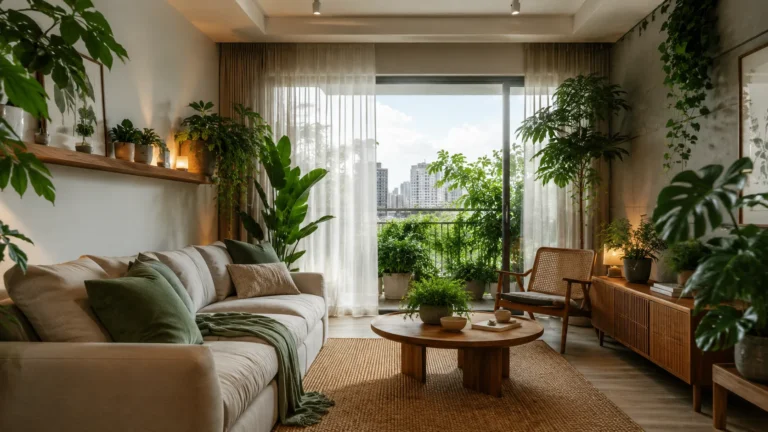
This is especially important for homes in busy neighborhoods, compact lots, or urban areas where nature can feel pushed to the edges. A small front garden, a shaded entry, a textured wall, or even a balcony wrapped with greenery can create a sense of relief in an otherwise built-up setting. The calming effect does not require a massive property or a dramatic countryside view. It depends more on intention, layering, and the feeling that the house is not fighting its surroundings. For readers following home design trends, this shift is a reminder that the most meaningful design updates are often the ones that make daily life feel easier, not just more photogenic.
The New Exterior Mood Is Softer, Warmer, and More Human
For a long time, modern exterior design was associated with crisp white walls, black-framed windows, exposed concrete, and very clean geometric shapes. Those elements can still look beautiful, but many homeowners are now looking for ways to make that modern language feel less sterile. The newer mood is still refined, but it is warmer and more human. It uses olive, moss, sand, taupe, charcoal, terracotta, mushroom, and weathered brown instead of stark contrasts that feel too sharp. By borrowing shades from soil, bark, stone, and leaves, a home instantly feels more settled into its place.
Materials are doing a lot of the emotional work here. Natural timber can make a flat facade feel inviting, while stone brings a grounded quality that manufactured panels often struggle to copy. Limewash, textured render, clay brick, and matte finishes can also help the exterior feel tactile rather than plastic-smooth. Even metal details can work beautifully when they are aged, muted, or softened by surrounding plants. The goal is not to make the house disappear, but to make it feel as though it has a conversation with the landscape instead of standing above it.
Color Choices That Blend Instead of Compete
Color is one of the easiest ways to move toward a nature-merged look without changing the entire structure of a home. A bright white facade can feel crisp, but it can also glare under sunlight and create a strong separation from surrounding greenery. Warmer neutrals, muted greens, clay tones, and deep earthy browns usually sit more comfortably in outdoor settings. These shades let plants, shadows, and natural light do part of the design work, which makes the whole exterior feel more relaxed. When chosen carefully, exterior color becomes less about making a statement and more about creating atmosphere.
The key is to look at what already exists around the home before choosing a palette. A house near dense trees may look beautiful in deep green-gray, soft black, or warm brown because those colors echo the shade and bark nearby. A home in a dry, sunlit area may feel calmer with sand, clay, pale olive, or dusty beige tones that connect to the ground. Coastal homes can lean into weathered wood, stone gray, chalky white, and muted blue-green without feeling overly themed. By observing the local environment first, the exterior color story becomes more authentic and less like a copied trend from somewhere else.
Landscaping Is No Longer Just Decoration
One of the biggest shifts behind nature-merged exteriors is the way landscaping is being treated as part of the architecture, not an afterthought. In older design thinking, a house was finished first and plants were added later to make the outside look complete. Now, the most calming homes often seem planned as one whole composition, where walls, paths, trees, grasses, and outdoor seating all belong to the same story. This makes the exterior feel layered and alive instead of flat and purely structural. When planting is integrated well, it can soften corners, guide movement, frame views, and make the home feel more private without relying on harsh barriers.
This does not mean every home needs an elaborate garden. In fact, overly manicured landscaping can sometimes work against the slow-living feeling because it looks high-maintenance and visually stiff. A calmer approach often uses native plants, ornamental grasses, shrubs with natural shapes, low-water planting, and trees that create gentle shade over time. The effect is more relaxed, more sustainable, and often easier to maintain once established. Instead of chasing a perfect garden, the homeowner is building a living exterior that changes through seasons and feels better because of that change.
The Power of a Softer Entrance
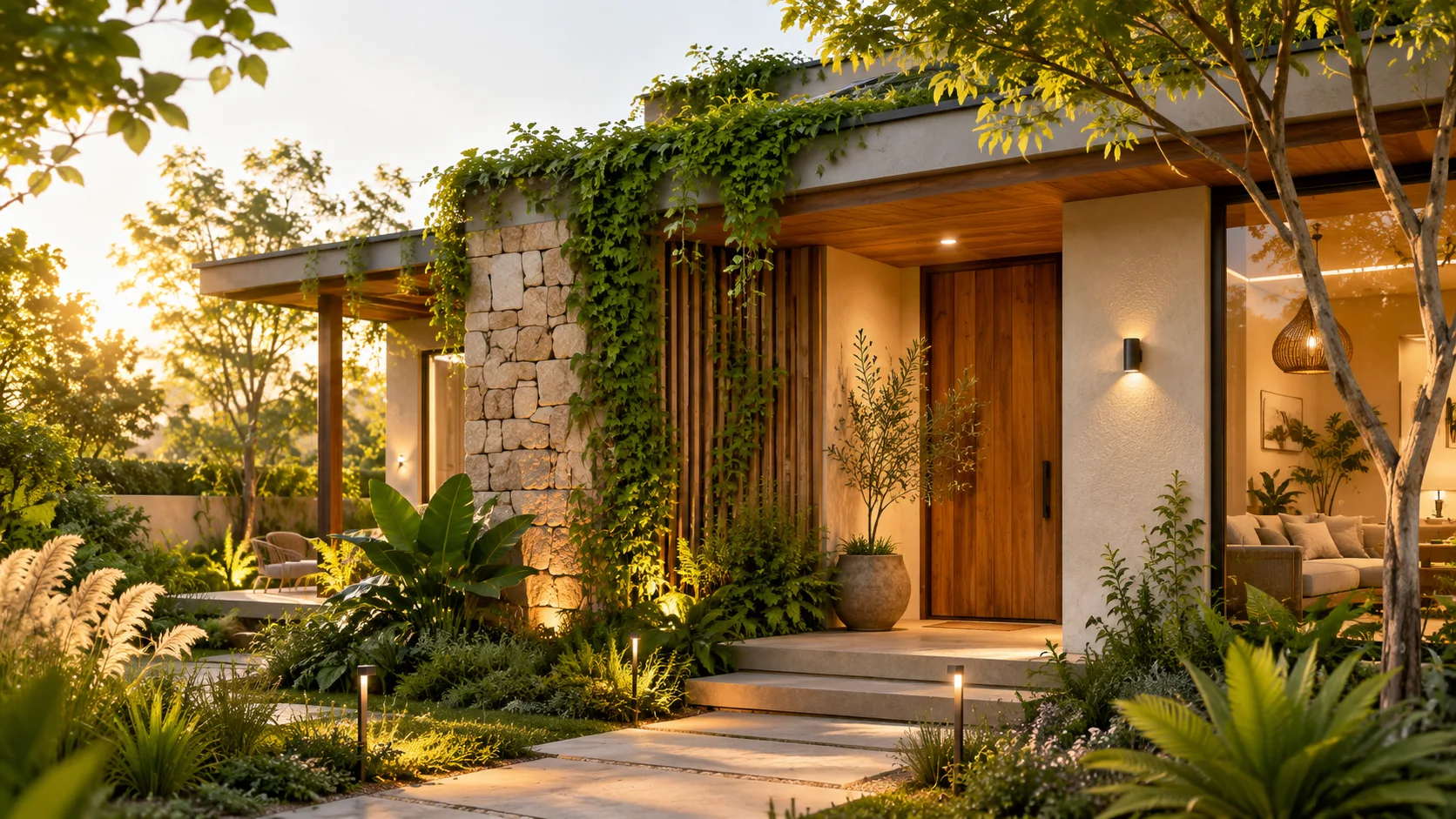
The entryway is one of the most important parts of a nature-merged exterior because it controls the emotional transition from public to private life. A bare front door facing the street can feel exposed, even if the house itself is beautiful. Add a planted path, a textured pot, a timber canopy, a small tree, or layered greenery near the doorway, and the whole experience becomes softer. The entrance begins to feel like a threshold rather than a hard stop. That small shift can make coming home feel more peaceful, especially after a stressful day outside.
A good calming entrance also avoids visual clutter. It does not need ten decorative objects or seasonal props fighting for attention. Instead, it benefits from a few strong choices that feel natural, durable, and easy to live with. A stone step, a wooden bench, soft lighting, and plants with movement can do more than a crowded porch full of trend-led accessories. In a slow-living home, the front entry should feel welcoming without performing too hard.
Texture Makes the Exterior Feel Alive
Texture is another reason nature-led exteriors feel so calming. Smooth surfaces can look elegant, but when everything is too flat and flawless, the home can start to feel distant. Natural textures create small imperfections that catch light differently throughout the day, giving the exterior a more human rhythm. Wood grain, stone variation, handmade brick, brushed metal, woven screens, gravel paths, and textured render all bring depth that changes with weather and time. These details make the house feel less like a sealed box and more like a place that can age gracefully.
This kind of texture also supports a more forgiving approach to design. A perfectly glossy exterior can show every mark, stain, or sign of age, which can make homeowners feel like they are constantly fighting maintenance. Natural materials often develop character instead of simply looking worn out. Weathered timber, patinated metal, and stone that darkens after rain can make the home feel even more connected to its surroundings. That is why organic home exteriors often feel more relaxed over time, because they are designed to live with change rather than resist it completely.
Outdoor Rooms Are Becoming Everyday Wellness Spaces
The nature-merged exterior trend is also reshaping the way people think about outdoor living. It is no longer only about a large backyard for entertaining or a patio that gets used a few times a year. More homeowners are treating outdoor areas as everyday wellness spaces that support small rituals, such as morning coffee, quiet reading, stretching, gardening, or simply sitting without a screen. This makes the exterior part of the home’s emotional function, not just its curb appeal. When an outdoor room feels connected to the architecture and landscape, it can become one of the most restorative areas of the entire property.
The best outdoor rooms usually do not feel overly staged. They use comfortable seating, shade, soft lighting, weather-friendly materials, and planting that creates privacy without making the space feel closed in. A small courtyard can feel just as powerful as a large terrace if it is designed with calm in mind. The goal is not to build an outdoor showroom, but to create a place that invites people to slow down. In this way, slow living home design becomes practical, because it gives people real spaces where slower habits can actually happen.
Blurring the Line Between Inside and Outside
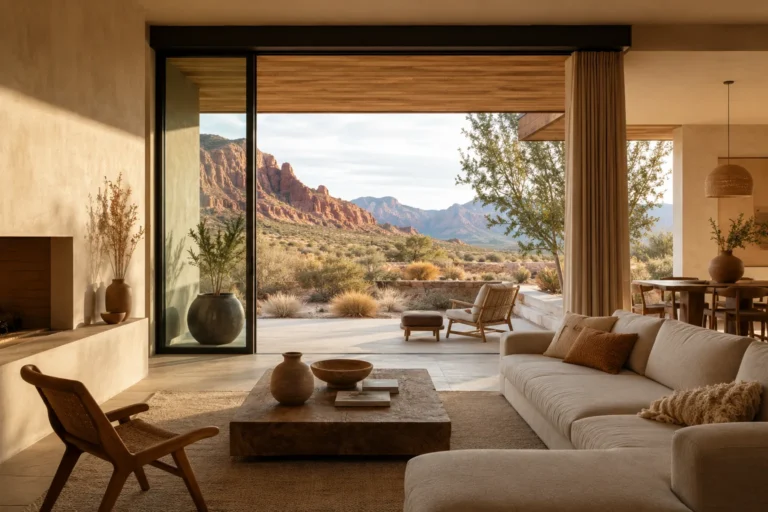
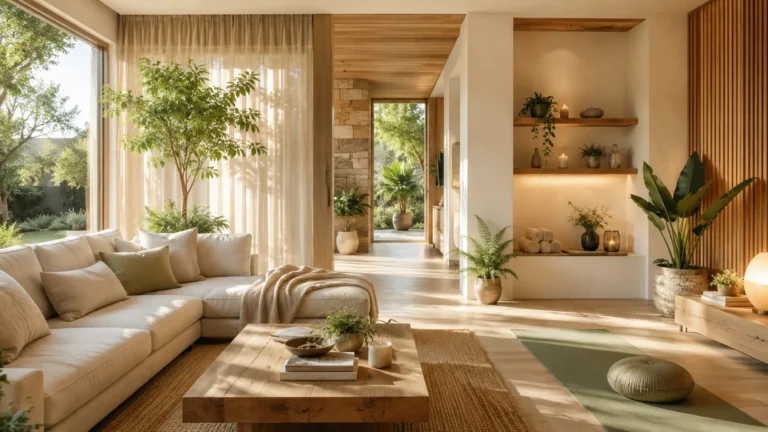
One reason nature-merged homes feel calming is that they reduce the hard boundary between interior and exterior life. Large windows, sliding doors, covered terraces, internal courtyards, and planted views can make nature feel present even when people are indoors. This does not mean every wall needs to be glass, because privacy and climate still matter. It means the home should create moments where the outside world feels close enough to influence the mood inside. A view of trees from the kitchen or a shaded garden outside the bedroom can change how a room feels without changing its furniture at all.
This connection also supports better daily routines. When the garden is visible and inviting, people are more likely to step outside, open a door, water plants, or take a short break in fresh air. These tiny habits may not sound dramatic, but they shape the way a home supports wellbeing. A house that constantly points people toward nature can gently interrupt the pace of indoor digital life. That is why the future of calming home design is not just about interiors, but about how interiors and exteriors work together.
How Nature-Merged Exteriors Fit Better Everyday Spaces
For Havens Compass readers, the real value of nature-merged exteriors is not only aesthetic. It fits into a broader movement toward better everyday spaces, where design helps ordinary routines feel more intentional and less draining. A home exterior that uses natural materials, thoughtful planting, and calmer colors can make the daily return home feel like a reset. It can also make simple activities feel richer, from walking to the mailbox to opening the windows after rain. These are small moments, but slow living is built from small moments repeated often.
This approach also works because it does not demand perfection. A nature-merged home can be modern, rustic, coastal, suburban, compact, or spacious. It can be achieved through a major renovation or through smaller updates like repainting a door, adding planters, changing exterior lighting, or replacing harsh paving with softer materials. The point is to create a home that feels less disconnected from the natural world and more supportive of the people living inside it. That makes the trend flexible enough for real life, which is exactly why it feels more lasting than many surface-level design waves.
Design Details That Make the Biggest Difference
Some exterior changes create a stronger calming effect than others because they influence how the whole home is experienced. The first is shade, which can instantly make an exterior feel more comfortable and layered. Trees, pergolas, deep roof overhangs, screens, and climbing plants all help soften sunlight while adding visual depth. The second is pathway design, because the way people move toward a home affects how the arrival feels. A gently curved path through planting will usually feel calmer than a harsh straight walkway with no softness around it.
Lighting is another detail that matters more than people often realize. Bright, cold exterior lights can make a home feel exposed and commercial, while warmer, lower lighting creates a more restful evening mood. Wall lights, path lights, lantern-style fixtures, and hidden uplighting can all support a calmer atmosphere when used with restraint. The best lighting does not flatten the exterior; it creates pockets of glow and shadow. When combined with planting and texture, it makes the home feel alive after sunset without turning it into a stage.
- Choose exterior colors that echo nearby trees, stone, soil, or sky instead of fighting them.
- Use planting to soften walls, frame entrances, and create privacy without heavy visual barriers.
- Mix natural textures like wood, stone, clay, gravel, and matte finishes for a more grounded mood.
- Design outdoor seating as a daily-use space, not just a decorative corner for guests.
The Trend Impact: From Curb Appeal to Emotional Appeal
Traditional curb appeal was often about making a home look impressive from the street. That still matters, but the conversation is becoming more emotional and more personal. Homeowners are starting to ask whether the exterior feels welcoming, restful, climate-aware, and connected to daily life. This is a major shift because it moves design away from pure display and toward lived experience. A calm home exterior is not only about what neighbors see; it is about how residents feel every time they leave and return.
This change also reflects a deeper cultural fatigue with spaces that look perfect but feel empty. People want homes that age well, support mental rest, and feel rooted instead of generic. Nature-merged design responds to that by making the house less isolated and more relational. It relates to the garden, the weather, the seasons, the street, and the habits of the people who live there. In a time when so much of life feels fast and artificial, a home that looks grounded in nature can feel quietly rebellious.
Common Mistakes to Avoid
Even though the idea sounds simple, creating a nature-merged exterior can go wrong when the design becomes too literal or too forced. One common mistake is adding random greenery without thinking about proportion, maintenance, or how the plants will mature. Another is using natural materials only as decoration, while the rest of the exterior still feels cold and disconnected. Some homeowners also copy a trending palette without checking whether it suits their climate, light, or surrounding landscape. The calmest homes usually succeed because every choice feels related, not because every trendy element is included.
Overstyling is another risk. A nature-led exterior should not feel like a set built to prove how natural it is. Too many rustic objects, too many mismatched planters, or too much decorative wood can make the home feel themed rather than timeless. Restraint is what keeps the look modern and breathable. The best version of this trend feels effortless, even when a lot of thoughtful decisions are working quietly in the background.
Why This Exterior Style Has Staying Power
Nature-merged exteriors are likely to last because they are tied to needs that do not disappear quickly. People will continue wanting homes that feel calmer, more comfortable, and more connected to the environment. They will also keep looking for design choices that feel personal rather than mass-produced. Unlike a single color trend or furniture shape, this exterior movement is flexible enough to evolve with different climates, budgets, and architectural styles. That gives it a stronger foundation than trends built only around novelty.
It also connects naturally with sustainability, even when homeowners are not approaching it from a strictly environmental angle. Native planting, shade, durable materials, and climate-sensitive colors can support comfort while reducing the need for constant replacement or excessive cooling. A home that works with its environment often performs better than one that ignores it. This practical side adds depth to the aesthetic appeal. Calm, in this case, is not just a mood; it can also be a smarter way to build and renovate.
Conclusion: Calm Starts Before the Front Door
The rise of nature-merged exteriors shows that home design is moving beyond the idea that comfort begins inside. The exterior is no longer just a shell, a backdrop, or a quick first impression for guests. It is part of the emotional architecture of daily life, shaping how people arrive, pause, breathe, and reconnect with their own space. By blending natural materials, earth-led color, softer landscaping, thoughtful lighting, and outdoor rooms that actually invite use, a home can become calmer before the front door even opens. In the end, the most beautiful exterior may be the one that does not try too hard to stand apart from nature, but instead learns how to belong to it.