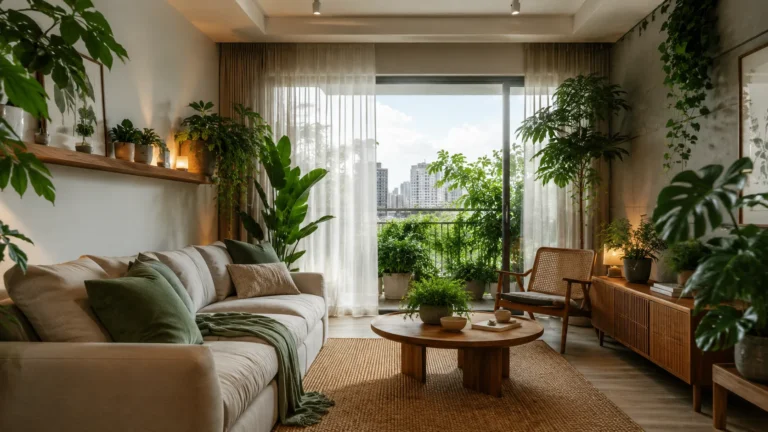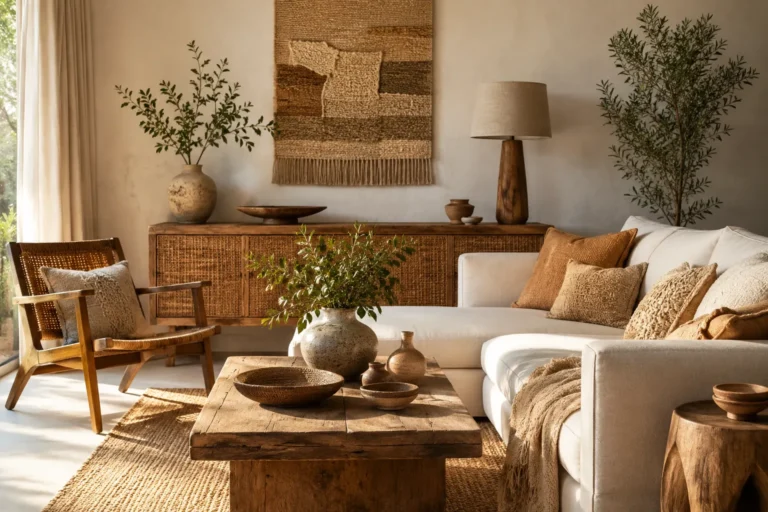
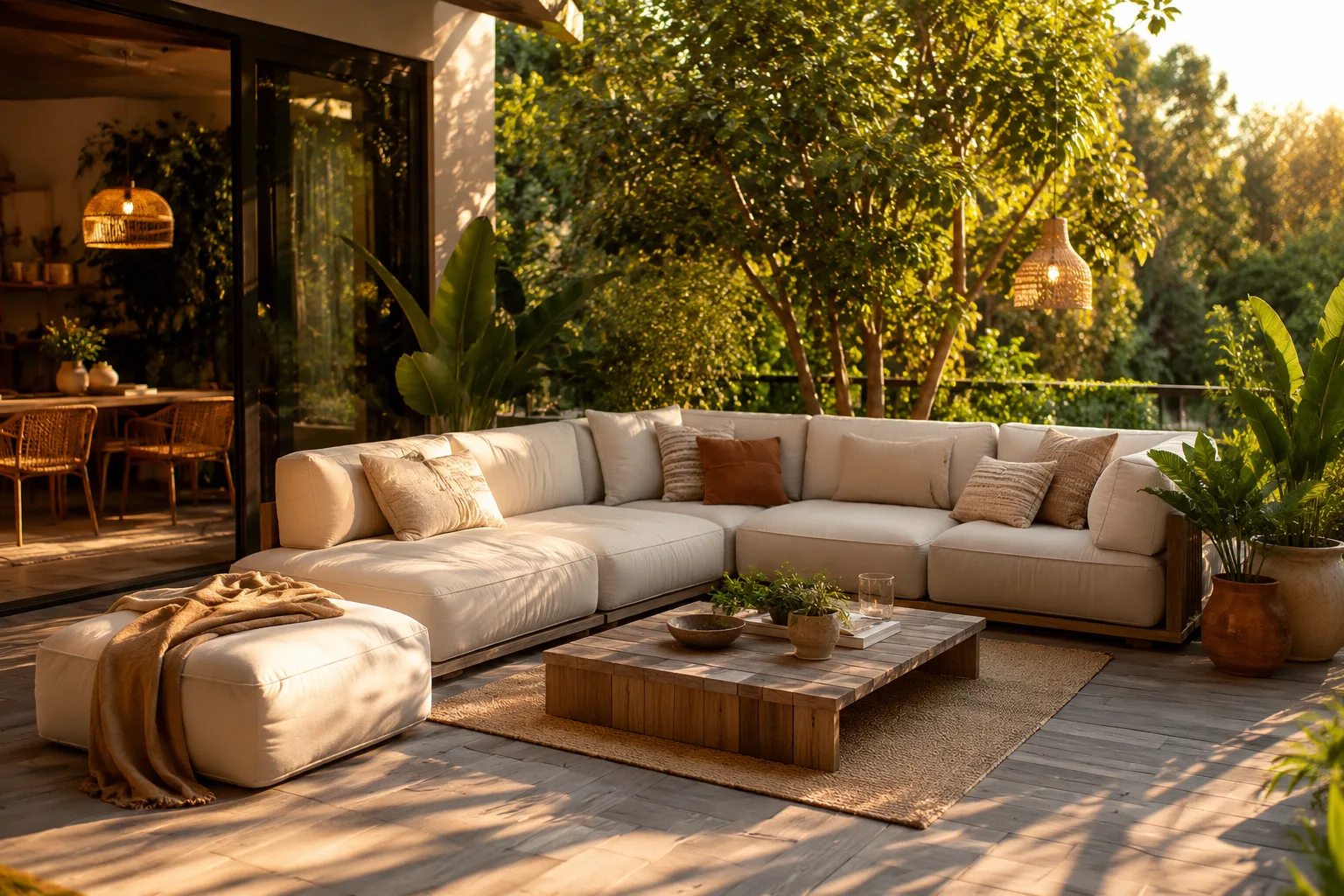
Modular Outdoor Sofa Makes Patios Feel Alive
The patio used to be the place where people left a folding chair, a lonely plant, and maybe a grill that only came alive on weekends. Now, it is becoming the softest room in the house, and the modular outdoor sofa is leading that shift with a quiet kind of confidence. Instead of treating the terrace like a storage zone with sunshine, homeowners are starting to shape it like a living room that happens to breathe fresh air. This change feels especially connected to the way people now think about home, wellness, and slow living as one blended lifestyle rather than separate ideas. A patio with the right seating can turn an ordinary evening into a small ritual, where the day slows down, the body relaxes, and the home feels bigger without adding a single wall.
The reason this trend feels so current is not only because outdoor furniture looks better than it used to. It is because people want spaces that can adapt to real life instead of forcing real life to adapt around stiff furniture. A modular sofa can become a corner lounge for solo reading, a long bench for friends, or a broken-up seating zone when the evening turns social. That flexibility fits perfectly with the modern home mood, where comfort matters but clutter feels exhausting. In a world where schedules are full, screens are loud, and homes have to do more than ever, the terrace is becoming a reset button, and modular seating is giving that button a better shape.
Why the Patio Is Becoming the New Living Room
The biggest shift in home design right now is emotional, not just visual. People are no longer decorating only for guests, photos, or resale value; they are designing for how a space makes them feel on a normal Tuesday afternoon. That is why the patio has suddenly become more important than it looked a few years ago. It offers something the indoor living room cannot always give: moving air, changing light, garden sounds, and a sense of distance from the pressure inside the house. When a patio is furnished with intention, it becomes a place where coffee tastes slower, conversations stretch longer, and doing nothing finally feels like a valid plan.
This is where the modular sofa feels different from the classic patio set. Traditional outdoor furniture often came as fixed pieces that looked fine but did not really invite people to stay. A table with four metal chairs could handle lunch, but it rarely supported lounging, reading, stretching out, or gathering without a formal setup. A modular outdoor sofa changes the energy because it removes that stiff dining-room feeling and replaces it with softness, movement, and choice. It tells the body that the patio is not only for quick meals or summer hosting, but for everyday living in a way that feels easy and natural.
There is also a deeper reason this change connects with slow living. Slow living is not about making life look perfect or turning the house into a staged retreat. It is about building small pockets of attention into ordinary routines, and a terrace can become one of those pockets when it feels comfortable enough to use daily. A modular sofa supports that because it lets the space shift from morning solitude to afternoon work break to evening hangout without needing a full redesign. In that sense, the furniture is not just decorative; it becomes part of the rhythm of the day.
The Rise of the Modular Outdoor Sofa
The modular outdoor sofa has become popular because it solves several problems at once. It gives people the generous comfort of indoor seating while still respecting the unpredictability of outdoor life. Rain, sun, dust, wind, pets, kids, guests, and tight layouts all demand furniture that can take pressure without losing its charm. Instead of buying one bulky piece and hoping it works forever, homeowners can build a seating arrangement piece by piece. That makes the terrace feel more personal, because the sofa can respond to the size of the space, the habits of the household, and the mood of each season.
For small balconies, modular seating can create a compact corner that feels intentional rather than cramped. For wider decks, the same idea can stretch into a full conversation zone with ottomans, side tables, and layered cushions. In family homes, separate modules make it easier to create room for kids, pets, and guests without everything feeling locked in place. For renters, the flexibility matters even more because the furniture can move to a future home instead of being tied to one exact floor plan. This adaptability explains why modular design keeps showing up in modern home design, especially as people look for smarter ways to make everyday spaces work harder without feeling busy.
There is also something visually calming about modular outdoor seating when it is chosen well. Instead of scattering many small chairs across a patio, one connected seating system can make the whole space feel more grounded. The eye reads it as a destination, which immediately makes the terrace feel less random and more complete. When paired with a rug, lanterns, planters, and a low table, the sofa becomes the anchor of the outdoor room. That anchor is important because patios often fail not from lack of space, but from lack of focus.
Comfort Is the New Outdoor Status Symbol
For a long time, outdoor furniture was expected to be durable first and comfortable second. That made sense when materials were more limited, but it also created patios that looked ready for use yet felt slightly punishing after twenty minutes. The new mood is different because comfort has become the main signal of taste. People want deep seats, soft cushions, curved silhouettes, and fabrics that feel pleasant instead of scratchy. The best outdoor spaces now look less like hotel pool areas and more like relaxed extensions of the home, where the goal is not to impress quickly but to invite people to stay.
This comfort-first thinking fits the wellness conversation in a very practical way. Wellness at home does not always need a meditation room, a cold plunge, or expensive equipment. Sometimes it starts with having one place where the nervous system can exhale at the end of the day. A modular sofa on the terrace can become that place because it supports casual rest without making rest feel like an event. When the body has a comfortable outdoor spot to land, even ten minutes outside can feel like a small recovery ritual.
How Modular Seating Makes a Terrace Feel Alive
A terrace feels alive when people actually use it, not only when it looks good from the kitchen window. This is the quiet advantage of a modular outdoor sofa: it encourages use by making the space feel less formal and more forgiving. Someone can sit sideways with a book, stretch out with a drink, invite a friend over, or rearrange the modules when the mood changes. The furniture does not demand one correct way to behave, and that freedom makes the patio feel human. A living space becomes alive when it can hold different versions of the same person across the day.
The terrace also becomes more dynamic because modular seating creates zones without building walls. One section can face the garden, another can turn toward a fire pit, and an ottoman can become either a footrest or an extra seat. This kind of flexible layout is especially useful for modern homes, where outdoor areas are often expected to serve multiple roles. The same patio might host breakfast, remote work, kids’ play, weekend guests, and quiet evening recovery. Modular furniture allows those uses to overlap without making the space feel chaotic.
Another reason the patio feels more alive is the way modular sofas invite layering. A basic chair can look isolated, but a sofa welcomes texture through cushions, throws, outdoor rugs, side tables, trays, and plants. These layers create a sense of warmth that is often missing from bare terraces. When the materials are chosen carefully, the result does not feel overdecorated; it feels lived in. That lived-in feeling matters because slow living is less about perfection and more about building a home that supports real, repeatable comfort.
The Layout Can Change With the Mood
The best part of modular seating is that it does not freeze the patio into one identity. On a quiet morning, the modules can form a chaise-like setup for reading with coffee and bare feet. During a family lunch, the pieces can open up around a table to make conversation feel easier. When friends come over, the same sofa can turn into a relaxed lounge that lets people face each other without dragging chairs across the floor. This kind of movement makes the patio feel less like a designed object and more like a living part of the household.
That flexibility also reduces the pressure to get everything perfect immediately. Many people delay decorating outdoor spaces because they worry about buying the wrong set or choosing a layout that will not work later. Modular furniture makes the decision feel less intimidating because it can grow over time. You can start with a corner, add an ottoman, extend with another seat, or shift the whole setup when the season changes. For a slow home, that gradual approach feels more natural than rushing into a complete look that may not match how the space is actually used.
Materials Matter More Than the Aesthetic
A beautiful patio sofa will only stay beautiful if the materials match the environment. Outdoor living asks furniture to handle heat, humidity, rain, dust, sun exposure, and constant temperature changes. That means the frame, cushion filling, fabric, and stitching all matter more than they might appear in a product photo. Powder-coated aluminum, teak, weather-resistant rope, synthetic wicker, and performance fabrics are popular because they balance durability with softness. The goal is not to buy furniture that looks indestructible, but to choose pieces that can age gracefully without demanding too much maintenance.
Fabric is especially important because it controls both comfort and longevity. A patio sofa needs cushions that dry quickly, resist fading, and feel pleasant against the skin during hot weather. Removable covers can make cleaning easier, while neutral base colors allow seasonal accessories to change the mood without replacing the entire setup. At the same time, outdoor furniture should not feel so precious that people become afraid to use it. The best modular sofa is the one that can handle spilled lemonade, dusty feet, sudden rain, and long weekends without turning the patio into a stress project.
There is also a sustainability angle that matters more every year. Buying flexible furniture can reduce waste because the pieces are less likely to become useless when needs change. A fixed outdoor set might be replaced when the family grows, the home changes, or the patio layout no longer works. Modular seating has a longer emotional lifespan because it can be reconfigured rather than discarded. For a home built around better everyday spaces, that kind of thoughtful durability is more valuable than chasing a trend that only looks good for one summer.
Styling a Modular Outdoor Sofa Without Overdoing It
The easiest mistake with outdoor styling is trying to make the terrace look like a showroom. A patio should feel polished, but it still needs space for bare feet, open drinks, imperfect plants, and changing light. Start with the sofa as the anchor, then build around it with pieces that support real habits. A low table can hold books, snacks, candles, or a tray of cold drinks, while a side table gives someone a place to set a phone without breaking the flow. Once the practical pieces are there, the styling can become softer through texture, color, and lighting.
Color can completely change how the patio feels, but it does not need to be loud to feel alive. Warm neutrals, moss greens, clay tones, faded blues, and sandy shades all work beautifully because they connect the sofa to the outdoor setting. If the house already has a calm interior palette, repeating some of those tones outside can make the transition feel seamless. If the terrace needs more energy, patterned cushions or one bold accent chair can bring personality without overwhelming the space. The trick is to make the patio feel designed, not decorated to the point where nobody knows where to sit.
Lighting is where the terrace often becomes magical. Soft outdoor lamps, lanterns, string lights, and low solar fixtures can turn a modular sofa into an evening destination. The glow should be warm enough to relax the space but practical enough for reading, eating, or talking after sunset. This matters because many patios are technically usable during the day but become forgotten once it gets dark. When the lighting is layered well, the outdoor sofa becomes part of a slow living space that feels inviting long after the sun disappears.
Plants Make the Sofa Feel Rooted
Plants are not just decoration around a modular outdoor sofa; they help the whole seating area feel connected to its setting. Tall planters can soften hard corners, climbing greenery can create privacy, and herbs near the seating area can add scent to the experience. Even a small balcony can feel more grounded with a few layered pots placed around the sofa. The goal is to make the seating feel held by nature rather than dropped onto a slab of concrete. When plants frame the space, the terrace begins to feel like a calm outdoor room instead of an empty platform.
Texture works in a similar way because it helps outdoor spaces feel less flat. A woven rug can define the lounge zone, while linen-look cushions or chunky outdoor throws can soften the edges of the sofa. Wood, ceramic, stone, and woven baskets bring a tactile quality that supports the relaxed mood. These details are small, but together they tell the brain that the patio is a place for comfort. In slow living design, that sensory layer matters because the home should not only look better; it should feel better to move through.
Small Patios Can Benefit Even More
It is easy to assume that modular outdoor sofas only belong in large gardens or oversized decks. In reality, small patios may benefit even more because they need every piece to earn its space. A compact modular corner can provide more seating than scattered chairs while making the layout feel cleaner. Pieces with hidden storage, slim arms, or movable ottomans can add function without crowding the floor. When the setup is planned carefully, even a modest terrace can feel like a complete outdoor room rather than a leftover edge of the home.
The key for a smaller patio is proportion. A sofa that is too deep, too tall, or too visually heavy can make the space feel blocked, even if it technically fits. Low-profile modules often work better because they keep sightlines open and allow the patio to breathe. Choosing one strong seating zone is usually smarter than trying to include too many functions at once. A small terrace that does one thing beautifully will feel more luxurious than a larger space filled with furniture that nobody uses.
Shade is another important detail for small outdoor spaces. Without shade, even the most comfortable sofa can become unusable during hot hours. A wall-friendly parasol, slim pergola, retractable canopy, or shade sail can protect the seating area without taking over the layout. This is not only about comfort, but also about making the patio usable more often across the day. A modular sofa becomes more valuable when the environment around it supports actual daily use, not just occasional weekend moments.
The Wellness Side of Better Outdoor Spaces
Outdoor living has become part of the wellness conversation because people are realizing that small environmental changes can shape everyday mood. A terrace with a comfortable sofa can encourage people to step outside more often, even if only for a short pause between tasks. That pause can interrupt the constant indoor loop of screens, chores, and background noise. Fresh air, daylight, and a softer seating position can make the home feel less compressed. The point is not to romanticize furniture, but to recognize that furniture can either support better habits or make them harder to practice.
A modular outdoor sofa supports wellness by making rest more accessible. When the patio has only hard chairs, going outside can feel like a decision that requires effort. When there is a soft, inviting place ready to use, the body is more likely to choose that option naturally. Over time, those small choices can change how a person experiences the home. The terrace becomes a decompression zone, and that emotional function may be more important than the visual upgrade.
There is also a social wellness layer that should not be ignored. Modern life can make connection feel scheduled, rushed, and overly formal. A modular outdoor sofa creates a setting where people can gather casually without the pressure of a full dinner party. Friends can drop by for drinks, family members can sit together after work, and quiet conversations can happen without everyone facing a television. The outdoor room becomes a softer stage for connection, which is exactly why it feels so relevant in homes that are trying to become calmer and more human.
Why This Trend Feels Built to Last
Some home trends arrive loudly and disappear once the novelty fades. The modular outdoor sofa feels different because it is tied to long-term shifts in how people live. Homes are being asked to support work, rest, wellness, hosting, hobbies, and recovery, often within the same square footage. Outdoor spaces are one of the easiest ways to expand that emotional and functional capacity without renovating the entire house. When a terrace becomes comfortable, flexible, and beautiful, it changes how the whole home is used.
This trend also fits a broader move away from rigid design rules. People no longer want every piece to match perfectly or every room to feel finished in one weekend. They want homes that can grow, shift, and reflect daily life more honestly. Modular furniture supports that because it is designed around change rather than control. In a slow living context, that flexibility feels deeply aligned with the idea that a home should evolve with the people inside it.
The best terraces of 2026 are not trying to copy luxury resorts or influencer backyards. They are trying to become everyday spaces that make ordinary life feel slightly better. A modular sofa helps because it gives the patio a center, a purpose, and a reason to be used beyond special occasions. It can hold the quiet morning, the lazy afternoon, the casual dinner, and the late-night conversation without needing to become a different space each time. That is why this furniture trend feels less like a quick aesthetic moment and more like a practical response to modern life.
Conclusion: A Patio That Finally Feels Human
The real beauty of a modular outdoor sofa is not only its shape, fabric, or ability to rearrange. Its deeper value is the way it turns the terrace into a place where people actually want to spend time. It makes outdoor living less formal, more flexible, and more connected to the rhythms of daily life. It can support slow mornings, better conversations, quiet recovery, and relaxed hosting without asking the home to become bigger or more complicated. In a culture that keeps moving faster, that kind of simple, comfortable space feels surprisingly powerful.
A lively patio does not need to be huge, expensive, or styled like a magazine spread. It needs a clear anchor, a comfortable invitation, and enough flexibility to welcome real life as it changes. Modular seating offers exactly that, which is why it has become such a strong choice for better everyday spaces. When paired with thoughtful materials, gentle lighting, plants, and a calm layout, the terrace becomes more than an outdoor corner. It becomes the room where the home breathes, and sometimes that is the upgrade that matters most.