Home Wellness Zones Are the New Quiet Luxury
The new status symbol at home is not a louder kitchen, a bigger sofa, or a closet that looks ready for a reality show. It is a corner that helps you breathe better, sleep deeper, stretch longer, and come back to yourself after the day has been too much. That is why home wellness zones are becoming the kind of luxury people actually use, not just admire when guests come over. The idea feels simple at first, but it carries a bigger shift in how people now think about comfort, design, and everyday recovery. A home is no longer just expected to look beautiful; it is expected to support the body, calm the mind, and make ordinary routines feel less chaotic.
For years, luxury interiors were judged by visual drama, rare materials, and spaces designed to impress. A glossy marble island, a massive walk-in wardrobe, or a living room with perfect symmetry could signal that a home had arrived. But the mood has changed, especially as people spend more time thinking about stress, sleep, air quality, screen fatigue, and the emotional weight of modern life. The homes people want now are less about showing off and more about feeling regulated, restored, and quietly taken care of. In that sense, the wellness zone is not just another design trend; it is a response to the way daily life has become overstimulating, fast, and permanently switched on.
Why Home Wellness Zones Feel Like Luxury Now
The rise of home wellness zones makes sense because the definition of luxury has become more personal. For a growing number of homeowners and renters, luxury means being able to step away from noise without leaving the house. It means having a place where the lighting is softer, the phone is less dominant, the air feels fresher, and the furniture invites the body to relax instead of perform. This is not about turning every home into a private spa or copying a boutique hotel down to the towel warmer. It is about carving out intentional space for small rituals that make everyday living feel healthier and more grounded.
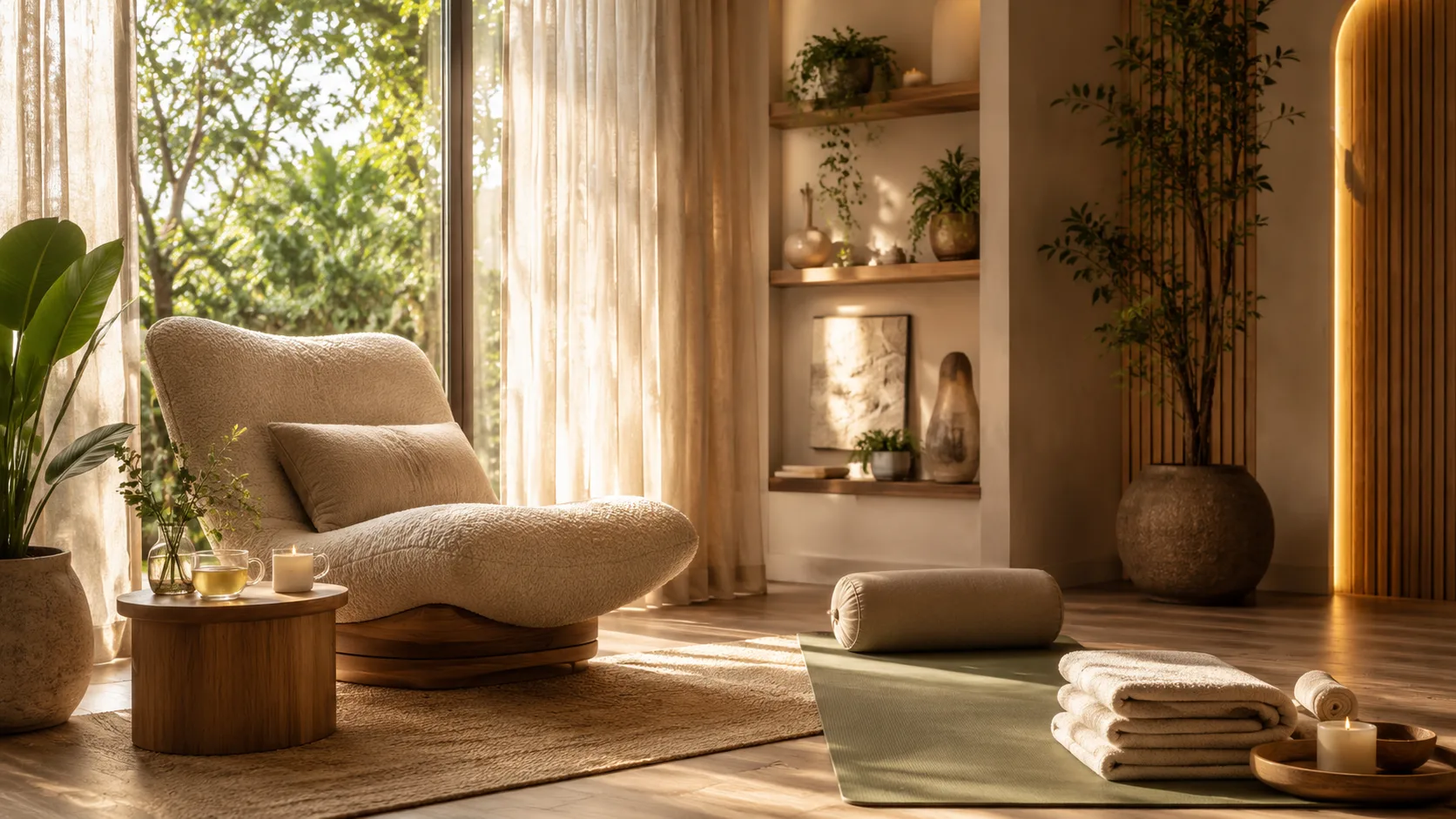
A wellness zone can be big, but it does not have to be. In a large house, it might look like a dedicated recovery room with a sauna, meditation corner, yoga mat, filtered water station, and sound-softening materials. In a small apartment, it might be a window-side chair, a floor cushion, a calming lamp, a plant, and a basket that keeps stretching bands or journals within reach. The most important feature is not square footage; it is purpose. When a space has one clear job, the brain starts to recognize it as a cue, and that cue can make it easier to unwind, focus, recover, or begin the day with more intention.
This is why the trend fits so well with the wider movement toward wellness-centered living. People are not only buying wellness as a product anymore; they are trying to build it into the rhythms of daily life. A face mask once a week or a gym session after work can help, but the home itself shapes every morning, every evening, every meal, and every transition between work and rest. When the environment is stressful, cluttered, poorly lit, or uncomfortable, even simple routines can feel heavier than they need to be. When the environment is supportive, small habits become easier to repeat, and that is where real lifestyle change begins.
The Shift From Showpiece Homes to Supportive Homes
Not long ago, many homes were designed around entertaining, resale value, and the visual language of perfection. Open shelving looked great in photos, white surfaces gave everything a clean glow, and dramatic statement pieces made rooms feel editorial. But people are increasingly questioning whether a home that photographs well always lives well. A room can look expensive and still feel uncomfortable, echoey, cold, or hard to maintain. That realization is pushing design toward a more human question: what does this space actually do for the person who lives here every day?
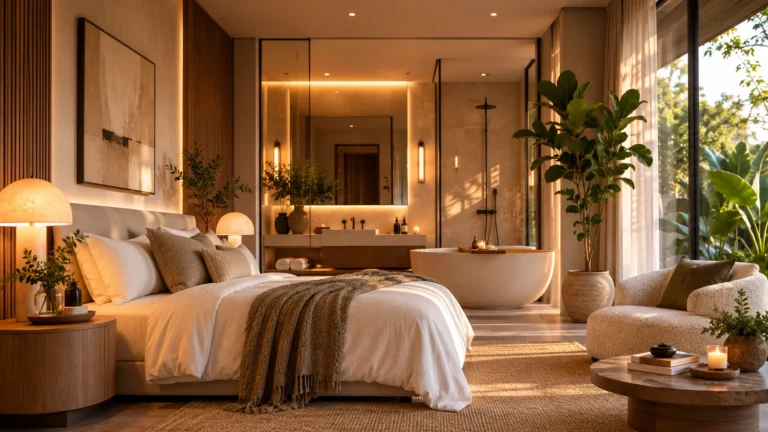
The answer has changed the way people approach everything from bedrooms to bathrooms to unused corners. A bedroom is no longer just a place for a bed and two matching nightstands; it is a sleep system with light control, tactile bedding, quiet storage, and fewer visual triggers. A bathroom is no longer simply a functional room; it can become a reset zone where steam, texture, scent, and warm lighting turn ordinary routines into moments of care. Even a hallway can support wellness if it becomes a gentle threshold between the outside world and the private rhythm of home. This more thoughtful approach does not reject beauty, but it insists that beauty should also feel useful.
There is also a cultural reason this trend is sticking. People are tired of homes that demand constant upkeep for the sake of looking flawless. The new luxury feels more lived-in, layered, and forgiving, which makes it friendlier to real schedules and real moods. A wellness zone does not need to be sterile or perfect, and in many cases, it works better when it feels personal. The soft robe on the hook, the book left open beside the chair, the small ceramic tray for tea, and the textured rug under bare feet all help the space feel used rather than staged.
What Makes a Wellness Zone Actually Work
The most successful home wellness zones start with an honest look at the person using them. A meditation corner will not help much if the homeowner actually needs a place for low-impact movement after sitting all day. A cold plunge setup may look impressive, but it can become expensive background decor if the routine does not fit the household. The best wellness spaces are not built around aesthetics first; they are built around habits. Before choosing furniture, colors, or accessories, the smarter question is what kind of recovery the home needs to support.
For some people, the priority is sleep, which makes the bedroom the natural wellness zone. That might involve blackout curtains, breathable bedding, warmer light in the evening, and a charging station outside the room to reduce late-night scrolling. For others, the priority is nervous system calm, so the zone might focus on sound absorption, soft textures, low clutter, and a seat that encourages stillness. Someone who works from home might need a transition zone that helps the brain leave work mode before dinner. A family might need a shared decompression area where everyone can slow down without the space feeling too precious to use.
Designers often talk about lighting because it changes the mood of a room faster than almost anything else. Bright overhead light can make a space feel active, exposed, and task-driven, which is useful in a kitchen but not always ideal in a recovery corner. Layered lighting gives more control, especially when lamps, dimmers, candles, or indirect light create a softer atmosphere. Natural light also matters, not because every room needs giant windows, but because the body responds to daily light patterns. A good wellness zone pays attention to when the space is used and how the light should support that moment.
Texture, Sound, and Air Matter More Than Décor
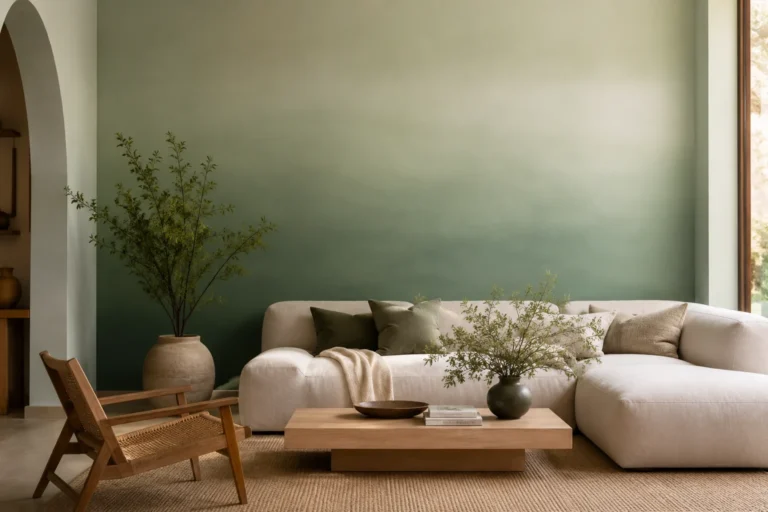
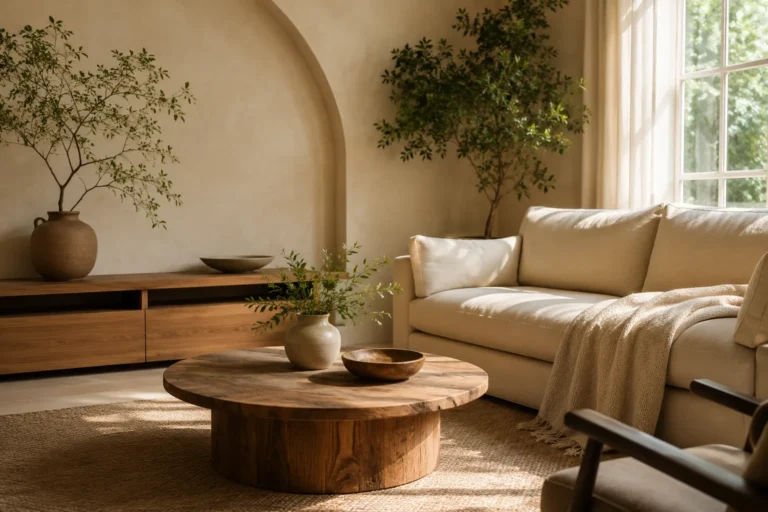
The biggest mistake in designing a wellness corner is treating it like a mood board instead of a sensory experience. A beautiful chair that feels stiff will not invite anyone to sit for more than five minutes. A room filled with hard surfaces may look clean, but it can create echo and tension that make the space feel restless. Materials like linen, wool, cotton, wood, cork, rattan, and stone can add softness, warmth, and tactility without making the room feel overly decorated. The goal is to make the body feel welcomed before the mind even starts analyzing the design.
Air quality is another quiet layer of luxury that is becoming harder to ignore. People may notice a stylish lamp immediately, but they feel the difference when a room is less stuffy, less dusty, and better ventilated. Plants can help visually soften a space, yet wellness design goes beyond simply adding greenery. Good airflow, lower-toxicity materials, regular cleaning systems, and smart placement of textiles all influence how a room feels over time. A true wellness zone is not only pretty in the first week; it remains supportive through daily use, seasonal changes, and the normal messiness of life.
The Home Wellness Zones Trend Is Also About Control
Part of the appeal of home wellness zones is that they give people a sense of control in a world that often feels unpredictable. News cycles move fast, work messages arrive at strange hours, cities feel louder, and digital life makes it easy to stay mentally busy even when the body is exhausted. A small wellness space becomes a boundary, and boundaries are one of the most underrated luxuries of modern living. It tells the household that this corner has a different energy and a different set of rules. In a culture that celebrates constant availability, a room that protects slowness can feel almost rebellious.
This control does not have to be dramatic. It can start with a no-laptop chair, a ten-minute evening stretching area, or a bathroom shelf reserved for calming routines instead of random products. It can mean choosing a sound machine instead of another screen, or swapping harsh white bulbs for warmer light in the spaces used before bed. These choices are small, but they create repeated signals that shape behavior. Over time, the home stops being a place where stress simply lands and starts becoming a place where stress is processed, softened, and released.
That is why wellness design is becoming more democratic, even when the luxury market gives it the flashiest version. Not everyone can build a sauna, a Pilates studio, or a garden bathhouse, but almost anyone can think more intentionally about how a corner of the home supports recovery. The trend becomes more interesting when it leaves the mansion and enters the rental apartment, the shared house, or the compact city studio. In those spaces, creativity matters more than budget, and the emotional payoff can be just as powerful. A $30 lamp used well can sometimes change a nightly routine more than a room full of expensive pieces chosen without purpose.
From Spa Bathrooms to Quiet Corners
The bathroom is one of the clearest examples of how wellness has entered home design. Once treated as a purely practical space, it is now being reimagined as a place for recovery, skincare, heat, water, and quiet. People want bathrooms that feel warmer, softer, and more ritual-friendly, even when the footprint is modest. That might mean adding a wooden stool beside the tub, using warmer metal finishes, bringing in stone-like textures, or creating better storage so the counter does not become a cluttered stress zone. The spa reference is still there, but the best versions feel personal rather than copied from a hotel brochure.
At the same time, not every wellness zone needs plumbing, expensive renovation, or a dramatic before-and-after moment. Some of the most useful spaces are simple corners that give the day a pause button. A reading chair near natural light can become a mental reset spot if it is kept free from work clutter. A yoga mat tucked beside a low shelf can encourage movement if it is easy to unroll and not hidden behind storage boxes. A small tea station can create a morning ritual that feels intentional instead of rushed, especially when the surrounding area is calm and easy to maintain.
The real power of these zones comes from repetition. A room does not become restorative because it appears on a trend list; it becomes restorative because people return to it again and again. The more consistently a space supports a certain ritual, the stronger the association becomes. That is why a wellness zone should not be overcomplicated, because complexity can quietly become friction. The easier it is to use, clean, and reset, the more likely it is to become part of everyday life instead of another ambitious design idea that fades after a month.
Slow Living Makes Wellness Design Feel Warmer
The language of wellness can sometimes feel clinical, especially when it focuses too much on optimization. But the slow living movement brings a warmer, more human energy to the conversation. It asks people to pay attention to rhythm, simplicity, craft, nature, and the small pleasures that make a home feel alive. A wellness zone shaped by slow living is not obsessed with tracking every metric or buying every device. It is more interested in making breakfast feel calmer, evenings feel less scattered, and weekends feel like they belong to the people inside the home.
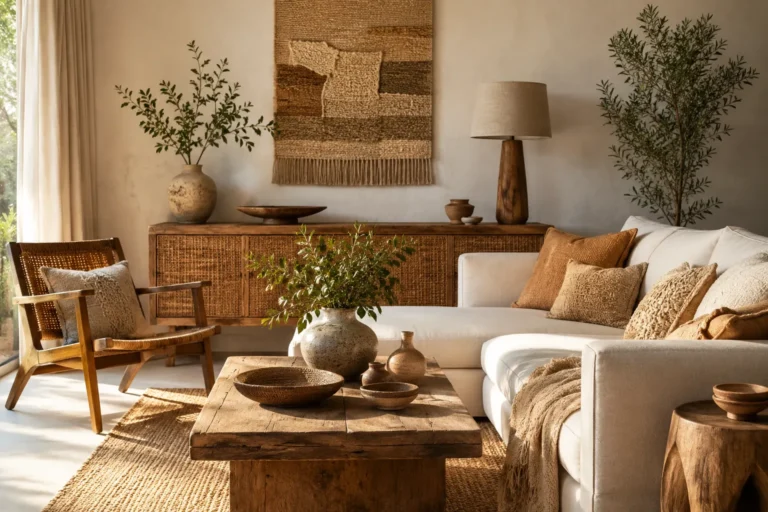
This is where slow living interiors overlap beautifully with wellness design. Both ideas value intention, but slow living adds softness and emotional depth. It encourages people to keep what they use, choose materials that age well, and design rooms around actual rituals rather than imagined lifestyles. A slow wellness zone might include handmade ceramics, natural fibers, old wood, a favorite blanket, or a shelf of books that invite lingering. These details do not scream luxury, yet they often create the kind of atmosphere people now crave more than polished perfection.
The shift also changes shopping habits. Instead of buying many small decorative objects to fill empty space, people are becoming more selective about pieces that improve daily experience. A supportive lounge chair, a better mattress, a dimmable lamp, a water filter, or a beautiful storage basket can do more for the mood of a room than another trend-driven accent. This does not mean design has to become boring or overly practical. It means the most desirable homes are learning how to combine comfort, beauty, and emotional usefulness in a way that feels natural rather than forced.
The Business of Feeling Better at Home
The rise of wellness zones also reflects a larger market shift. Home brands, designers, architects, and real estate developers are paying attention because wellness is no longer a niche lifestyle category. It now touches lighting, furniture, appliances, textiles, air systems, bathroom design, garden planning, and smart home technology. A house that supports better sleep, calmer mornings, and healthier routines can feel more valuable because it solves problems people experience every day. This gives wellness design a practical edge that pure decoration does not always have.
Still, there is a risk that the trend becomes another expensive aesthetic instead of a meaningful lifestyle upgrade. Social media can turn any idea into a look, and wellness is especially vulnerable because it photographs so well when styled with towels, candles, neutral colors, and glass bottles. But a real wellness zone is not proven by how serene it appears in a photo. It is proven by whether someone actually uses it when they are tired, stressed, unfocused, or trying to build a healthier routine. The most successful designs will be the ones that look good and quietly work hard in the background.
This is also where the idea of invisible wellness becomes important. Some of the best choices are not obvious at first glance, but they change how a home feels. Acoustic panels hidden in design details, better ventilation, softer lighting temperatures, non-slip bathroom surfaces, ergonomic seating, and layouts that reduce clutter can all support well-being without turning the home into a showroom of wellness products. Luxury becomes less about a single dramatic feature and more about the overall experience of living in the space. The home starts to feel calmer not because it announces wellness, but because it removes small sources of friction.
How to Create a Home Wellness Zone Without Renovating
For many people, the most useful version of this trend begins with editing, not buying. Start by choosing one part of the day that feels rushed, heavy, or emotionally noisy. It could be waking up, returning from work, exercising, winding down, or trying to sleep. Then choose one small area that can support that moment more intentionally. This approach keeps the project grounded in real life, which makes it more likely to last beyond the excitement of rearranging furniture.
Once the purpose is clear, remove anything that does not belong to that ritual. If the corner is for reading, do not let it become a drop zone for laundry, chargers, and random packages. If the area is for stretching, keep the mat visible enough to invite use but tidy enough that it does not create visual stress. If the bedroom is becoming a sleep-focused wellness zone, reduce the number of objects that stimulate work, scrolling, or unfinished tasks. The act of subtraction can feel surprisingly luxurious because it gives the room back its purpose.
After that, improve the sensory layers one by one. Light is usually the best first step because it changes the atmosphere immediately. Texture comes next, especially through rugs, cushions, curtains, throws, bedding, or natural surfaces that make the space feel less hard. Sound is often overlooked, but even a small change like a heavier curtain, a soft rug, or a quieter appliance can make a room feel more peaceful. Finally, think about scent and air carefully, choosing freshness and cleanliness over anything overpowering.
- Choose one daily ritual the zone should support.
- Remove visual clutter that fights the purpose.
- Use softer lighting instead of harsh overhead light.
- Add texture that makes the body feel comfortable.
- Keep the setup easy to reset after every use.
The most important rule is to keep the zone realistic. A wellness corner that requires twenty minutes of setup will probably disappear into regular life. A simple arrangement that is always ready will be used far more often, even if it looks less impressive online. Design should reduce resistance, not create another task to manage. When a wellness zone is easy to enter and easy to maintain, it becomes a quiet form of everyday support.
Why This Trend Has Staying Power
Some home trends burn bright for a season and then start to feel dated, but home wellness zones have deeper roots. They connect to health, burnout, aging, hybrid work, climate comfort, and the desire for homes that feel emotionally safe. Those needs are not likely to disappear just because a new color palette becomes popular. In fact, as technology takes up more space in daily life, the demand for physical spaces that help people unplug may only grow stronger. A dedicated wellness zone gives the home a counterbalance to the speed of everything else.
The trend also adapts easily across styles. A minimalist home can create a wellness zone through clean lines, empty space, and soft light. A rustic home can lean into wood, linen, stone, and a slower connection to nature. A colorful home can still feel restorative if the palette is personal, balanced, and paired with comfortable textures. Because the concept is based on function rather than one fixed look, it can evolve without becoming instantly outdated.
There is also an emotional honesty to this shift. People are admitting that the home needs to do more than store belongings and host occasional gatherings. It needs to absorb tiredness, support change, and make care feel accessible on ordinary days. That does not mean every room must be quiet or every object must have a wellness purpose. It simply means the home should include at least one place where life can slow down and the person living there can feel restored.
Conclusion: The Future of Luxury Is Restorative
The rise of home wellness zones shows that luxury is becoming quieter, more practical, and more personal. The new dream home is not only the one with beautiful finishes; it is the one that helps its owner sleep better, breathe easier, move more gently, and feel less overwhelmed by daily life. This shift does not erase style, but it asks style to become more supportive and less performative. A calming corner, a spa-like bathroom, a better-lit bedroom, or a slow morning ritual can all become part of a more thoughtful way to live. In the end, the most luxurious space may be the one that gives people something modern life keeps taking away: a real sense of ease.