Biophilic Design for Cooler Apartment Living
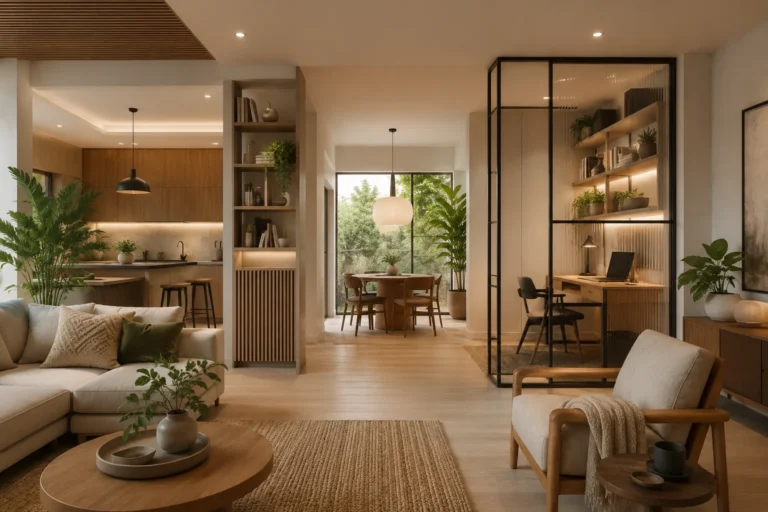
The new dream apartment is not the one that looks perfect for ten seconds on a social feed, then feels flat the moment the camera leaves. It is the place that lets the body exhale after traffic, deadlines, endless tabs, and the strange brightness of modern city life. That is why biophilic design is moving from a niche interior concept into a serious lifestyle language for renters, homeowners, designers, and anyone trying to make a compact apartment feel softer, calmer, and more alive. The idea is simple on the surface, but powerful in practice: bring the patterns, textures, light, rhythm, and emotional comfort of nature into indoor spaces. In small apartments especially, this approach can make a room feel shaded, grounded, breathable, and quietly luxurious without turning it into a jungle or an expensive design showroom.
Across cities, apartments are doing more work than ever before. A living room becomes an office in the morning, a dining spot at noon, a workout corner in the evening, and a decompression zone at night. That flexibility sounds convenient, but it can also make home feel like a multitasking machine instead of a refuge. The rise of biophilic design answers that problem by shifting the focus from decoration to restoration. Instead of asking only what looks beautiful, it asks what makes daily life feel better, what supports focus, what lowers visual stress, and what helps a person feel connected to something slower than the screen in front of them.
Why Biophilic Design Feels Right for Apartments Now
For years, apartment styling was dominated by quick visual formulas: white walls, one accent chair, a round mirror, a predictable plant in the corner, and enough beige to make every home look like the same rented cloud. That look was clean, but it often missed something human. As people spend more time working, resting, cooking, streaming, hosting, and recovering inside smaller spaces, they are starting to notice how rooms affect mood in subtle but constant ways. Biophilic design feels current because it offers more than a look; it offers a relationship between the apartment and the person living inside it. It does not demand a huge renovation, but it does invite deeper choices about light, air, touch, sound, color, and movement.
The trend also connects strongly with the broader shift toward wellness interiors and slow living. People are no longer satisfied with spaces that photograph well but drain them emotionally. A home has to hold the messiness of real life while still creating moments of calm, and that is especially important in dense urban apartments where outdoor access may be limited. When a room includes natural materials, layered greenery, warm light, organic shapes, and textures that feel good under the hand, it can soften the emotional edge of city living. The result is not just a prettier apartment, but a more supportive everyday environment.
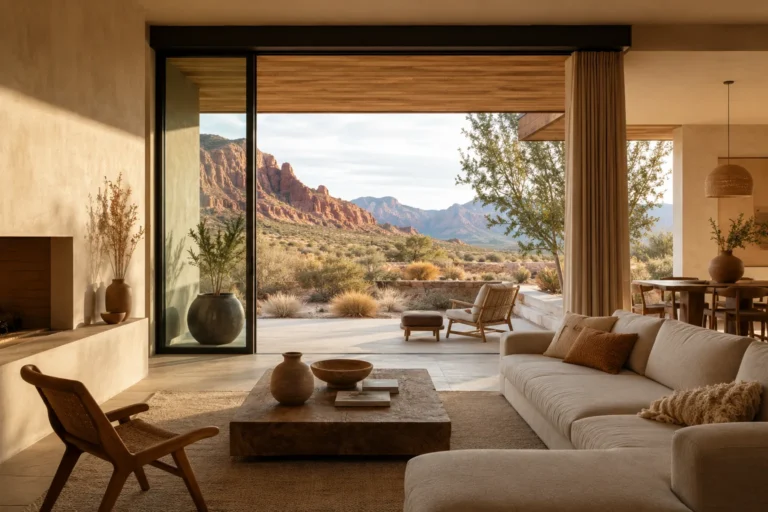
This is also why the phrase “city sanctuary” keeps appearing in conversations about modern interiors. The apartment is no longer treated as a container for furniture; it is treated as a small ecosystem. Even when there is no balcony, no garden view, and no dramatic floor-to-ceiling window, a home can still borrow from nature through thoughtful choices. A shaded reading corner can mimic the feeling of sitting under a tree, while a clay-toned wall can create the warmth of earth without feeling rustic. In that sense, biophilic apartment design is less about copying nature and more about translating its emotional language into rooms that people actually use.
The Apartment as a Soft Retreat, Not a Storage Box
Many apartments are designed around efficiency first, which makes sense when every square foot matters. The problem is that efficiency can easily turn into emotional emptiness if a room becomes nothing more than storage, screens, and hard surfaces. A biophilic approach changes the starting point by asking how the space should feel before asking what should fit inside it. That question matters because the same sofa, desk, and shelf can create a completely different mood depending on the materials, placement, lighting, and surrounding textures. When those choices are guided by nature, even a basic apartment layout can feel more generous than its actual size.
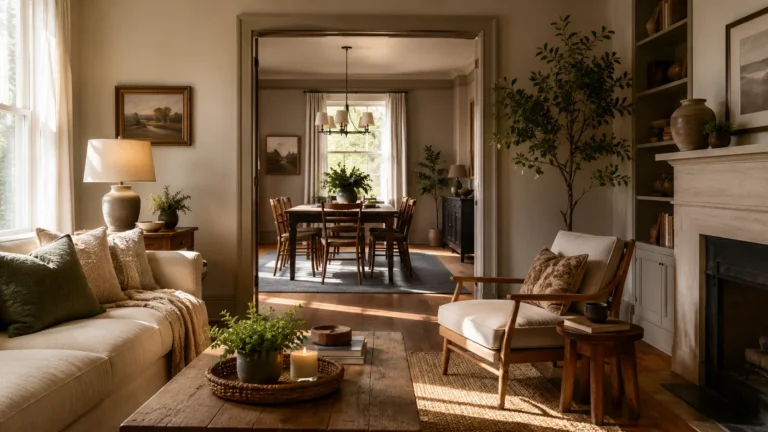
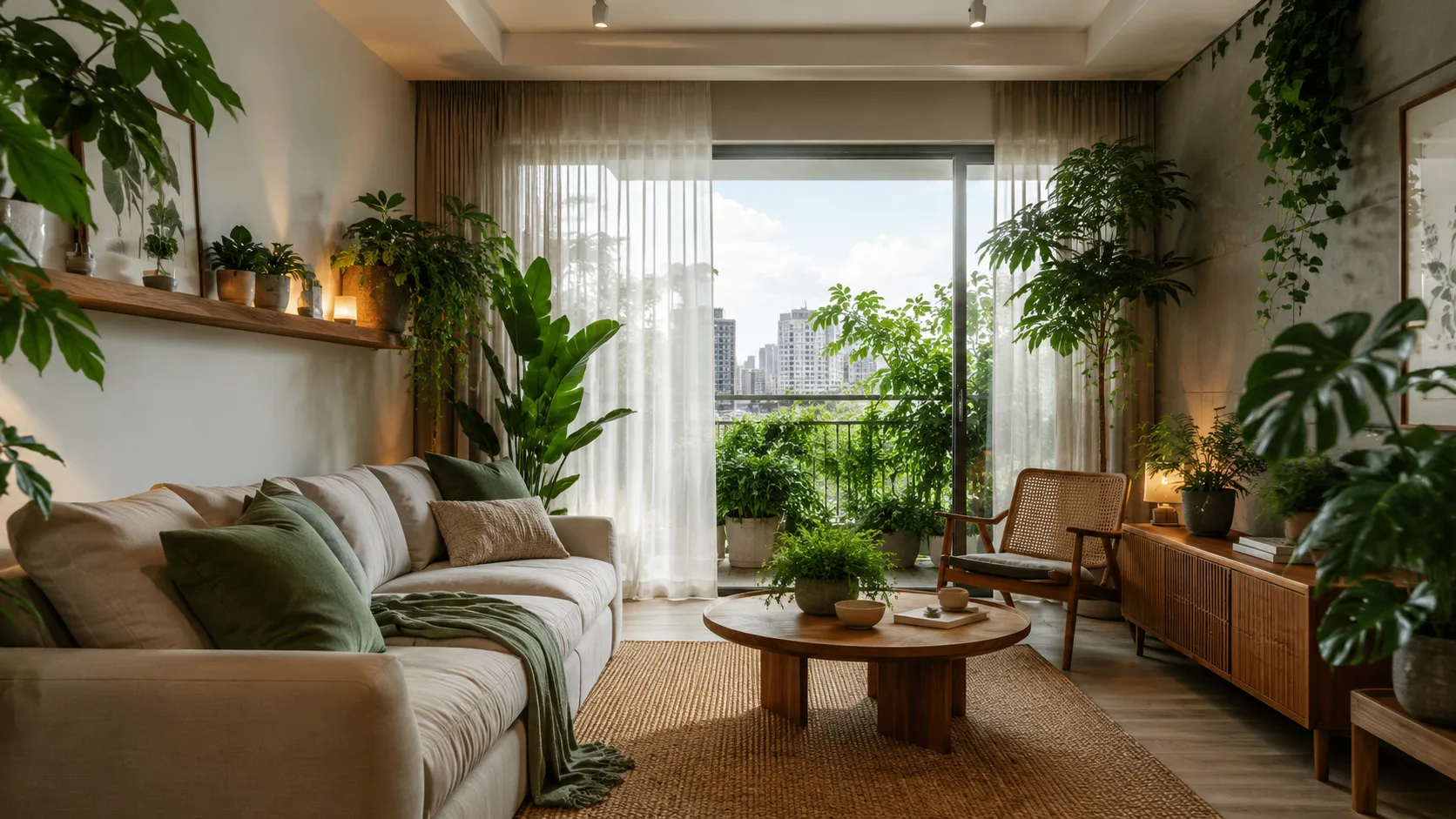
Think about the difference between a living room lit only by a harsh ceiling bulb and one shaped by soft lamps, filtered daylight, warm wood, linen curtains, and a few sculptural plants. The furniture might be almost identical, but the emotional experience is not. The second room slows the eye down, gives the body visual cues of comfort, and creates depth without clutter. That is the quiet power of natural home decor when it is used with intention rather than as a shopping checklist. It makes an apartment feel less like a temporary stop and more like a place that understands the pace of daily life.
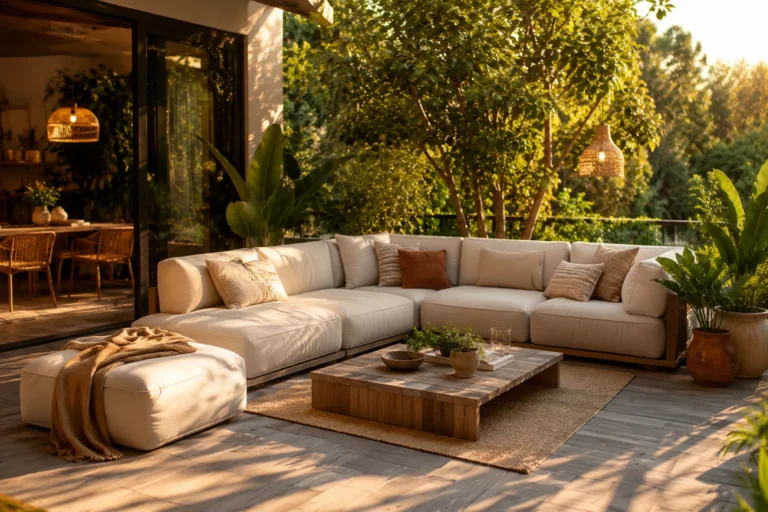
This matters even more for renters who cannot change flooring, knock down walls, or repaint every surface. Biophilic changes can be layered in ways that respect rental limits while still transforming the mood of a room. A woven rug can soften a cold floor, a timber side table can add warmth to a blank corner, and a tall plant beside a window can visually connect the interior to the outside world. Even removable window films, fabric shades, and earth-toned textiles can reduce glare and create a calmer atmosphere. The goal is not to hide the apartment’s limits, but to work with them until the space feels more forgiving.
Biophilic Design Elements That Make Rooms Feel Cooler
When people say a biophilic apartment feels “cooler,” they often mean more than temperature. They mean the room feels visually shaded, emotionally balanced, and less aggressive than a space full of shiny surfaces and cold lighting. The effect comes from several design layers working together, especially color, light, texture, air flow, and the placement of living elements. A room with warm neutrals, clay colors, leafy silhouettes, and filtered sunlight can feel cooler because the eye experiences softness and depth. In small apartments, where visual noise builds quickly, those choices can make the difference between a room that feels tight and one that feels quietly open.
Color is one of the most accessible tools in this shift. Instead of relying only on bright white to make a room feel bigger, a biophilic palette uses shades that feel connected to landscape. Think moss, olive, warm sand, muted terracotta, mushroom, stone, bark, soft cream, and deep leafy green used in small but deliberate doses. These tones work because they feel familiar to the nervous system, even when the apartment sits several floors above a busy street. They also pair well with natural textures, which means a renter can introduce the mood through cushions, throws, curtains, art, ceramics, and bedding without needing a full renovation.
Texture is just as important as color because nature is never perfectly flat. Smooth laminate, glossy plastic, and bare walls can make a room feel visually thin, even if the furniture is expensive. By contrast, jute, linen, rattan, clay, cork, wool, stoneware, and wood bring the kind of surface variation that makes a space feel layered and human. This does not mean every apartment needs to look handmade or rustic, because modern biophilic interiors can still feel polished and urban. The key is balance: enough organic texture to soften the room, enough negative space to keep it from feeling crowded, and enough personal detail to make it feel lived in.
Light Is the Real Luxury
In apartment design, natural light often decides the mood before furniture even enters the room. A bright unit can feel bigger than it is, while a dark one can feel heavy even with beautiful decor. Biophilic design does not treat light as an afterthought; it treats it as a living part of the space that changes through the day. Sheer curtains, reflective but soft surfaces, pale natural textiles, and open window zones can help daylight move more gently through a room. At night, warm layered lighting can replace the flat intensity of a single overhead bulb and create a slower rhythm for the evening.
This rhythm matters because modern apartments are often overlit in the wrong places and underlit in the places where comfort matters. A desk might have glare, while a sofa corner feels dull, and a bedroom might switch from phone brightness to harsh ceiling light with no transition. A more thoughtful lighting plan creates zones that match daily habits. A small lamp near a plant, a shaded wall sconce, or a warm bulb near a reading chair can change the emotional temperature of the room. In a biophilic apartment, light is not just used to see things; it is used to guide the body through work, rest, and recovery.
Biophilic Apartment Design Without the Plant Overload
One of the biggest misunderstandings about biophilic design is that it means filling every empty corner with plants. Plants can be beautiful and useful, but they are only one part of the story. A room can have twenty plants and still feel chaotic if the lighting is harsh, the furniture blocks movement, and every surface is overloaded. On the other hand, an apartment with just a few well-placed plants can feel deeply connected to nature if the materials, colors, and spatial flow are right. The most successful biophilic apartments use greenery as punctuation, not visual noise.
Placement matters more than quantity. A tall plant near a window can extend the feeling of outdoor greenery into the room, especially when its shape frames the light rather than crowding it. A trailing plant on a shelf can soften a hard vertical line, while herbs in the kitchen can make daily routines feel more sensory and grounded. In a bedroom, one calm plant with sculptural leaves may do more than a crowded cluster that competes with the need for rest. The idea is to create moments where the eye can pause, not to make the apartment feel like a plant shop after closing time.
There is also a practical side to this, especially for busy renters and city dwellers who travel, work long hours, or do not want a high-maintenance setup. Low-care plants, dried botanicals, natural wood grain, botanical prints, stoneware, woven storage, and nature-inspired shapes can all carry the biophilic feeling without demanding constant attention. This is where the trend becomes more realistic and inclusive. Not everyone has perfect sunlight or the time to maintain delicate greenery, and good design should respect that. A calm apartment is not created by pressure; it is created by choices that support the life already happening there.
How Slow Living Shapes Better Everyday Spaces
Slow living is often misunderstood as a soft aesthetic built from linen bedding, handmade mugs, and quiet mornings. Those things can be part of it, but the deeper idea is about designing daily life with more intention. In an apartment, that means giving ordinary routines enough space to feel less rushed. A chair by the window becomes a place to drink coffee without opening a laptop, while a small entry tray creates a landing point that keeps the rest of the home from becoming chaotic. These small decisions are exactly where slow living at home meets practical design.
Biophilic design supports slow living because it naturally encourages rhythm, attention, and sensory awareness. A wooden table invites touch in a way a synthetic glossy surface usually does not. A soft rug changes how a person walks through a room, while layered curtains change how morning light arrives. Even a simple bowl of fruit on the counter can bring seasonal color into a kitchen that might otherwise feel purely functional. When these details are chosen with care, the apartment begins to support slower habits without needing a dramatic lifestyle overhaul.
This is especially relevant for younger renters and urban professionals who may not own their homes but still want a sense of emotional ownership. The old idea was that renters should avoid investing too much in a temporary space. The newer mindset is more personal: even a temporary home shapes your energy every single day, so it deserves care. A washable linen duvet, a lamp that makes evenings feel warmer, a plant that grows with you, or a shelf styled with meaningful objects can change the relationship between person and place. Better everyday spaces are not always bigger spaces; often, they are spaces that pay closer attention.
The Wellness Side of Biophilic Design
The wellness conversation around interiors is becoming more mature. It is no longer limited to spa bathrooms, scented candles, or a yoga mat rolled neatly beside the bed. Today, wellness at home is being discussed through air quality, acoustics, natural light, visual calm, ergonomic layouts, and emotional recovery. Biophilic design fits into this conversation because it treats the home as an environment that interacts with the body. In an apartment, where rooms are close together and sensory overload can build quickly, that environmental thinking becomes especially valuable.
One overlooked part of wellness interiors is sound. Hard floors, bare walls, and open layouts can make an apartment echo, which adds low-level stress even when nothing dramatic is happening. Natural materials can help soften that effect when used through rugs, curtains, upholstered seating, fabric wall hangings, books, and textured surfaces. These pieces do not need to be expensive, but they do need to be intentional. A room that sounds softer often feels calmer, and that can change how a person experiences everything from work calls to evening rest.
Air and scent also matter, though they are easy to ignore because they are less visible than furniture. Good ventilation, fewer synthetic-heavy materials, cleanable textiles, and living greenery can all contribute to a fresher home experience. Even the scent of wood, herbs, cotton, or dried lavender can make a small apartment feel more connected to the natural world. The point is not to create a fake forest indoors, but to reduce the sterile feeling that often comes with modern compact living. A healthier apartment is built through layers of small, repeatable improvements that add up over time.
The New Calm Is Layered, Not Empty
Minimalism had a long run because people wanted relief from clutter and overconsumption. However, many are now realizing that empty does not always equal calm. A room can be almost bare and still feel cold, while a layered room can feel peaceful if every element has a reason to be there. This is where biophilic thinking creates a more flexible alternative to strict minimalism. It allows texture, age, imperfection, and warmth while still avoiding visual chaos.
In practice, that might mean choosing fewer objects, but choosing them with more sensory depth. A handmade ceramic lamp, a reclaimed wood bench, a linen curtain, or a woven basket can do more for the mood of a space than several decorative objects with no emotional or tactile value. The apartment starts to feel collected rather than staged. This approach also ages better because it is not tied to one viral look. Instead, it grows with the person living there, which is one of the reasons nature-inspired interiors are becoming a stronger long-term direction.
Small Apartment, Big Atmosphere
A compact apartment does not need to feel like a compromise when atmosphere is handled well. In fact, small spaces can be ideal for biophilic design because every change is noticeable. A single textured wall, a better window treatment, a warm rug, or a plant with strong shape can shift the entire energy of the room. The challenge is editing carefully so the apartment feels lush without becoming crowded. That is why the best small-space design often depends on restraint, contrast, and smart placement rather than simply adding more.
Furniture with visible legs can help light move through a room, while rounded forms can soften tight corners. Mirrors can reflect greenery or daylight, but they should be placed thoughtfully so they expand calm rather than multiply clutter. Storage should feel integrated, not like an emergency response to having too much stuff. Natural baskets, under-bed storage, closed cabinets, and slim shelving can help keep the visual field clear. When the eye has room to rest, even a small apartment can feel more spacious and more emotionally breathable.
Another useful strategy is to create micro-zones that feel distinct without cutting the apartment into pieces. A rug can define a living area, a pendant or lamp can mark a dining corner, and a plant can separate a work zone from a rest zone. These divisions do not need walls; they need cues. Nature is full of transitions, from shade to sun and from open field to wooded path, and apartments can borrow that logic. A good home design plan uses subtle changes in material, height, light, and texture to make one room support multiple moods.
Why This Trend Feels More Human Than Perfect
The most interesting thing about the current biophilic movement is that it does not feel obsessed with perfection. It is moving away from interiors that look frozen and toward spaces that feel responsive, personal, and alive. Natural materials bring variation, plants grow unevenly, clay finishes catch light differently through the day, and woven objects carry small irregularities. These details make a home feel less algorithmic, which is refreshing in a world where so many interiors have started to look generated by the same mood board. A biophilic apartment can still be stylish, but its style comes from depth rather than polish alone.
This human quality is important for Havens Compass readers because better everyday spaces are not about chasing luxury for its own sake. They are about creating homes that support better mornings, softer evenings, easier routines, and a stronger sense of belonging. Biophilic design fits that mission because it works at the intersection of beauty and well-being. It offers design choices that are emotional without being sentimental and practical without feeling boring. More importantly, it proves that a home does not need to be large, owned, or expensive to become a place of restoration.
The trend also pushes back against the pressure to constantly replace things. A slow, nature-led apartment does not need a full seasonal makeover every time a new interior trend appears. Instead, it can evolve through better materials, more meaningful objects, improved lighting, healthier habits, and pieces that last longer than a viral cycle. That makes it not only calmer, but also more sustainable in spirit. When people choose quality, repair, reuse, and emotional durability, the home becomes less disposable and more connected to real life.
How to Start Without Redesigning Everything
The easiest way to begin is by looking at the apartment during different parts of the day. Notice where the light feels good, where the room feels harsh, where clutter gathers, and where the body naturally wants to pause. Those observations are more useful than copying a perfect image because they reveal what the space actually needs. Maybe the living room needs warmer lighting, not a new sofa. Maybe the bedroom needs softer textures, not more decor. Maybe the kitchen needs a small herb corner, better storage, and a calmer color palette to feel more alive.
From there, choose one sensory layer at a time. Start with light, because it changes everything quickly. Then move to texture through curtains, rugs, bedding, throws, or cushions in natural fibers where possible. After that, add greenery or botanical references in a way that suits the apartment’s maintenance level. Finally, edit the surfaces so the room has breathing space and the meaningful pieces can actually be seen.
This step-by-step approach keeps biophilic design from becoming another stressful home project. The point is not to finish the apartment in one weekend, because that mindset belongs to fast decor culture. A better approach is to let the home improve gradually, guided by how it feels to live there. Over time, small choices begin to build a stronger atmosphere. The apartment becomes not just styled, but tuned to the person inside it.
Conclusion: Biophilic Design Is the New Apartment Calm
At its best, biophilic design is not a trend that tells people to buy more things. It is a design philosophy that reminds people to notice what makes them feel steady, awake, rested, and connected. In apartments, that reminder feels especially important because city homes often have to do a lot with limited space, limited light, and limited access to nature. By using natural materials, layered lighting, organic textures, thoughtful greenery, and slow-living habits, even a compact unit can become a cooler and calmer retreat. The result is a home that feels less like a backdrop and more like a daily support system.
The future of apartment living is not only about smart devices, flexible layouts, or furniture that folds into clever shapes. Those things can help, but they do not replace the emotional intelligence of a room that feels good to enter. A shaded corner, a warm lamp, a textured wall, a living plant, and a natural material under the hand can quietly change the way a person moves through the day. That is why biophilic apartment design is becoming so relevant now. It gives modern homes what they have been missing: a little more nature, a little more softness, and a better everyday rhythm.