Home Entertainment Spaces Become Daily Rituals
The old idea of a home entertainment zone was fairly predictable: a large television, a deep sofa, a few speakers, and perhaps a cabinet filled with cables nobody wanted to organize. Today, that setup is being replaced by something more personal, atmospheric, and intentional. The modern home entertainment space is no longer designed only for watching a movie after work or hosting friends on special occasions. It is becoming a setting for daily rituals, from making coffee before sunrise to mixing a quiet evening drink, listening to an entire album, playing cards, reading, or simply sitting without scrolling. What once functioned as an occasional leisure corner is evolving into one of the most emotionally important spaces in the home.
This shift says a lot about how people now want to live. Homes are being asked to support more than shelter, productivity, and basic comfort; they are expected to create meaningful moments inside ordinary routines. Instead of saving pleasure for vacations, restaurants, or weekends, homeowners are building small experiences into the rooms they use every day. A coffee station can make a rushed morning feel deliberate, while a compact listening corner can turn twenty minutes after dinner into a genuine reset. Entertainment at home is becoming less about consuming more content and more about creating a rhythm that feels worth returning to.
Entertainment Is Becoming a Daily Ritual
For years, entertainment design was organized around equipment. The television determined the layout, the speaker system dictated the furniture placement, and storage was built to hide consoles, remotes, discs, and wires. That approach often produced a technically capable room that felt strangely empty whenever the screen was turned off. Now, designers and homeowners are beginning with a different question: what do people actually want to feel when they enter this part of the house? The answer is usually not “impressed by the size of the television,” but relaxed, welcomed, curious, connected, or comfortably removed from the pressure of the day.
That emotional focus changes everything from lighting to furniture scale. A space created for ritual needs to work before, during, and after the main activity, whether that activity is brewing tea, choosing a record, opening a bottle, or starting a film. It needs surfaces that invite touch, seating that encourages people to stay, and storage that keeps useful objects close without creating visual chaos. The room should feel alive even when nothing dramatic is happening. In that sense, the upgraded entertainment zone behaves less like a private cinema and more like a small neighborhood place that happens to exist inside the home.
The word “ritual” can sound overly serious, but here it simply describes a repeated action that carries emotional value. Pouring a drink into a favorite glass, lowering the lights before a movie, selecting music while cooking, or preparing coffee for someone else can become a signal that the pace of the day is changing. Repetition gives these actions depth, especially when the surrounding environment supports them. A well-designed entertainment area makes the ritual easy enough to repeat and special enough to notice. That balance is why these spaces are becoming central to contemporary home design ideas rather than remaining optional luxuries.
Why the Home Entertainment Space Is Changing
One reason for the transformation is simple: people are spending more time thinking about the quality of their time at home. Even when work, travel, and social life happen outside, the home remains the place where energy is restored. A room that only looks good in photographs cannot do that work by itself. People want spaces that respond to their habits, including the small habits they may previously have ignored. As a result, design is moving away from generic “entertaining” and toward specific experiences that can happen alone, with a partner, with children, or with a few close friends.
There is also a growing fatigue with entertainment that feels endless but not memorable. Streaming platforms, short-form videos, group chats, and constant notifications make amusement available at nearly every moment, yet that availability can flatten the experience. When everything is instantly accessible, little feels like an occasion. A ritual-based space creates a pause between wanting entertainment and receiving it. Choosing a record, making a drink, arranging snacks, or dimming a lamp introduces a small amount of effort, and that effort can make the experience feel more satisfying.
The change also reflects a broader desire for homes that serve multiple emotional functions. A living room may need to support conversation in the afternoon, family viewing at night, and quiet reading early in the morning. A kitchen corner might operate as a breakfast station during the week and a casual cocktail bar on Saturday. Instead of creating rigid rooms for single purposes, people are designing adaptable zones that change character through lighting, movable furniture, concealed technology, and carefully chosen objects. Flexibility no longer means a room feels anonymous; it means the room can support several versions of everyday life.
From Showpiece Rooms to Lived-In Experiences
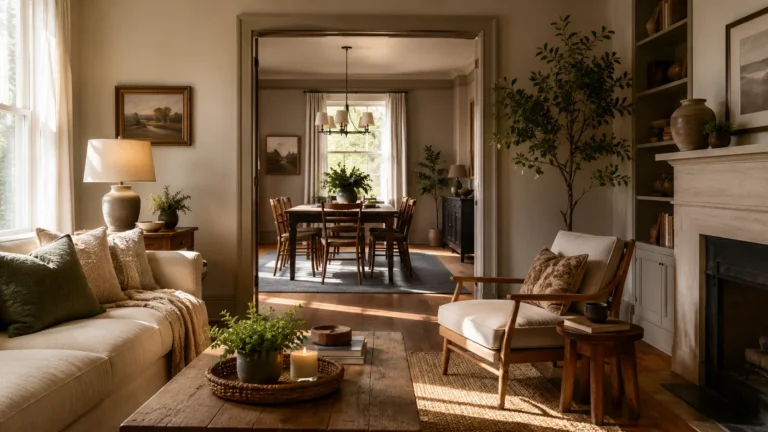
Traditional formal rooms often existed to be admired rather than used. The furniture was carefully aligned, decorative objects stayed untouched, and guests entered only when an occasion seemed important enough. Modern entertainment spaces reject that distance. They can still be beautiful, but their beauty comes from use: a stack of books beside a chair, glasses within easy reach, records that rotate through the week, or a tray that carries the evidence of a slow Sunday morning. These signs of life make the room more inviting because they communicate that enjoyment is allowed here.
This does not mean embracing clutter without limits. The goal is to make useful and meaningful items visible while allowing less attractive necessities to disappear. A bar can display a few sculptural bottles while hiding bulk supplies in a drawer. A media wall can show books, ceramics, and art while keeping cables and routers behind ventilated panels. A coffee station can leave the daily grinder accessible but store spare filters and cleaning tools out of sight. The result feels relaxed because the space is organized around real behavior rather than staged perfection.
The Rise of Small, Purposeful Entertainment Zones
Not every home has room for a dedicated cinema, game room, or full bar, and the current movement does not depend on having one. In fact, some of the most compelling entertainment spaces are compact. A narrow cabinet in a dining room can become an evening drinks station, while a corner of a bedroom can hold a turntable, a lamp, and one deeply comfortable chair. An unused section of a hallway can become a tea counter, and a window seat can turn into a screen-free retreat. What matters is not square footage but clarity of purpose.
A successful small zone usually has a clear beginning and end. This can be created through a change in wall color, a rug, a pendant light, a built-in niche, or a piece of furniture that visually anchors the activity. The boundary helps the brain recognize that the area has a different function from the surrounding room. Stepping into it can feel like changing modes, even if the distance traveled is only a few feet. That subtle transition is especially valuable in open-plan homes, where daily activities can otherwise blur into one continuous environment.
Compact zones also make personal expression easier. Designing an entire living room around a bold interest may feel overwhelming, but a small record corner can carry richer color, unusual materials, or objects collected over time. A game table can introduce vintage lighting and tactile upholstery without controlling the whole house. A coffee cabinet can feel almost jewel-like, with dark timber, reflective metal, and carefully arranged cups. Because the footprint is limited, homeowners can afford to make the experience more detailed and emotionally specific.
The Coffee Station as a Morning Destination
The coffee station has become one of the clearest examples of entertainment turning into ritual. It transforms a functional task into a short sequence: choosing a cup, grinding beans, hearing water heat, and waiting for the first pour. When these tools are grouped thoughtfully, the morning becomes less scattered. The station can also reduce traffic in the main cooking area, especially in a busy household. More importantly, it gives the day a recognizable starting point that does not depend on immediately opening a laptop or phone.
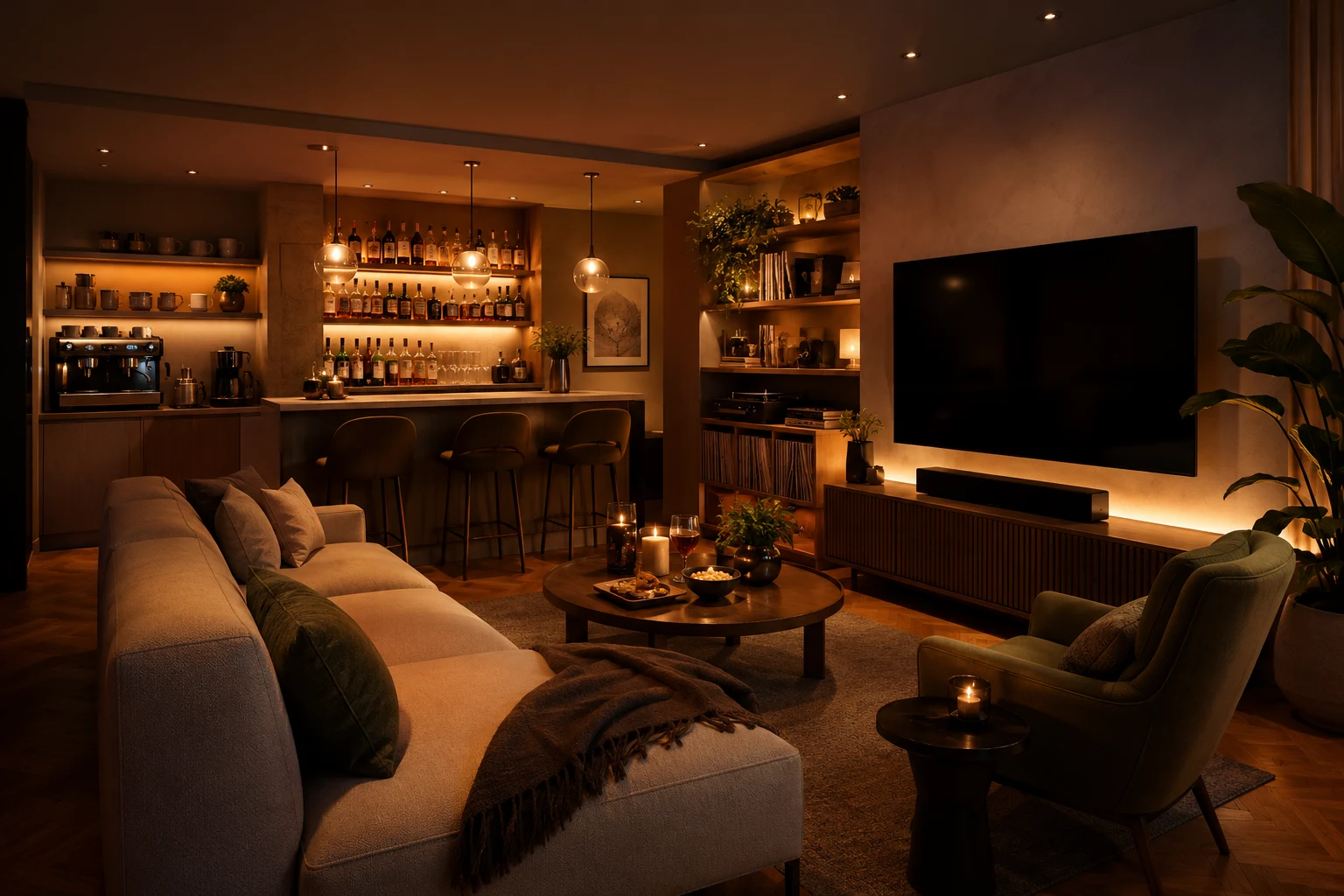
Good coffee-station design is built around movement. Cups should sit near the machine, spoons and filters should be reachable, and water access should be simple enough that the ritual never feels like a chore. Lighting matters because many people use the area before the rest of the home is fully awake. A warm under-cabinet glow can create a softer atmosphere than overhead lighting, while natural materials keep the station from feeling like a row of appliances. The best version feels efficient without losing the sensory pleasure that makes the routine meaningful.
The Home Bar as a Social Pause
The contemporary home bar is also moving beyond its old reputation as a symbol of excess. It is increasingly designed as a place for hospitality, conversation, and transition. Preparing a drink gives hosts and guests something to do together, which can soften the awkward opening minutes of a gathering. The bar may serve cocktails, but it can just as easily support sparkling water, tea, nonalcoholic drinks, or an afternoon espresso. Its real value comes from creating a reason to gather around a shared action.
Visually, these spaces often feel richer than the rooms around them. Darker cabinetry, stone surfaces, metal details, mirrors, and focused lighting can create a sense of occasion without requiring a separate room. Yet practical details remain essential, including washable surfaces, storage for different glass sizes, and enough preparation space to prevent the ritual from becoming messy. A beautiful bar that is difficult to use will soon become decoration. A thoughtful one becomes part of the household’s rhythm, even when only one person is making a simple evening drink.
Technology Is Learning to Disappear
Technology remains central to many entertainment spaces, but its visual dominance is weakening. Large black screens and exposed speaker systems can make a room feel inactive whenever the equipment is off. Newer layouts attempt to integrate technology into a wider composition of art, shelves, lighting, and architectural details. Screens may sit inside darker walls, hide behind sliding panels, or display artwork when not in use. Speakers can be built in, placed behind acoustically transparent fabric, or selected for forms that feel more like objects than machines.
This quieter approach does not reject technology; it puts technology in service of atmosphere. Controls should be simple enough that starting music or adjusting lighting does not interrupt the mood. A complicated system that requires several apps can quickly undermine the calm it was meant to create. Physical controls are therefore returning in subtle ways, from dimmer switches to tactile volume knobs and clearly labeled scene buttons. The most satisfying smart home features often feel almost invisible because they remove friction without demanding attention.
Sound quality is also being considered more carefully. Instead of chasing maximum volume, homeowners are paying attention to clarity, warmth, and how audio travels through shared rooms. Soft furnishings, curtains, rugs, books, and timber surfaces can improve acoustics while making the space feel more comfortable. This is another example of technical performance and emotional design moving closer together. A room that sounds good often feels good because echoes are reduced, conversations are easier, and music becomes present without becoming aggressive.
Lighting Turns Leisure Into Atmosphere
Lighting may be the most powerful tool in the ritual-based entertainment space. The same room can feel practical at noon, intimate at sunset, and cinematic after dark simply by changing which lights are used. Relying on one bright ceiling fixture makes those transitions difficult. Layered lighting, including table lamps, wall lights, shelf illumination, and discreet floor-level sources, gives the room emotional range. It allows people to shape the environment around what they are doing rather than accepting a single default mood.
The act of changing the lights can become part of the ritual itself. Turning off overhead lighting before a film tells the mind that the day’s active period is ending. Switching on a small lamp beside the record player creates a visual center for listening. Illuminating a bar shelf while keeping the rest of the room soft signals that conversation is about to begin. These changes may seem minor, but repeated environmental cues help ordinary activities feel distinct and memorable.
Warm light is especially popular in spaces intended for evening use because it softens edges and flatters natural materials. However, warmth should not come at the cost of visibility. Preparation counters, game tables, and reading chairs still require focused light for comfort and safety. The strongest designs combine practical task lighting with lower ambient light, allowing the user to adjust the balance. This flexibility ensures the space remains useful instead of becoming a moody photograph that fails in daily life.
Material Choices Make the Ritual Feel Real
Ritual depends heavily on the senses, so materials play a larger role than they might in a purely visual room. Wood brings warmth and changes character as it ages, while stone gives preparation surfaces a reassuring sense of weight. Fabric absorbs sound and makes seating feel more inviting. Metal can add a small flash of ceremony through handles, trays, lighting, or bar tools. When these materials are used together with restraint, the entertainment area feels grounded rather than overly themed.
Tactility matters because these spaces are meant to be handled. A cabinet door that closes smoothly, a substantial glass, a comfortable chair arm, or a textured coaster can make repeated actions more satisfying. This is not about buying the most expensive version of every object. It is about choosing details that improve with use and feel pleasant enough to become familiar. Everyday luxury often comes from consistency and care rather than from rarity.
Durability is equally important. Entertainment involves spills, fingerprints, heat, crumbs, and frequent movement, so fragile surfaces can create unnecessary anxiety. Materials should support relaxation rather than force everyone to behave like museum visitors. Sealed timber, washable textiles, resilient stone, and easy-to-clean finishes allow the space to be used freely. A room designed for enjoyment should not make people afraid of leaving evidence that they enjoyed it.
A New Kind of Social Space
The upgraded entertainment zone is changing how people host. Large formal gatherings are giving way to smaller, more fluid moments that feel easier to arrange. Friends might gather around a kitchen bar before dinner, move to a listening area afterward, and finish the evening with cards at a small table. Each zone supports a different pace of conversation without requiring a huge home. The design gives people natural reasons to move, pause, and reconnect in smaller groups.
This creates a more participatory form of hospitality. Guests are not simply seated in front of a screen while the host disappears into another room. They can help choose music, prepare drinks, grind coffee, deal cards, or arrange snacks. Shared activity reduces pressure because conversation does not need to carry the entire event. The room provides a gentle structure, allowing connection to develop through doing rather than constant performance.
At the same time, the space must also work when no guests are present. Designing only for company can leave a room unused for most of the year. A better approach begins with the household’s daily life and then expands outward. If the bar works as a tea station on quiet nights, the game table doubles as a place for puzzles, or the media area supports reading when the screen is off, the investment feels more reasonable. Daily relevance is what turns an entertainment feature into a lasting part of the home.
Solo Leisure Deserves Better Design
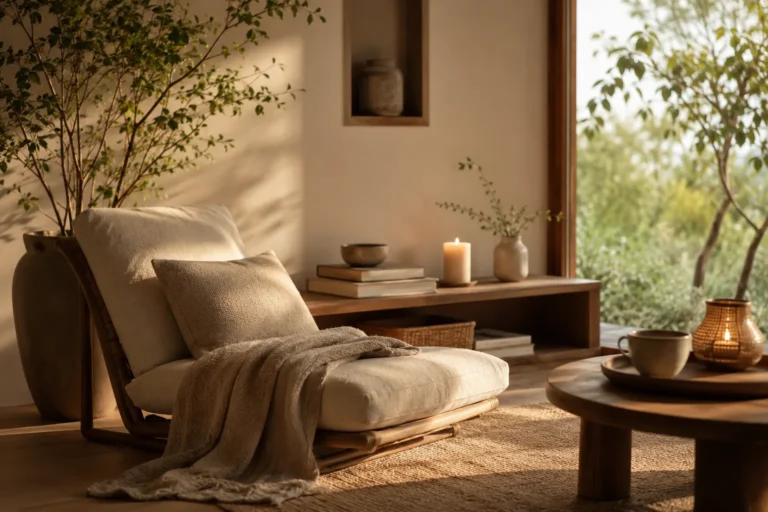
Not every ritual needs to be social. One of the most meaningful changes in home design is the recognition that time spent alone can be designed with the same care as time spent entertaining others. A listening chair, a small gaming setup, a reading nook, or a private movie corner can create space for recovery without requiring complete isolation from the household. These areas allow a person to step away while still feeling connected to home. They support solitude as a positive practice rather than treating it as leftover time.
Solo entertainment spaces are most successful when they reduce decision fatigue. The book is within reach, the headphones have a place to charge, the blanket is stored nearby, and the lighting can be changed without standing up. These details may sound ordinary, yet they determine whether a ritual becomes regular. When the setup is inconvenient, people return to the easiest option, which is often scrolling on a phone. Thoughtful design creates a better default.
This idea connects entertainment with wellness in a practical way. Rest is not always passive, and recovery does not need to look like doing nothing. Listening closely to music, making tea, watching a familiar film, or completing a puzzle can give attention a softer focus. These activities create distance from work without demanding another form of achievement. A well-planned entertainment zone gives those moments a physical home, making them easier to protect from the noise of the day.
How to Design a Ritual-Based Entertainment Area
The strongest starting point is not a shopping list but a repeated behavior. Homeowners should notice what they already enjoy doing and where that activity currently becomes awkward. Perhaps coffee supplies are scattered across three cabinets, music is always played through a phone speaker, or guests gather around a kitchen counter because the formal living room feels too stiff. These patterns reveal where design can support real life. Building around an existing habit is more likely to create a lasting space than copying a trend without context.
Next comes the sequence of the ritual. Every activity has a beginning, a middle, and an end, and the space should accommodate each stage. A record corner needs storage for albums, a comfortable place to listen, and somewhere to place the sleeve while the record plays. A drinks station needs preparation space, serving tools, and a simple cleanup plan. Thinking through the full sequence prevents attractive details from interfering with function.
The final layer is atmosphere. Color, lighting, sound, scent, and texture should reinforce the feeling the ritual is meant to create. A morning station may benefit from natural light and pale wood, while an evening listening area might feel better with deeper tones and softer illumination. There is no universal formula because the emotional goal differs from one household to another. The key is consistency: every choice should help the space feel like a destination, even when it sits inside a larger room.
The Future of Home Entertainment Feels More Human
The rise of ritual-based entertainment suggests that people are becoming more selective about what deserves space in their homes. A room is no longer valuable simply because it contains expensive equipment or follows a recognizable style. It must support a feeling, a habit, or a relationship that matters. This is why a tiny coffee corner can have more emotional impact than an oversized media room that is rarely used. The future belongs to spaces that earn their place through daily relevance.
That future is also less focused on spectacle. Entertainment does not have to mean louder sound, larger screens, or more elaborate technology. It can mean listening more carefully, hosting more comfortably, or making the transition from work to rest feel intentional. The home becomes richer when pleasure is built into the architecture of ordinary life. Small actions gain weight because the environment encourages people to notice them.
Ultimately, the modern home entertainment space is becoming a tool for shaping time. It helps mornings begin with focus, evenings slow down, and gatherings feel less formal but more connected. By combining useful storage, adaptable lighting, tactile materials, and technology that knows when to disappear, these zones turn routine activities into experiences people genuinely anticipate. Their success is not measured by how impressive they look when empty, but by how naturally people return to them. As homes continue to prioritize wellness, slow living, and better everyday spaces, entertainment will feel less like escape and more like a meaningful way of being present.