
Historic Home Design Makes New Homes Feel Human
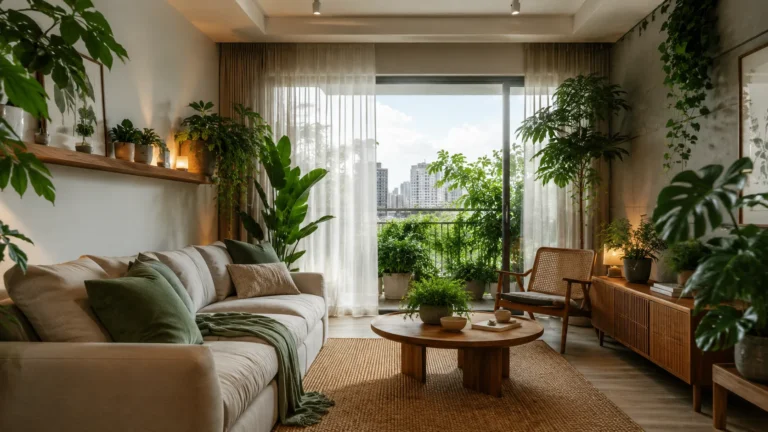
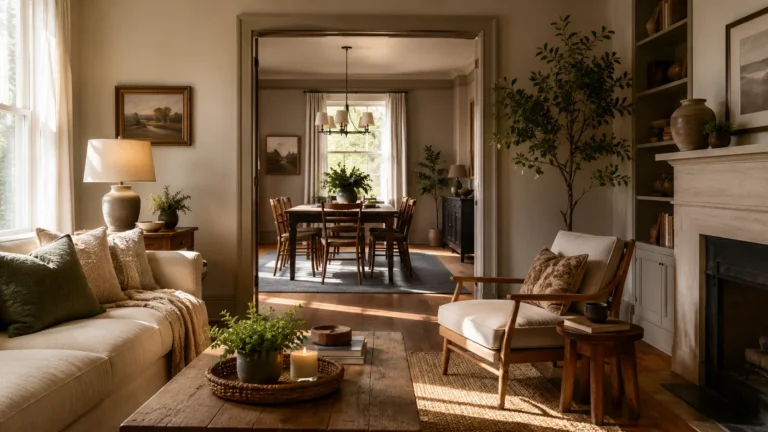
The clean, ultra-modern house once felt like the ultimate flex, but in 2026, the mood is shifting toward something warmer, softer, and more lived-in. Homeowners are falling for spaces that look like they have stories, even when the keys were handed over just months ago. That is why historic home design is becoming one of the most talked-about directions in residential style, especially for people who want comfort without giving up modern convenience. Instead of chasing glass-box perfection, new homes are borrowing from old cottages, brownstones, farmhouses, villas, and early suburban builds to create rooms that feel settled from day one. The result is a fresh kind of luxury where character matters as much as square footage, and the best homes feel less like showrooms and more like places where life can actually slow down.
Why New Homes Are Looking Older in 2026
The rise of older-looking new homes did not come out of nowhere. After years of smooth walls, open-plan sameness, and interiors designed mainly for clean photos, people are craving spaces with more emotional texture. A house that feels too perfect can become strangely exhausting because every surface seems to demand tidiness, restraint, and constant maintenance. By contrast, a home with arches, wood grain, paneled walls, vintage-inspired hardware, and layered corners gives everyday life more permission to be imperfect. In 2026, that sense of imperfection is not seen as a flaw, but as a sign that a space can hold routines, memories, quiet mornings, messy dinners, and real human pace.
This trend also reflects a bigger cultural fatigue with disposable design. People have watched furniture cycles move at the speed of fashion, where one silhouette dominates social feeds for six months and then suddenly feels overused. Older homes, or new homes designed with older details, offer a counterpoint because they feel less tied to one viral moment. A curved doorway, a built-in bookcase, a limestone fireplace, or a classic checkerboard floor can survive several trend cycles without looking out of place. That longevity is part of the appeal, especially for homeowners who want to invest in spaces that will still feel graceful years from now.
There is also a wellness angle hiding inside the aesthetic shift. When a home feels grounded, layered, and familiar, it can help the body relax in ways that a cold, echoing space often does not. Warm materials, softer transitions, and rooms with defined purposes can make daily rituals feel more intentional. Instead of one giant space doing everything at once, the older-home mindset allows for reading corners, breakfast nooks, mudrooms, sitting rooms, garden-facing windows, and small zones of privacy. For a site like home design, this movement matters because it connects visual style with the deeper question of how a house supports a better everyday life.
The Comfort Factor Behind Historic Home Design
At the center of historic home design is comfort, but not the kind of comfort that comes only from oversized sofas and soft blankets. This is comfort created through proportion, material, memory, and rhythm. Older houses often have details that make people feel oriented, such as window trim, ceiling beams, door casings, baseboards, alcoves, and small architectural pauses between rooms. When builders bring those features into new homes, they give the space a sense of presence that flat drywall alone cannot create. The house begins to feel less like a container and more like a companion to daily life.
One reason this design language feels so welcoming is that it breaks the tension of too much openness. For a long time, the dream home was imagined as one vast main floor where kitchen, living room, dining room, office space, and entertainment area blended into one uninterrupted zone. That layout can be beautiful, but it can also become noisy, visually busy, and difficult to truly unwind in. Older-inspired homes bring back partial separation, allowing different activities to have different moods without making the house feel closed off. A framed kitchen entry, a pocket door, or a cozy den can create boundaries that support focus, rest, and connection in more balanced ways.
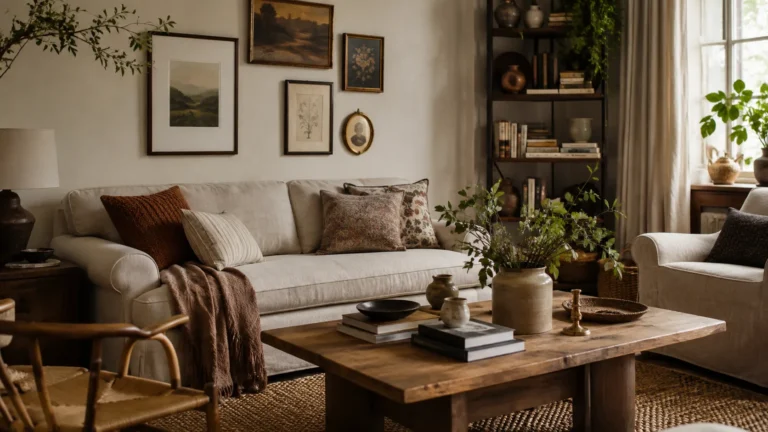
The comfort also comes from materials that age well instead of materials that fear every scratch. Natural wood, stone, brick, plaster, unlacquered brass, ceramic tile, and linen all develop character over time, which makes them ideal for homes meant to feel alive. A floorboard with subtle variation or a metal handle that slowly changes tone can make the house feel personal rather than damaged. This is a major contrast to glossy surfaces that often look best only when untouched. In a slower home, wear is not always something to hide, because it can become part of the room’s evolving story.
Character Is Becoming the New Status Symbol
The idea of status in home design is changing. In the past, many people associated luxury with newness, shine, scale, and obvious expense. Now, a quieter kind of status is emerging, where the most desirable homes are the ones that look collected, thoughtful, and impossible to copy in one weekend. A room with a vintage cabinet, a handmade tile backsplash, a framed family photograph, and a custom reading bench can feel more aspirational than a space filled with brand-new matching pieces. This is why old house style has become so powerful even inside new construction, because it suggests taste, patience, and care rather than just budget.
That shift is especially visible among younger homeowners and renters who grew up online but are now pushing back against rooms that feel designed only for content. They still care about aesthetics, but they want homes that feel good offline. A house that photographs beautifully is nice, but a house that makes Sunday morning feel slower is better. Historic-inspired interiors answer that desire by adding depth, coziness, and a sense of discovery to ordinary spaces. Every built-in shelf, window seat, patterned floor, or softly painted trim becomes a detail that invites someone to stay a little longer.
How Old-House Details Are Entering New Builds
New homes are not simply copying the past in a flat or costume-like way. The strongest version of this trend blends historic references with the comfort, efficiency, and performance people expect today. That means a home might have classic exterior proportions, divided-light windows, deep eaves, traditional siding, and a welcoming porch while still using modern insulation, smart climate systems, energy-efficient glass, and contemporary floor planning. Inside, the same balance appears through timeless trim, cozy room shapes, vintage-inspired lighting, and flexible storage that supports modern routines. The magic happens when the old details feel integrated, not pasted on as decoration after the fact.
Architectural details are doing a lot of the heavy lifting. Arches are replacing sharp transitions in some homes because they soften movement from one area to another. Wall paneling, beadboard, and picture-frame molding are returning because they give plain rooms a sense of craftsmanship. Built-in shelving and banquette seating are becoming popular because they make a room feel planned around life rather than furniture placement alone. These elements may seem small individually, but together they create a house that feels established, warm, and rooted before anyone even hangs the first piece of art.
Exteriors are changing too, and this may be where the trend is easiest to spot. More homeowners are drawn to facades that feel familiar, with pitched roofs, dormer windows, shutters, brick paths, covered entries, and gardens that soften the line between house and street. The front porch is especially important because it brings back a social, neighborly feeling that many newer developments have lost. Even in compact urban homes, a small stoop, a planted entry, or a layered doorway can create a sense of welcome. In 2026, curb appeal is less about looking expensive from the road and more about looking like someone would want to come inside and take their shoes off.
The Kitchen Is Getting Softer and More Personal
The kitchen is one of the clearest examples of this return to character. For years, the dominant kitchen look leaned clean, bright, and controlled, often with white cabinets, sleek stone, minimal hardware, and hidden storage. That style still has fans, but many homeowners are now asking for kitchens that feel more like working rooms than polished display spaces. Freestanding-style cabinets, plate racks, skirted storage, warm woods, soapstone counters, unlacquered metals, and mismatched finishes are making kitchens feel more human. Instead of looking untouched, the 2026 kitchen wants to look ready for coffee, chopping, conversation, and a slightly imperfect dinner with friends.
This softer kitchen style also supports the broader slow-living mood. When the kitchen feels less sterile, cooking can feel less like a task and more like a ritual. Open shelving with everyday ceramics, a small lamp on the counter, a breakfast nook near a window, or a wooden table at the center of the room can change how people move through their day. The goal is not to make the kitchen old-fashioned in a limiting way, but to make it warmer and more emotionally useful. A kitchen with character can still hold modern appliances, but those appliances no longer have to dominate the room’s personality.
Slow Living Turns the Home Into a Daily Retreat
The popularity of old-looking new homes is closely tied to slow living, which has moved from a niche lifestyle phrase into a practical design principle. People want homes that help them leave the rush outside, even if their schedules are still busy. This does not mean every house needs to look rustic, remote, or minimalist. It means the home should create moments of ease through layout, lighting, texture, scent, sound, and routine. Historic home design works well for this because it naturally encourages smaller rituals and more intentional spaces.
In a slow-living home, the entryway matters because it becomes the moment where the day changes pace. A bench, a row of hooks, a tiled floor, a soft wall color, and a place for keys can turn arrival into a calming transition rather than a pileup of bags and shoes. The same thinking applies to bedrooms, bathrooms, laundry areas, and even hallways. Older homes often gave these spaces more identity, while some modern homes treated them as purely functional passages. Bringing back detail and atmosphere to these overlooked zones can make the entire home feel more supportive.
Lighting is another major part of the slow-home feeling. Bright overhead lighting can make a home feel practical but not always peaceful, especially in the evening. Older-inspired interiors often use layered lighting, including sconces, table lamps, picture lights, shaded pendants, and candle-like warmth to create mood at different times of day. This kind of lighting helps rooms shift naturally from morning productivity to evening rest. It also makes architectural details feel richer, because shadows and softness reveal texture in a way flat brightness cannot.
Wellness Is Moving Beyond the Bathroom
Wellness design used to be easiest to spot in bathrooms, where spa showers, soaking tubs, stone finishes, and soft towels became symbols of personal care. Now, that thinking is spreading across the whole house. A reading corner can be wellness design if it helps someone disconnect from screens. A garden-facing desk can be wellness design if it makes work feel less draining. A quiet breakfast nook can be wellness design if it gives the morning a calmer start. The older-home revival supports this because it creates rooms and corners with emotional purpose, rather than assuming one open area can solve every need.
This wider wellness mindset is making homeowners more aware of sensory details. They are thinking about how floors feel under bare feet, how sound travels between rooms, how natural light moves through the day, and how materials affect mood. A plaster wall, linen curtain, woven rug, or aged wood table may seem like a style choice, but it can also change the sensory temperature of a home. Rooms with depth and softness tend to feel less harsh on the nervous system. That is why the most comfortable homes of 2026 are not just pretty; they are designed to help people exhale.
The Nostalgia Trend Without the Time Capsule Effect
The challenge with nostalgia is that it can easily turn into imitation. Nobody wants a new home that feels like a theme park version of the past, where every detail is too literal and nothing feels connected to present-day life. The best designers are avoiding that trap by choosing references carefully and mixing them with clean, practical choices. A traditional facade can work with a modern interior flow, and a vintage-inspired bathroom can still include efficient plumbing and smart storage. The point is not to live in another century, but to borrow the emotional intelligence of older spaces.
This is where restraint becomes important. A home does not need every historic detail at once to feel character-rich. In fact, too many references can make a room feel crowded or artificial. A stronger approach is to choose a few architectural moves that match the home’s setting, then let furniture, textiles, art, and daily objects build the rest of the atmosphere over time. That slower method keeps the house from feeling staged, while still giving it enough structure to feel special from the beginning.
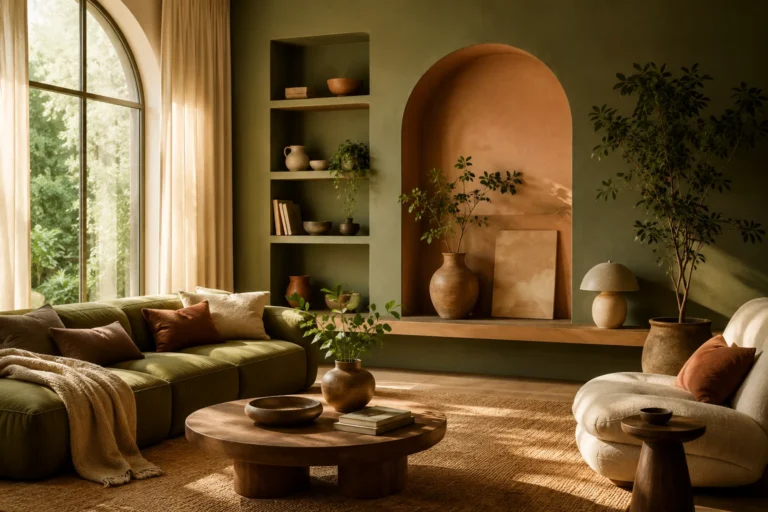
Color also plays a major role in keeping nostalgia fresh. Instead of copying dark, heavy interiors exactly, many homeowners are using heritage-inspired shades in lighter, more flexible ways. Cream, clay, sage, muted blue, mushroom, ocher, dusty rose, deep green, and warm brown can all bring old-soul energy without making a room feel dated. These colors work especially well with natural materials and imperfect textures. They create a lived-in backdrop that feels calm in the morning, cozy at night, and forgiving throughout the day.
Why This Trend Fits Smaller Homes Too
One of the most useful things about this movement is that it is not only for large custom houses. Renters, apartment dwellers, and owners of smaller homes can also bring in the feeling of historic home design without changing the entire structure. A vintage mirror, fabric lampshade, wood cabinet, classic rug, framed art, ceramic lamp, or antique-style hardware can shift the mood of a room quickly. Even peel-and-stick picture molding, soft curtains, and warmer bulbs can make a simple space feel more layered. The trend works because it is based on feeling, not just architecture.
Small homes can actually benefit more from old-house thinking because every detail has more impact. When square footage is limited, a built-in bench with storage can create both charm and function. A tiny dining nook can feel intentional with the right light fixture and wall treatment. A hallway can become memorable with art, a narrow shelf, or a soft paint color instead of being ignored. Older homes often made efficient use of compact spaces, and that lesson feels especially relevant as people look for homes that are beautiful, manageable, and realistic.
This is also why the trend connects with better everyday spaces rather than just luxury design. Many people are not trying to build dream estates; they are trying to make ordinary rooms feel better to live in. They want rental bedrooms that feel settled, kitchens that encourage real meals, desks that do not drain them, and living rooms that help them reconnect at the end of the day. Historic-inspired choices can support those goals because they add warmth without requiring constant replacement. A home becomes better not because it is bigger, but because it is more thoughtful.
The Sustainability Side of Old-Soul Homes
There is a sustainability story inside this design shift, even when the home itself is newly built. When people choose materials, layouts, and details that feel timeless, they are less likely to rip them out after a few years. That reduces waste and encourages a more responsible relationship with renovation. The same mindset also supports vintage shopping, furniture restoration, local craftsmanship, and better-quality pieces that can move from one home to another. In a culture trained to refresh constantly, choosing a slower design language can become a quiet form of resistance.
Older-looking homes also tend to celebrate repairability. A wooden table can be sanded, a brass knob can be polished or left to patina, a slipcovered chair can be washed, and a stone surface can age with dignity. These choices are different from fragile finishes that lose their appeal the moment they show wear. The home becomes less dependent on perfection and more connected to maintenance, care, and continuity. That makes the trend feel practical as well as emotional, because a comfortable home should be able to handle real life without falling apart visually.
For homeowners thinking long-term, timelessness can also protect value. A house that looks too tied to a single trend may feel dated quickly, while a home with classic proportions and natural materials can remain appealing across generations. This does not mean every design choice should be safe or neutral. Personality still matters, and memorable homes need moments of surprise. But when the foundation is grounded in lasting principles, homeowners have more freedom to update smaller details without losing the soul of the space.
How to Bring Historic Home Design Into Daily Life
Bringing historic home design into a home starts with observation, not shopping. The first step is to notice which spaces already feel good and which ones feel flat, rushed, or disconnected. Sometimes a room does not need a full makeover; it needs a better lamp, a warmer wall color, a more comfortable chair, or a visible place for meaningful objects. The goal is to build atmosphere slowly, allowing the home to reflect real habits instead of forcing a complete personality overnight. This is what separates slow decorating from trend-chasing, because the room grows through attention rather than impulse.
Architectural details can be added gradually, especially in homes that begin as plain boxes. Trim around windows, upgraded door hardware, wall molding, ceiling medallions, classic tile patterns, and built-in shelving can all add quiet character. However, it is important to choose details that make sense together, because a home feels more authentic when its elements speak the same language. A coastal cottage reference may not blend easily with a formal city townhouse detail unless the mix is handled carefully. The best approach is to create a mood board based on feeling first, then edit until the home has a clear and natural rhythm.
Furniture should also feel collected rather than instantly matched. A new sofa can sit beside an old side table, a modern mattress can be paired with a vintage headboard, and a simple dining room can gain warmth from mismatched chairs with similar tones. This mix keeps rooms from feeling like catalog pages and gives them a more personal pulse. Textiles are especially useful because they add softness without requiring structural change. Linen curtains, wool rugs, cotton quilts, embroidered pillows, and woven shades can make even a new apartment feel more grounded.
The Everyday Details Matter Most
The most convincing old-soul homes pay attention to the objects people touch every day. Door handles, cabinet pulls, light switches, faucets, hooks, shelves, and seating all shape the daily experience of a house. When those details feel pleasant, solid, and intentional, the home becomes more satisfying in small but constant ways. This is why hardware and lighting often have an outsized effect on the mood of a space. They may not be the biggest features in the room, but they are part of the home’s daily conversation with the people who live there.
Scent, sound, and routine also complete the atmosphere. A home can look historic and still feel empty if it does not support the rhythms of living. The smell of coffee in the kitchen, the sound of rain near a reading chair, the quiet of a bedroom without harsh light, and the ritual of watering plants near a sunny window all help transform design into experience. This is where cozy home trends and slow living become more than aesthetics. They become a way of choosing what kind of days the home should make possible.
What the Trend Says About Modern Life
The return of older-looking new homes says a lot about what people are missing in modern life. Many daily environments are fast, digital, temporary, and optimized for speed. Work happens on screens, shopping happens through apps, and social life often moves through platforms that refresh before anyone can fully settle. Against that background, the home is being asked to do more emotional work than ever. It needs to be a shelter, a reset button, a creative space, a wellness zone, and a reminder that life does not have to feel permanently accelerated.
This is why the trend feels deeper than surface nostalgia. People are not simply saying they want old houses because old houses are charming. They are saying they want homes with patience built into them. They want rooms that encourage slower meals, better sleep, softer evenings, and more meaningful connection. The design language of the past happens to offer many tools for that future, from defined rooms to natural materials to details that reward close attention.
There is also an emotional safety in homes that feel familiar. A pitched roof, a warm entry, a window seat, or a garden path can trigger memories even for people who never lived in a house exactly like that. These shapes and details belong to a shared visual language of comfort. Designers are tapping into that language because it helps new homes avoid the blankness that can make contemporary spaces feel anonymous. In a world where so much feels temporary, a home that appears rooted can feel quietly radical.
Conclusion: The Future of Home Feels Familiar
The rise of historic home design in 2026 shows that the future of housing may not look as futuristic as people once imagined. Instead of chasing colder minimalism or louder novelty, many homeowners are choosing warmth, memory, texture, and emotional durability. They want new homes with old souls, spaces that offer modern comfort while still feeling connected to craft, routine, and time. This does not mean design is moving backward, because the best version of the trend is not about copying the past exactly. It is about taking what older homes understood so well and translating it for the way people live now.
In the end, a comfortable home is not defined by age alone. A century-old house can feel lifeless if it is stripped of warmth, and a brand-new house can feel soulful if it is designed with care. What matters is whether the space supports real living, invites people to slow down, and gives everyday rituals a better setting. That is why the new love for older-looking homes feels less like a passing aesthetic and more like a lifestyle correction. As 2026 unfolds, the most desirable homes may be the ones that feel like they have already been waiting patiently for us to arrive.