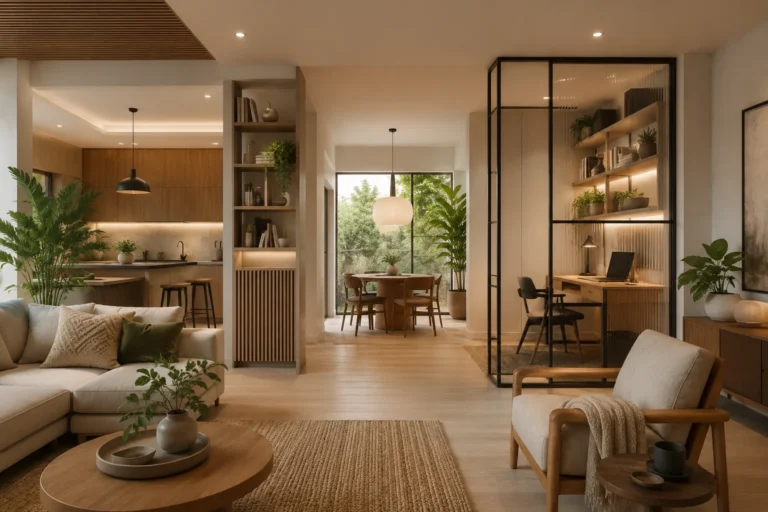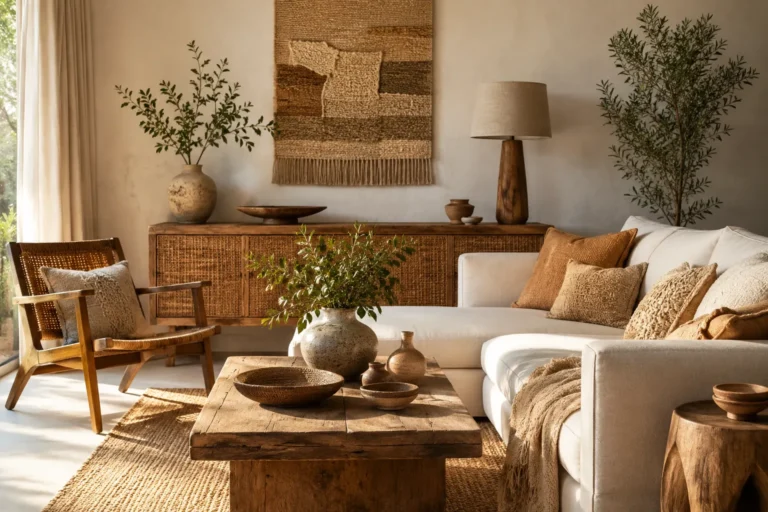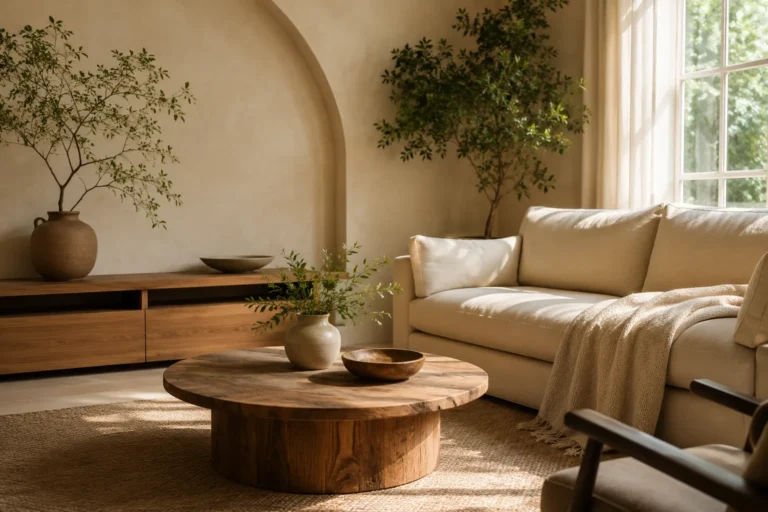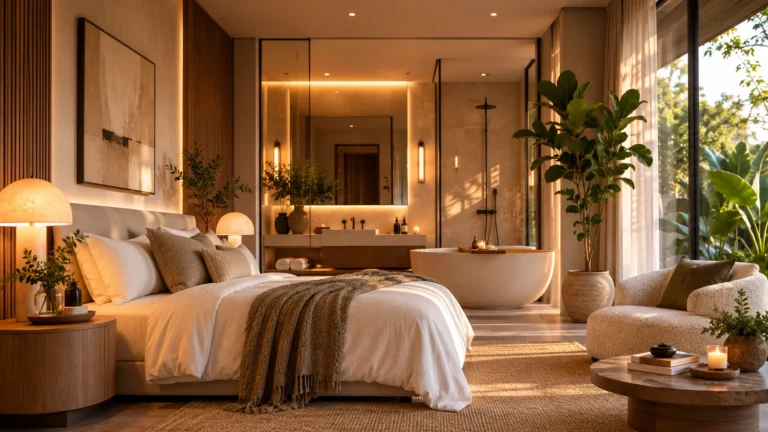
Calm Home Design Makes Daily Life Feel Easier
There is a reason the idea of calm home design is suddenly hitting harder than another perfect room makeover on a social feed. People are tired, overstimulated, and quietly done with houses that look beautiful but make daily life feel like a scavenger hunt. A peaceful home today is not just about soft colors, expensive candles, or a couch that photographs well in afternoon light. It is about removing friction from the little rituals that shape the day, from finding your keys in the morning to making dinner without opening six drawers just to locate one spoon. In a world where work notifications, errands, heat, noise, and digital clutter already ask too much from the brain, the home is becoming less of a showroom and more of a recovery zone.
The interesting part is that this shift does not feel like a luxury trend anymore. It feels practical, almost obvious, once you notice how much emotional weight messy systems carry inside a home. The pile of shoes by the door is not just a pile of shoes; it is a tiny delay every time someone enters or leaves. The overstuffed cabinet is not just storage; it is a daily reminder that the space is working against the people living in it. That is why anti-fuss interiors are gaining attention, because they promise something deeper than visual calm. They offer the kind of quiet that comes from a room knowing exactly what it is supposed to do.
Why Calm Home Design Is Becoming a Daily Need
The rise of calm home design is connected to a bigger lifestyle reset, especially as people spend more time thinking about how their environment affects focus, mood, sleep, and energy. For years, interior inspiration often leaned toward more: more decor, more statement pieces, more open shelving, more styling, more seasonal updates. That approach can be fun, but it can also turn a room into a place that constantly demands maintenance. When every surface needs arranging and every corner needs to stay camera-ready, home begins to feel like another performance. A calmer approach flips the script by asking what can be simplified, what can be softened, and what can quietly support real life without needing constant attention.
This is where the anti-fuss part becomes important, because the most relaxing homes are rarely the ones with zero personality. They are the ones with fewer unnecessary obstacles. A chair placed where people actually sit will always beat a decorative chair that blocks the walkway. A drawer organizer that makes mornings smoother will always beat a beautiful basket that becomes a secret chaos bin. A softer lighting plan can change the mood of an evening more than an expensive accent wall ever could. The goal is not to erase style, but to make style behave like a helper instead of another task on the list.
Modern life has made this kind of design feel urgent because attention is now one of the most valuable things people have. Every object in a room either supports attention or steals a little piece of it. A loud pattern in the wrong place, a tangled cable corner, a hallway with no drop zone, or a bedroom filled with work-related items can keep the mind slightly switched on even when the body is trying to rest. Over time, those tiny signals stack up and make a home feel busier than it looks. That is why a calm interior is less about emptiness and more about reducing the number of decisions a room forces people to make.
The Anti-Fuss Home Starts with Fewer Decisions
An anti-fuss home begins by noticing where life repeatedly gets stuck. It might be the entryway where bags land on the floor because there is no hook nearby. It might be the kitchen counter that becomes a paper pile because bills, receipts, and random notes have no official place to go. It might be the bedroom chair that has slowly evolved into a second closet, silently collecting clothes that are not clean enough for the wardrobe but not dirty enough for laundry. These are not personal failures, even though people often treat them that way. They are design problems, and design problems can be solved with systems that feel natural instead of strict.
The best systems are the ones that match behavior instead of fighting it. If everyone drops keys near the door, the solution is not a lecture about discipline; it is a tray, shelf, or wall hook exactly where the keys already land. If blankets always migrate to the sofa, a nearby basket can turn visual mess into intentional comfort. If chargers always disappear, a small charging station can remove a daily annoyance without making the space look like a tech counter. This is why better everyday spaces are often built from small observations rather than big renovations. Calm design becomes powerful when it respects the way people actually live.
There is also a mental health angle here, even if the design world sometimes talks about it too softly. Decision fatigue is real, and homes can either add to it or absorb some of it. A closet arranged by use, a pantry grouped by routine, and a bathroom shelf with only the products used every day can make mornings feel less chaotic before the day has even started. These changes may look minor from the outside, but they create a sense of trust between people and their spaces. When a home is predictable in a gentle way, the nervous system does not have to stay on alert for every missing item or unfinished corner.
Storage That Supports Real Life
Storage is one of the biggest reasons a home feels peaceful or stressful. Too little storage creates clutter, but the wrong kind of storage creates a different problem: hidden clutter that returns every time a cabinet opens. The calmest homes do not always have more storage; they have storage that is easy to use on a tired day. Open baskets near high-traffic areas, shallow drawers for frequently used items, and labeled containers for shared spaces can make routines smoother without turning the house into a museum of organization. The point is not to make every shelf perfect, but to make the most repeated actions feel almost automatic.
Good storage also has to be honest about what belongs in the room. A living room does not need to store every hobby, every seasonal object, and every backup cable unless those things are genuinely used there. A bedroom should not become the overflow department for the entire house just because the door can close. When rooms carry too many unrelated jobs, they start to lose their mood. A calm living room should invite rest and conversation, while a calm bedroom should protect sleep and privacy. This kind of zoning is a simple design principle, but it can change the emotional temperature of a home quickly.
Color, Light, and Texture in Calm Home Design
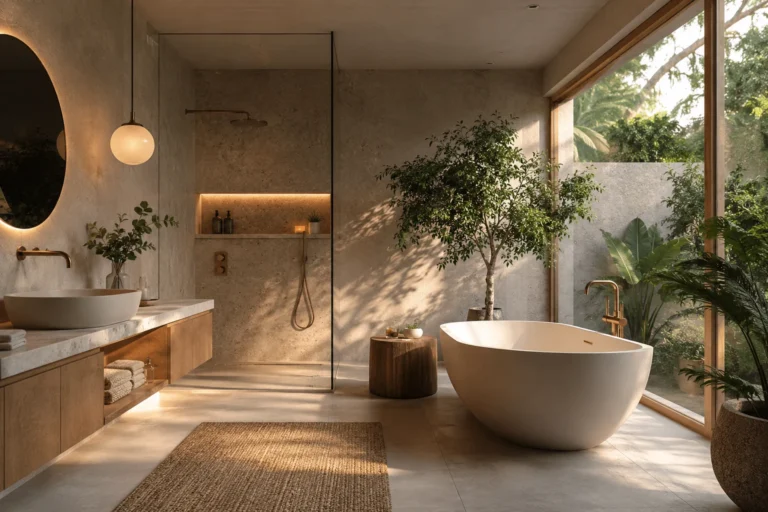
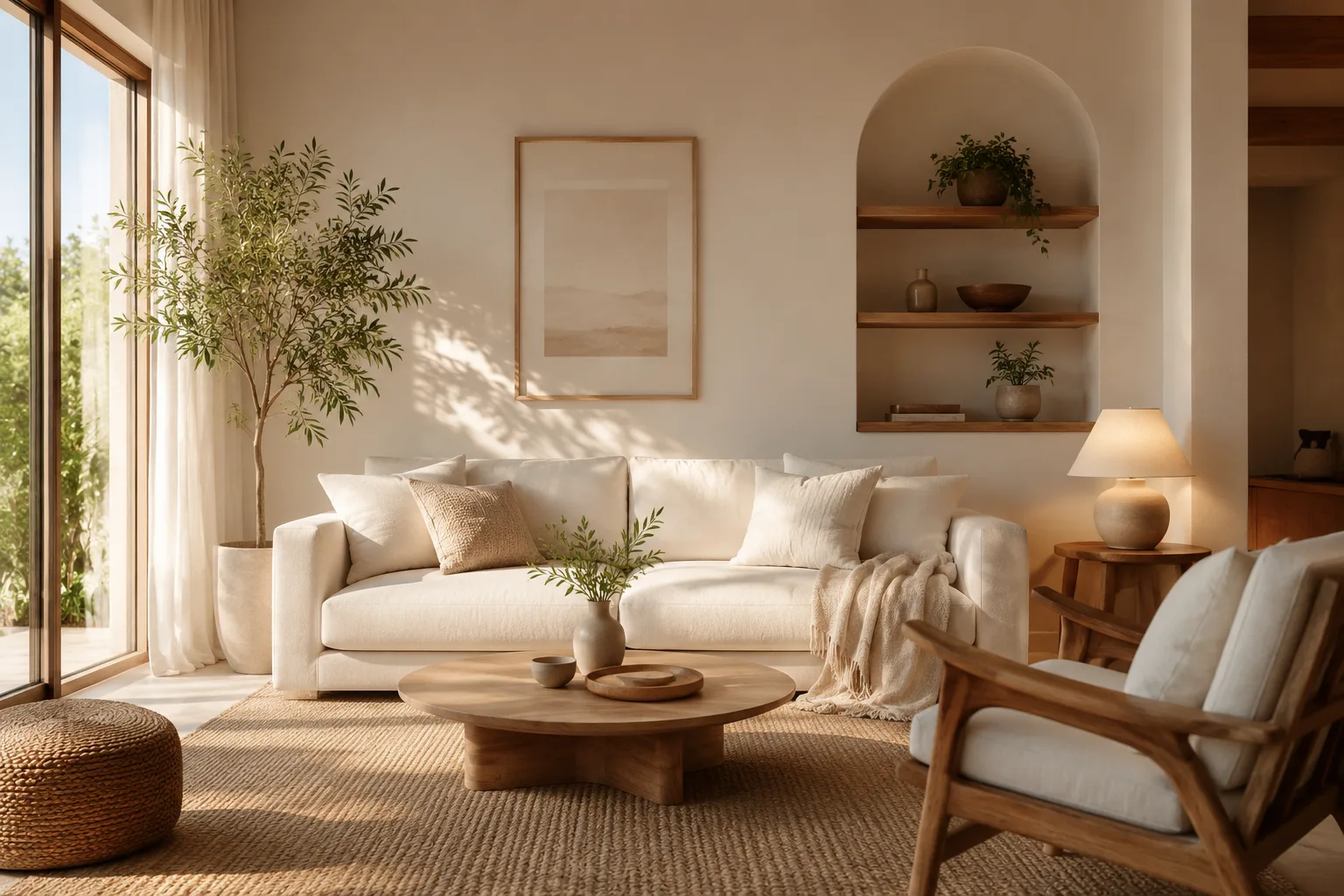
Color is often the first thing people think about when they imagine a calmer home, and for good reason. A balanced palette can soften the whole atmosphere of a room before anyone notices the furniture. Still, calm home design does not mean every wall has to be beige, gray, or white. Warm neutrals, muted greens, soft browns, clay tones, washed blues, and gentle off-whites can all create a grounded feeling when they are used with intention. The key is choosing colors that feel steady across the day, not just dramatic in a single photo. A shade that looks peaceful in morning light but turns harsh at night may not support the room as well as a quieter, warmer option.
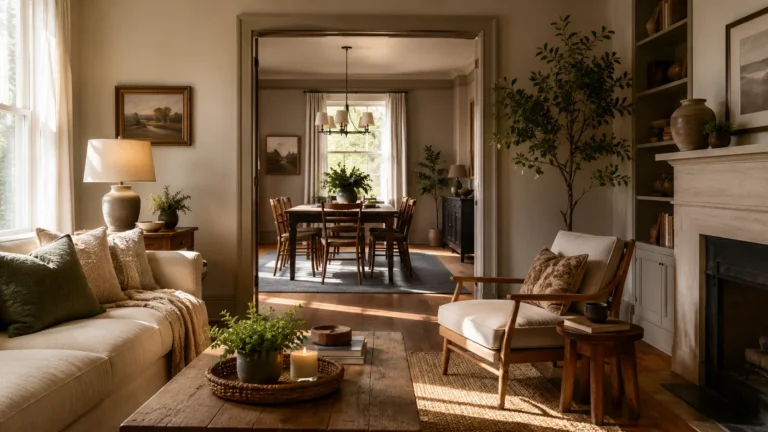
Lighting matters just as much as color, because a room can have a beautiful palette and still feel tense under cold overhead lights. Layered lighting is one of the easiest ways to make a home feel calmer without buying new furniture. A soft lamp near the sofa, a warm bulb in the bedroom, a dimmable fixture in the dining area, and small task lights in practical corners can create choices that match different moods. Bright light is useful when cleaning, cooking, or working, but evenings usually need something gentler. When the lighting changes with the rhythm of the day, the home begins to feel more human and less like an all-hours office.
Texture is the third layer that makes anti-fuss design feel warm instead of sterile. A calm room without texture can look flat, and flat spaces often feel less inviting than people expect. Linen curtains, woven baskets, wood grain, soft rugs, ceramic surfaces, cotton throws, and matte finishes can create depth without adding visual noise. Texture also helps a room feel lived-in, which is important because a peaceful home should not feel afraid of daily use. The best calm interiors have softness, but they also have enough durability to handle real meals, real laundry, real pets, real guests, and real days when nobody has the energy to reset everything perfectly.
The Power of Negative Space
Negative space sounds like a design-school phrase, but in everyday terms it simply means giving the eye somewhere to rest. A wall does not need art on every section to feel complete. A coffee table does not need a stack of books, a candle, a tray, a vase, and three decorative objects to prove it has been styled. A kitchen counter can be beautiful because it is clear enough to cook on, not because it is filled with matching jars. Leaving space open can feel uncomfortable at first, especially in a culture that often equates empty space with unfinished space. Yet once the room starts breathing, the whole home can feel lighter.
This is where slow living quietly enters the conversation. A slower home is not one that rejects modern life, but one that refuses to let every corner become urgent. It gives the morning coffee a clean counter, the evening reading session a lamp that glows softly, and the weekend reset a layout that does not require a full emotional negotiation. It makes room for pauses, and those pauses matter more than most people admit. When visual breathing room exists, people tend to move more calmly through the space. That is why many readers interested in wellness-focused interiors are now paying attention to layout and simplicity as much as furniture trends.
Why Anti-Ribet Design Feels So Modern
The phrase anti-ribet, or anti-fuss, fits this trend perfectly because it captures what many people want from home right now. They do not necessarily want a minimalist box, and they do not want a space that feels like nobody lives there. They want a home that looks good without being needy. They want furniture that can handle everyday use, storage that does not require a tutorial, and rooms that feel peaceful even when life is not perfectly organized. That kind of practicality feels modern because it respects time, attention, and emotional bandwidth. It understands that beauty is more useful when it makes life easier.
This shift also challenges the old idea that good design has to be complicated. For a long time, aspirational interiors were full of layered styling, high-maintenance materials, and details that looked impressive but did not always support daily routines. Now, the more interesting question is whether a space helps people live better on an ordinary Tuesday. Can the dining table handle homework, dinner, and a laptop without feeling chaotic? Can the laundry area make sorting easier before the pile becomes overwhelming? Can the bedroom separate rest from work in a way that helps sleep feel possible again? These questions may not sound glamorous, but they are exactly where the future of home design is heading.
Anti-fuss design also feels relevant because homes are now serving more roles than ever. Many people work from home part-time, exercise at home, cook more intentionally, care for family members, host casually, and use the same rooms for completely different activities throughout the week. When one space carries multiple functions, the design has to be flexible without becoming chaotic. Foldable surfaces, storage ottomans, lightweight chairs, modular shelving, and clear zones can help rooms shift without losing their identity. The best version of this trend does not pretend life is simple. Instead, it creates spaces that can adapt without making every transition feel like a reset.
How Better Everyday Spaces Change Mood
A better everyday space is not defined by its size or budget. It is defined by how it makes people feel while they are doing normal things. Making tea in a kitchen where the mugs, kettle, and tea are near each other feels different from opening three cabinets before breakfast. Getting ready in a bathroom with clear surfaces and good lighting feels different from balancing products on a crowded sink. Sitting down in a living room where the remote, blanket, and side table are within reach feels different from constantly getting up to solve tiny inconveniences. These small improvements create a home that feels considerate, and that consideration can shift the mood of an entire day.
There is a quiet emotional benefit in feeling supported by your surroundings. When a home works well, it reduces the number of moments where people blame themselves for being messy, late, distracted, or overwhelmed. Sometimes the problem is not a lack of discipline; it is a room that asks too much. A hallway with nowhere to store bags will keep collecting bags. A desk without cable control will keep looking stressful. A kitchen with the most-used items stored too far away will keep making cooking feel harder than it needs to be. Calm design solves these problems by making the easiest choice also the tidiest and most peaceful choice.
The mood shift can be especially noticeable in bedrooms and living rooms because these are the spaces most connected to recovery. A bedroom with fewer visual triggers can help the brain understand that the day is ending. A living room with comfortable seating, soft light, and uncluttered surfaces can make relaxation feel less like something that has to be scheduled. Even a small corner with a chair, lamp, and side table can become a signal that rest is allowed. These signals matter because modern life often rewards constant movement. A calm home creates a counter-message: you can pause here, and nothing will fall apart.
The Kitchen as a Calm Command Center
The kitchen is one of the most important places to apply anti-fuss thinking because it handles so many daily transitions. It is where mornings begin, snacks happen, groceries land, conversations start, and late-night water runs quietly unfold. A calm kitchen does not need to be huge, but it does need to make movement clear. Keeping daily tools close to the zones where they are used can reduce stress faster than a full aesthetic makeover. When cutting boards live near prep space, plates live near serving areas, and cleaning supplies are easy to grab, the room starts to feel cooperative instead of demanding.
Counter space is another emotional pressure point in the kitchen. A counter covered with appliances, mail, bottles, and decorative pieces can make cooking feel exhausting before it begins. The anti-fuss approach asks which items truly need to stay out and which ones can be stored within easy reach. This does not mean hiding everything, because a home should still feel warm and personal. It means giving the counter enough open space to do its real job. That one change can make meals feel more approachable, especially for people trying to build healthier routines without adding another complicated system to their lives.
The Trend Impact: Homes Are Becoming Softer Systems
The larger impact of calm home design is that people are beginning to see interiors as systems, not just scenes. A scene is what a room looks like in a photo. A system is how the room supports the person living inside it. This distinction is changing the way people shop, renovate, declutter, and decorate. Instead of asking whether a chair is trendy, they are asking whether it will be used. Instead of choosing storage because it looks nice online, they are asking whether it will make daily routines easier. This is a more mature way to think about home, and it feels aligned with a generation that wants comfort without pretending life is always polished.
It also opens the door for more sustainable choices. When people design around long-term ease instead of short-term trends, they are less likely to replace things every season. A sturdy dining table, a timeless lamp, a practical sofa, or a well-made storage piece can stay relevant because it serves the rhythm of the home. The same is true for decor that carries memory, texture, or personal meaning. Calm does not have to mean new, and it definitely does not have to mean expensive. Sometimes the calmest choice is keeping what already works and removing the clutter around it.
This trend also softens the pressure to make every home look the same. A calm home can be coastal, urban, rustic, modern, vintage, colorful, neutral, compact, or spacious. What connects these spaces is not one specific look, but one shared feeling: the sense that the home is easy to be in. That flexibility makes the trend more lasting than a single color or furniture shape. People may continue to experiment with style, but the desire for less friction is not going away. Once someone experiences a home that supports their routines, it becomes difficult to go back to a space that constantly interrupts them.
Conclusion: A Calm Home Is Built in Small Choices
The beauty of calm home design is that it does not require a dramatic renovation to begin. It can start with clearing one counter, moving one lamp, adding one tray near the door, editing one shelf, or creating one restful corner that does not have to multitask. These small choices matter because they change how the home behaves during ordinary moments. Over time, they create a space that feels less reactive and more supportive. The home becomes quieter not because it loses personality, but because every object has a clearer reason to be there.
In the end, anti-fuss design is not about chasing perfection. It is about building a home that understands people get tired, distracted, busy, emotional, inspired, and overwhelmed. It accepts that life is messy, then creates enough structure to keep that mess from taking over the mood of the space. A calmer home gives back time in tiny pieces and attention in quiet ways. It makes daily routines feel smoother, rest feel more possible, and beauty feel less demanding. That is why this movement feels less like a passing interior trend and more like a new standard for how modern homes should care for the people inside them.