Hotel-Inspired Homes Make Wellness Feel Daily
The new dream home does not always look like a mansion anymore; sometimes, it feels like the first deep breath you take after stepping into a calm boutique hotel lobby. That shift is why hotel-inspired homes are becoming more than a design mood; they are turning everyday wellness into a ritual people can actually live with. Instead of saving softness, order, fragrance, and quiet lighting for vacations, homeowners are pulling those details into bedrooms, bathrooms, kitchens, and even tiny apartment corners. The result is not about copying a five-star suite piece by piece, because that can feel staged and expensive fast. It is about building a home that resets the body gently, supports better routines, and makes ordinary moments feel more intentional.
Why Hotel-Inspired Homes Are Everywhere Now
For years, home design was mostly judged by how it looked in photos, especially on social media feeds where every shelf, chair, and candle had to perform visually. Now the conversation is shifting toward how a space behaves when the camera is gone and real life begins again. People want rooms that help them sleep better, decompress after work, host without chaos, and start the morning without feeling attacked by clutter. This is where hotel-inspired homes make sense, because the best hospitality spaces are designed around emotion before decoration. They guide movement, soften transitions, and make comfort feel effortless, which is exactly what modern homes need after years of overstimulation.
The appeal also comes from the fact that hotels have mastered the art of atmosphere in a way many homes have not. A great hotel room rarely has too much furniture, yet it still feels complete because every object has a role. The lighting is layered, the bed feels generous, the bathroom encourages pause, and the entryway gives a sense of arrival instead of acting like a dumping zone. When those ideas move into residential design, they create a home that feels less random and more supportive. This does not mean every house needs marble walls or hidden speakers, because the real luxury is a sense of calm that repeats every day.
Wellness Starts With the Feeling of Arrival
A hotel-inspired home begins before anyone reaches the sofa, because the entry sets the emotional tone of the entire space. In a hotel, arrival is never accidental; there is a rhythm of lighting, scent, texture, and open space that tells the body it can slow down. At home, the same idea can be translated through a clean console, a soft lamp, a catch-all tray, a grounding wall color, and somewhere proper to place shoes and bags. These choices sound simple, but they prevent the front door from becoming a stress portal. When the entry feels composed, the rest of the home has a better chance of feeling like a place of restoration instead of another task list.
This sense of arrival is especially important for people who live in compact spaces, where there may not be a grand foyer or a dramatic hallway. Even a small wall hook, a warm runner, and a gentle scent can create a psychological boundary between the outside world and the private world. The point is not to fake luxury but to give the mind a cue that the pace has changed. Hotels understand cues deeply, and that is why they feel so satisfying even when the design is minimal. A home can borrow that intelligence by treating thresholds as meaningful moments rather than forgotten corners.
Hotel-Inspired Homes Turn Sleep Into a Ritual
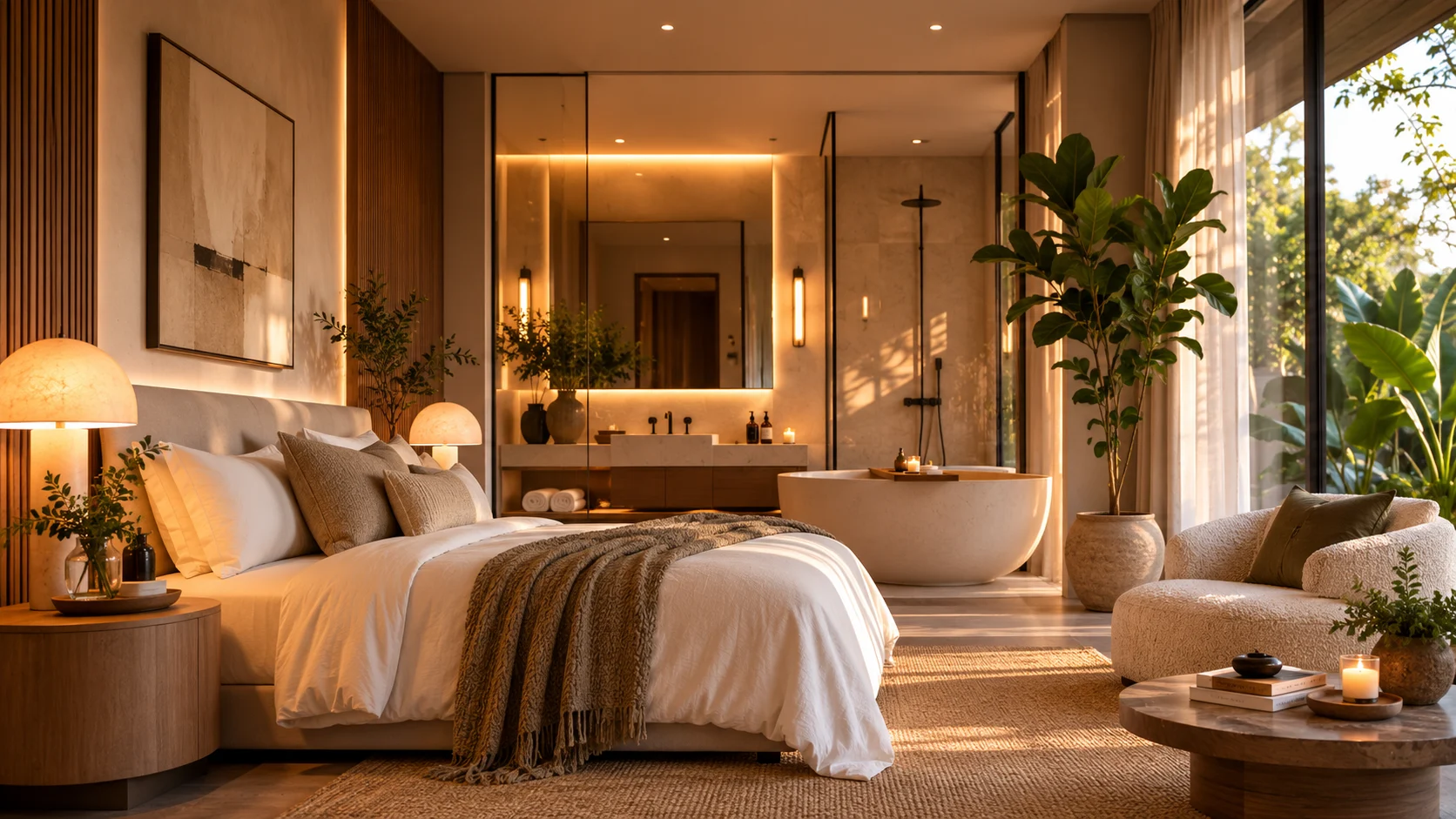
The bedroom is usually the easiest place to understand why hotel-inspired homes feel so appealing. A hotel bed promises a clean ending to the day, not because it is magical, but because it is layered with intention. Crisp sheets, supportive pillows, soft lighting, blackout curtains, and a lack of visual noise all work together to tell the nervous system that rest is allowed. At home, the same effect comes from reducing clutter around the bed, choosing bedding that feels good against the skin, and building a nightly rhythm that does not revolve around screens. Sleep becomes less of a desperate collapse and more of a prepared ritual.
Many people think the hotel bedroom look is only about white bedding, but the deeper idea is sensory consistency. The best bedrooms do not shout; they lower the volume through texture, temperature, color, and symmetry. Matching bedside lamps, closed storage, breathable fabrics, and a calm palette can make the room feel settled without making it boring. A bedroom can still have personality through artwork, a sculptural chair, or a personal object, but those details should not compete with the room’s main job. When the bedroom is treated as a recovery space, wellness stops being an app notification and becomes part of the architecture of the night.
The Power of a Bedside Routine
A bedside routine is one of the most underrated design details in a wellness-focused home. Hotels make the bed area easy to use because the essentials are within reach, the lighting is simple, and the surfaces are not overloaded with random objects. At home, a good bedside setup might include a warm lamp, a book, water, a small dish for jewelry, and enough empty space to prevent visual stress. This kind of setup supports the body’s habit loop because it makes winding down feel easier than continuing the day’s chaos. The room quietly says that rest matters, and over time that message becomes part of how the household functions.
Bathrooms Are Becoming Private Spa Spaces
The bathroom is where the hotel-to-home trend becomes especially personal because it turns hygiene into a moment of care. A spa-like bathroom does not need to be huge, but it does need to feel clean, tactile, and easy to move through. Warm lighting, good towels, natural textures, organized products, and a calming scent can completely change how a morning shower or evening rinse feels. This is why wellness-focused interiors increasingly treat bathrooms as emotional spaces, not purely functional rooms. When the bathroom is designed with comfort in mind, everyday routines feel less rushed and more restorative.
Hotels are good at making bathrooms feel like a pause button because they remove friction. The counter is not crowded, the towels are visible, the shower feels inviting, and the lighting flatters rather than exposes. Homeowners can borrow this by editing products, using trays, upgrading textiles, and creating better storage for the items that do not need to be seen. Even small changes, like switching harsh overhead lighting for warmer layers, can make the room feel softer at the beginning and end of the day. The goal is not perfection; it is a bathroom that makes care feel natural instead of squeezed into the margins.
Lighting Is the Secret Wellness Feature
Lighting may be the most hotel-coded design element of all, because it changes the mood faster than furniture ever can. Many homes rely on one bright ceiling light per room, which often makes the space feel flat, harsh, and strangely unfinished. Hotels, on the other hand, layer lighting through lamps, wall fixtures, accent glows, mirror lighting, and soft indirect sources that shift with the time of day. In hotel-inspired homes, this layered approach helps rooms support different rituals, from focused work to slow dinners to quiet evening recovery. A living room can feel energizing at noon and cocooning at night if the lighting is flexible enough.
The wellness angle matters because light affects how people experience comfort, alertness, and rest. Bright, cool light can be useful for tasks, but it can feel aggressive when the body is trying to slow down. Warmer lamps, dimmers, and low-level evening lighting create a softer transition into night, which makes the home feel more emotionally intelligent. This is one reason hotel rooms often feel relaxing even when they are not large or heavily decorated. They understand that atmosphere is not only what you see, but how your body responds to what surrounds you.
Layered Light Makes Small Rooms Feel Expensive
Small rooms benefit from hotel-style lighting because layered light creates depth where square footage is limited. A table lamp can make a corner feel intentional, a wall sconce can free up surface space, and a soft glow near the floor can make a room feel calmer after sunset. This approach also helps renters because lighting can transform a space without major renovation. Instead of chasing one dramatic fixture, the better move is often to create several gentle light sources that work together. The room then feels designed, not because it is full of expensive objects, but because the mood has been considered from more than one angle.
Texture Makes Luxury Feel Human
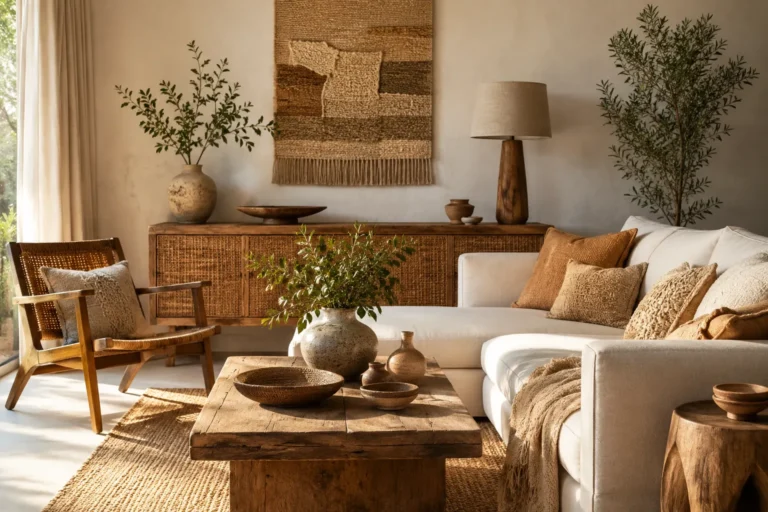
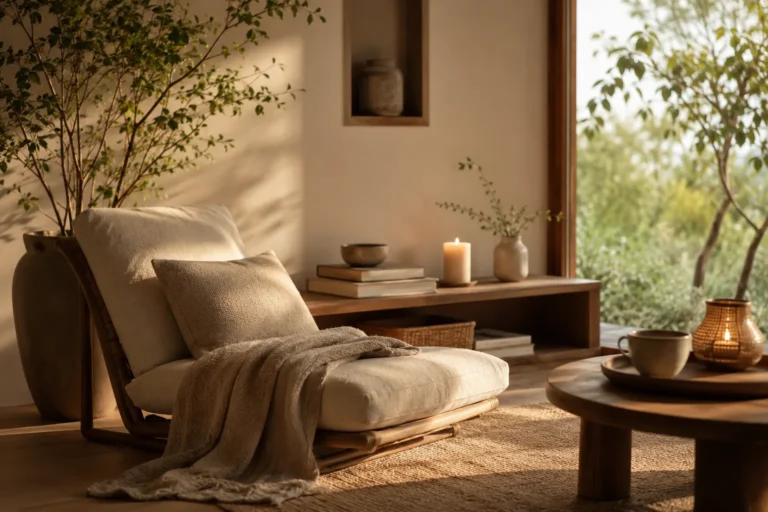
Hotel-inspired design can go wrong when it becomes too smooth, too beige, or too polished to feel lived in. The best version of the trend uses texture to keep luxury human, which means bringing in materials that invite touch and age with grace. Linen curtains, wool throws, wood surfaces, stone details, woven baskets, soft rugs, and ceramic accents all create a richer sensory environment. These pieces do not need to match perfectly, because the goal is layered calm rather than showroom symmetry. When texture is handled well, a room feels comforting without losing elegance.
This is also where slow living enters the story, because tactile materials encourage people to notice the present moment. A wooden tray makes tea feel more intentional, a woven rug changes how bare feet experience the morning, and a heavy curtain makes closing the day feel ceremonial. These little interactions are easy to overlook, but they shape the emotional quality of everyday life. Hotels use texture to create memory, and homes can use it to create belonging. A space becomes more than decorated when the materials ask people to slow down and actually feel where they are.
The Kitchen as a Calm Service Zone
The hotel influence is not limited to bedrooms and bathrooms, because kitchens are also becoming more ritual-driven. In hospitality, service areas are designed for flow, which means the experience feels smooth even when a lot is happening behind the scenes. A home kitchen can learn from that by organizing around daily habits instead of random storage categories. Coffee, breakfast, hydration, meal prep, and evening cleanup can each have small zones that reduce decision fatigue. When the kitchen supports routines clearly, it becomes less chaotic and more like a calm service station for everyday life.
This does not mean every kitchen needs a built-in espresso bar or a dramatic stone island. It can be as simple as placing mugs near the coffee maker, keeping breakfast bowls within easy reach, using a tray for oils and seasonings, and making the sink area pleasant enough that cleanup does not feel like punishment. Hotels often make ordinary actions feel elevated because the details are easy, visible, and pleasurable to use. At home, that same logic can make cooking feel less like a daily battle. The beauty of the kitchen then comes from rhythm, not just finishes.
Scent, Sound, and Air Are Part of the Room
One reason hotels create strong memories is that they design beyond the visual. Scent, sound, and air quality all shape how a room feels, even when people cannot immediately explain why they feel relaxed there. A hotel-inspired home can use this idea carefully through fresh air, subtle fragrance, soft acoustics, and fewer harsh background noises. The key word is subtle, because a home should not smell like a department store or sound like a wellness playlist on loop. It should simply feel clean, breathable, and emotionally settled.
Soft furnishings help with sound because rugs, curtains, upholstered pieces, and books absorb echo and make rooms feel less sharp. Air matters too, especially in homes where windows stay closed for long periods or where synthetic smells build up from cleaning products and plastics. Plants, ventilation, natural fibers, and lower-toxicity materials can help a space feel fresher without turning design into a science project. Scent can then become a gentle ritual, perhaps through a candle after cleaning, a diffuser near the entry, or fresh herbs in the kitchen. These invisible layers make the home feel cared for in a way guests notice and residents depend on.
Smart Technology Should Feel Quiet, Not Flashy
Technology plays a role in modern wellness design, but the most hotel-inspired version is not loud or gimmicky. The best smart-home features disappear into the routine, helping lights dim smoothly, temperature stay comfortable, music play softly, and clutter stay reduced. In a hotel, technology feels luxurious when it removes effort rather than demanding attention. Homes should follow the same rule because wellness is not improved by adding more screens, alerts, and settings to manage. A smart space should feel calmer than a manual one, not more complicated.
This is especially important for people trying to build slower daily habits while still living in connected homes. Automated lighting can support evening routines, smart thermostats can create better sleep conditions, and hidden charging stations can keep devices from taking over every surface. However, the emotional goal should remain clear: technology is there to support comfort, not become the centerpiece of the home. A room that requires constant app control can quickly lose the peaceful feeling it was meant to create. The strongest version of tech-enabled wellness is almost invisible, working quietly in the background while people focus on living.
Why This Trend Is Bigger Than Aesthetic Luxury
The rise of hotel-inspired homes says something bigger about how people are redefining success at home. A beautiful space still matters, but beauty alone is no longer enough if the room does not support rest, connection, and emotional balance. After years of blurred work-life boundaries, crowded schedules, and constant digital noise, many people want their homes to help them recover without needing a full lifestyle reset. Hotel-inspired design gives them a familiar language for that desire because everyone understands the feeling of walking into a room that has already been prepared for comfort. The trend works because it translates that feeling into daily life.
There is also a quiet rebellion inside this trend, because it pushes back against homes that are filled with things but short on ease. A room can be expensive and still feel stressful if it lacks flow, warmth, and emotional clarity. On the other hand, a modest apartment can feel deeply luxurious if the lighting is kind, the bed is comfortable, the bathroom is organized, and the morning routine makes sense. This is why hospitality-inspired wellness does not have to belong only to large houses or high budgets. It belongs to anyone willing to design around how life actually feels from morning to night.
How to Make Hotel-Inspired Homes Feel Personal
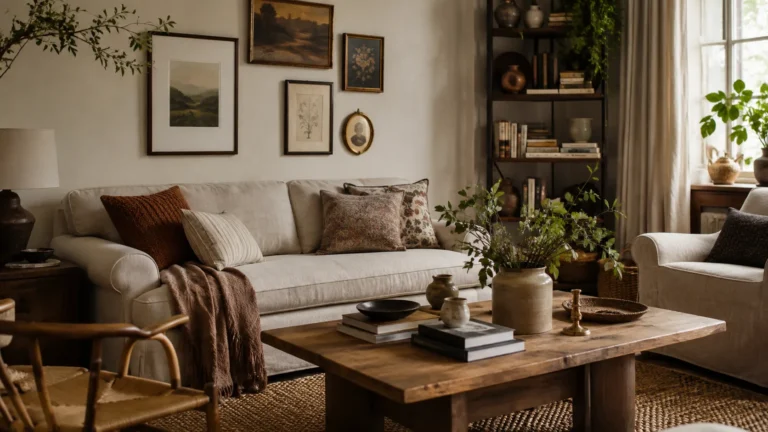
The biggest risk with this trend is creating a home that feels like a rental suite instead of a real life. Hotels are calming partly because they remove personal clutter, but homes need memory, identity, and warmth to feel emotionally complete. The solution is to borrow the structure of hospitality while keeping the soul of the household visible. That might mean using hotel-like bedding but adding personal art, keeping the bathroom spa-like but displaying a handmade ceramic piece, or creating a calm living room that still has books, photos, and objects with stories. A home should feel edited, not erased.
Personal style can also come through color, especially as many homeowners move beyond cold minimalism. Earthy greens, soft browns, dusty pinks, warm whites, deep blues, and muted golds can all create a boutique-hotel atmosphere without making every room look identical. The trick is to choose colors that support the mood of the space rather than chasing whatever shade is trending for one season. A bedroom may need softness, a dining area may need warmth, and a bathroom may need clarity. When color is linked to ritual, it becomes more than decoration; it becomes part of how the room helps people live.
The Slow Living Side of Hospitality Design
Slow living is often described as doing less, but inside the home it is more about doing things with better attention. Hospitality design supports this because it treats small routines as experiences worth shaping. Making coffee, taking a shower, reading before bed, stretching in the morning, or lighting a candle after cleaning can all become rituals when the space makes them feel natural. This is why hotel-inspired homes connect so easily with slow living and better everyday spaces. They make ordinary time feel less disposable.
A slow home does not need to be silent, neutral, or perfectly organized every second of the day. It needs to create enough ease that people can return to themselves inside it. That may mean fewer objects on display, better storage for busy areas, more comfortable seating, or a dining table that invites real meals instead of becoming a permanent paperwork station. The hotel influence is useful because it reminds homeowners that comfort can be designed, not just wished for. When daily routines have space to unfold, wellness becomes something grounded and repeatable.
Better Everyday Spaces Begin With Intention
The most effective hotel-inspired homes are not the ones that look the most expensive; they are the ones that understand the people living inside them. A family home will interpret wellness differently from a city studio, and a remote worker will need different rituals from someone who spends most of the day outside. That is why intention matters more than copying a Pinterest board or buying a matching set of luxury-looking pieces. The right question is not how to make a home look like a hotel, but how to make it feel prepared, generous, and easy to return to. Once that question leads the design process, every choice becomes clearer.
This approach also encourages homeowners to improve spaces gradually instead of waiting for a full renovation. One week might be about upgrading the bedding, another about fixing the entryway, another about creating softer lighting in the living room. Small upgrades can build a larger emotional shift when they are connected by the same goal. Over time, the home starts to feel less like a collection of rooms and more like a supportive daily environment. That is the real promise of hospitality-inspired wellness: it makes care feel built into the background.
Conclusion: Wellness Becomes Real When It Repeats
The lasting power of hotel-inspired homes is not about chasing luxury for its own sake. It is about recognizing that people need homes that do more than store furniture, hold schedules, and look decent when guests arrive. They need spaces that help them transition, rest, reconnect, and return to a steadier version of themselves. When hotel-inspired ideas are used thoughtfully, they turn wellness from a special occasion into something woven through lighting, bedding, scent, texture, storage, and daily rhythm. That is where the trend becomes meaningful, because the best home is not the one that imitates a hotel perfectly, but the one that makes everyday life feel cared for.