Utah Desert Home Is Redefining Slow Living
A Utah desert home does not need to shout to become the room everyone keeps talking about, and that is exactly why this style is sliding into the center of the slow living conversation. In a design world that has spent years chasing louder colors, faster makeovers, and furniture that looks good on a screen before it feels good in real life, the desert home offers a calmer kind of flex. It is not about looking empty, expensive, or overly curated, but about building a space that breathes with the land, the light, and the people who actually live inside it. The newest wave of desert-inspired interiors feels more human than the old minimalist trend because it is warm, textured, imperfect, and emotionally grounded. Instead of asking how much can be added to a room, the question becomes what can be removed so daily life feels lighter, slower, and more intentional.
The rise of the Utah desert home as a slow living reference point makes sense because the desert has always had its own design language. It teaches restraint without feeling cold, simplicity without becoming boring, and quiet beauty without needing constant decoration. The landscape itself does half the work, with red rock, soft sand, wide skies, dry grasses, and shifting shadows creating a mood that no artificial trend board can fully copy. When that energy moves indoors, the result is a home that feels less like a showroom and more like a place to exhale after a loud day. This is the kind of interior direction Havens Compass readers can understand instantly because it connects home, wellness, and everyday space into one slower rhythm.
Why the Utah Desert Home Feels So Fresh Now
The biggest reason the Utah desert home feels relevant right now is that people are tired of interiors that only perform for photos. A room can be beautiful online and still feel restless in person, especially when every corner is styled for attention instead of comfort. Desert homes flip that habit by letting negative space, natural materials, and earthy color do the emotional heavy lifting. The look is not trying to impress through clutter or novelty, but through atmosphere, proportion, and a strong connection to place. In a culture where everything updates too fast, a home that feels grounded in stone, sun, wood, and silence suddenly becomes a small act of resistance.
This shift also reflects a wider move toward spaces that support nervous-system calm rather than constant visual stimulation. People are rethinking how their homes affect sleep, focus, mood, and the way they move through the day. A desert-inspired room usually avoids harsh contrast, glossy finishes, and chaotic layering, which helps the eye settle instead of bounce from one object to another. That does not mean the home becomes blank or lifeless, because the texture of plaster, linen, raw wood, clay, and stone brings in plenty of depth. The magic is in the balance: enough detail to feel alive, enough quiet to feel safe.
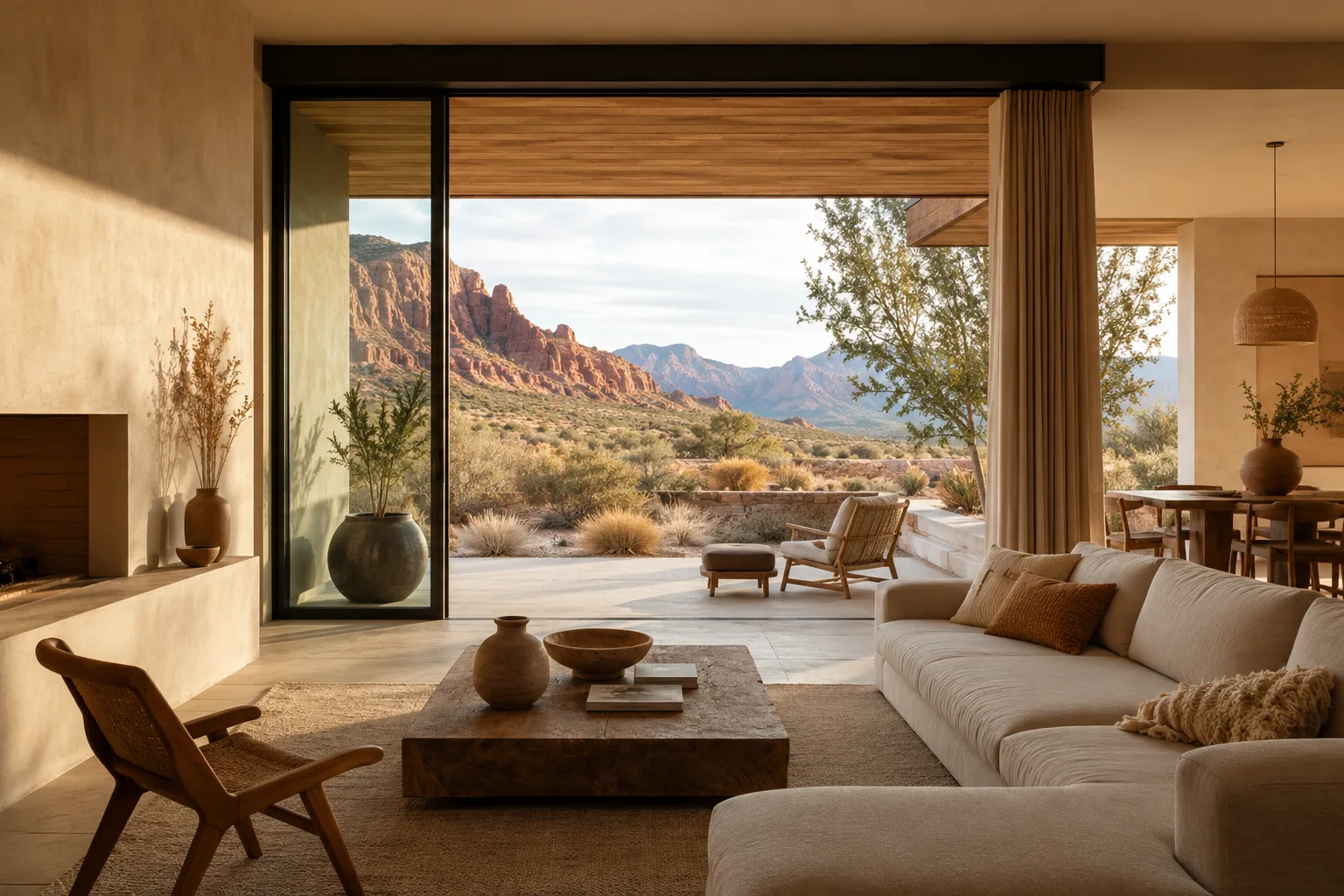
Utah’s desert landscape gives this trend a specific emotional charge because it is dramatic and peaceful at the same time. The scenery can feel cinematic, with cliffs and open horizons that almost demand attention, but the daily experience of living near that environment can still be slow, dry, and meditative. Homes influenced by this setting often borrow from both sides of that mood, using strong architectural shapes while keeping the interiors calm and grounded. That contrast is what makes the look feel modern without becoming sterile. It gives homeowners a way to create drama through form and light rather than through excessive decoration.
Slow Living Starts with the Way a Home Holds Time
Slow living is often described as a lifestyle, but inside a home it begins with time. A space can either push people into speed or invite them to pause, and desert homes tend to do the second option very well. The pacing comes from soft transitions, uncluttered sightlines, tactile surfaces, and rooms that do not demand constant maintenance to look good. A chair placed near morning light, a low table with handmade ceramics, or a shaded outdoor corner can change how someone begins and ends the day. These details may look simple, but they shape routines in a way that makes everyday life feel less rushed.
The slow living home is not about escaping responsibility or pretending life is always peaceful. It is more practical than that, because it asks whether the home is helping or draining the people inside it. A desert-inspired layout often supports this by giving rooms a sense of spaciousness, even when the footprint is not huge. Instead of filling every wall with art or every surface with decor, it allows certain areas to remain open so the mind can rest. This kind of restraint feels especially valuable now, when work, news, screens, and social feeds already crowd the day before anyone even walks into the living room.
There is also something powerful about designing a home around natural cycles rather than artificial urgency. In desert homes, sunlight becomes part of the decor because it changes the room hour by hour. Morning light can make pale walls glow, afternoon shadows can sharpen architectural lines, and evening warmth can turn simple materials into something almost cinematic. When the home responds to the day this visibly, people become more aware of time passing in a gentle way. That awareness is one of the quiet foundations of slow living because it brings attention back to the present moment.
Inside the Utah Desert Home Aesthetic
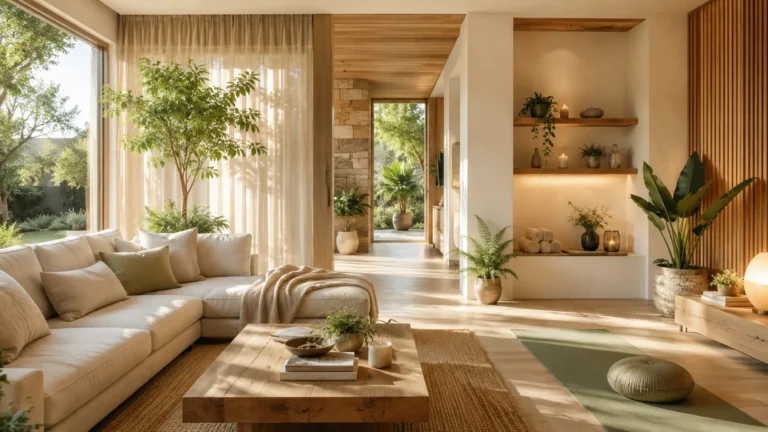
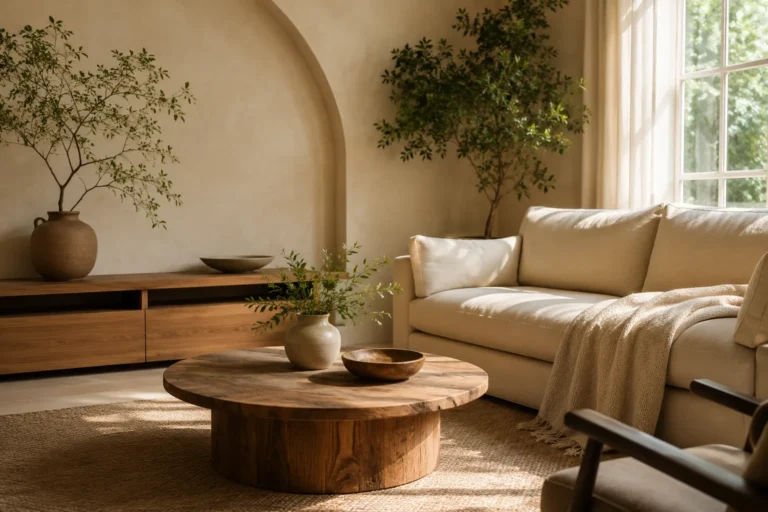
The Utah desert home aesthetic is built around restraint, but it is not the same as plain minimalism. Traditional minimalism often leans toward white walls, sharp furniture, and a strict sense of order, while desert interiors are softer and more forgiving. They usually rely on a palette of sand, clay, cream, rust, taupe, warm gray, and sun-baked brown, with occasional darker accents that echo rock formations or charred wood. These colors feel lived-in because they come from the land rather than from a trend forecast alone. When used with patience, they create a home that feels calm without looking flat.
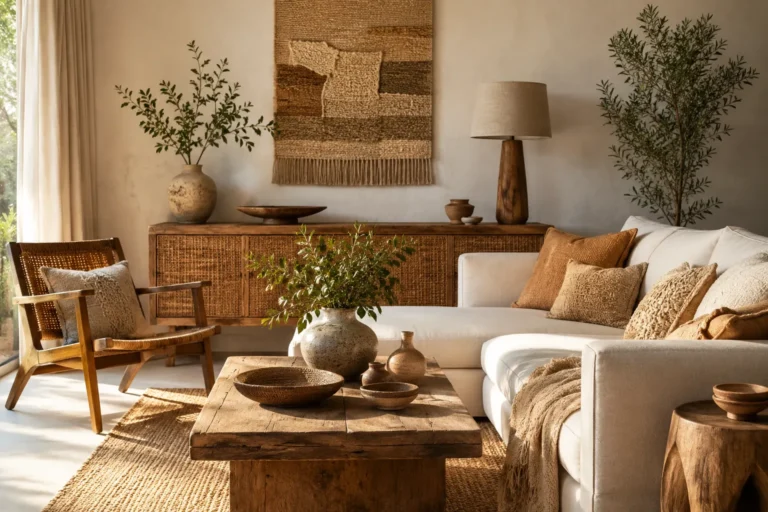
Texture is the real engine of this style, and that is why it works so well for better everyday spaces. Smooth walls can sit beside woven rugs, rough stone can balance soft linen, and handmade pottery can bring a human touch to clean architecture. The look becomes interesting because of how surfaces interact, not because every object is competing for attention. Even a neutral room can feel rich when the materials have weight, grain, weave, and shadow. This makes the style ideal for people who want a calming home but still need warmth, personality, and visual depth.
Furniture in a desert-inspired home usually feels low, grounded, and comfortable rather than flashy. Sofas may have deep seats, wood tables may show natural edges or quiet imperfections, and built-in benches can make a space feel connected to the architecture. The best rooms avoid pieces that look too precious to touch, because slow living depends on actual use. A home should invite someone to sit with tea, read in silence, stretch on the floor, cook slowly, or talk with friends without worrying about ruining the composition. That relaxed confidence is part of why the desert home trend feels so mature compared with faster decorative cycles.
Earthy Color Without the Beige Trap
One common misunderstanding about desert interiors is that they must be beige from top to bottom. In reality, the best desert rooms use earthy color with more nuance than that. Warm whites can sit beside terracotta, ochre, smoked olive, muted mauve, dusty rose, or deep brown, depending on the mood of the house. The goal is not to copy sand literally, but to build a palette that feels sun-warmed and emotionally steady. When the colors are layered thoughtfully, the room feels calm and expressive at the same time.
This matters because many people want a quieter home without losing individuality. A desert palette offers a flexible base that can shift rustic, modern, artistic, or cozy depending on the objects added to it. A clay-toned wall can feel refined with sculptural lighting, casual with vintage textiles, or deeply personal with local art and handmade pieces. That adaptability makes the style useful beyond Utah, because it can translate into apartments, suburban homes, cabins, studios, and compact city spaces. What matters is not copying the exact landscape, but borrowing its sense of warmth, patience, and grounded beauty.
Designing for Wellness, Not Just Looks
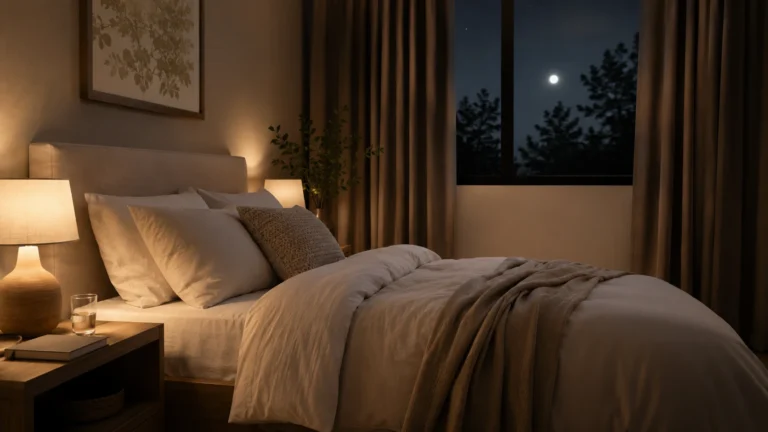
The wellness side of the Utah desert home trend is subtle, which makes it more interesting. It does not rely only on obvious wellness symbols like meditation cushions, spa-style bathrooms, or perfectly arranged shelves of supplements. Instead, wellness shows up through light quality, material honesty, acoustic softness, airiness, and a layout that reduces friction in daily routines. A calm entryway can make coming home feel less chaotic, while a bedroom with soft tones and simple storage can make rest easier to protect. These choices may seem small, but they influence how the body feels inside the space every single day.
Good wellness design begins with sensory awareness, and desert-inspired homes are especially strong in this area. They often use matte surfaces that reduce glare, natural fibers that feel good to touch, and furniture arrangements that leave breathing room around movement paths. Sound also matters, because hard, echoing rooms can quietly raise stress even when they look beautiful. Textiles, rugs, curtains, upholstered seating, and textured walls can soften the acoustic profile of a room without making it feel heavy. This is where wellness-focused interiors become practical rather than decorative, because the home starts supporting comfort in ways that are felt before they are noticed.
Another wellness lesson from desert homes is the value of visual rhythm. When every room has a different loud theme, the home can feel fragmented, even if each room is individually attractive. A desert-inspired house often creates continuity through repeated materials, related colors, and consistent shapes, which helps the whole home feel settled. This does not mean every space should look identical, but it does mean each room should feel like part of the same story. That sense of flow can make the home easier to inhabit because the mind does not need to constantly adjust to a new visual language.
The Outdoor Connection Is the Real Luxury
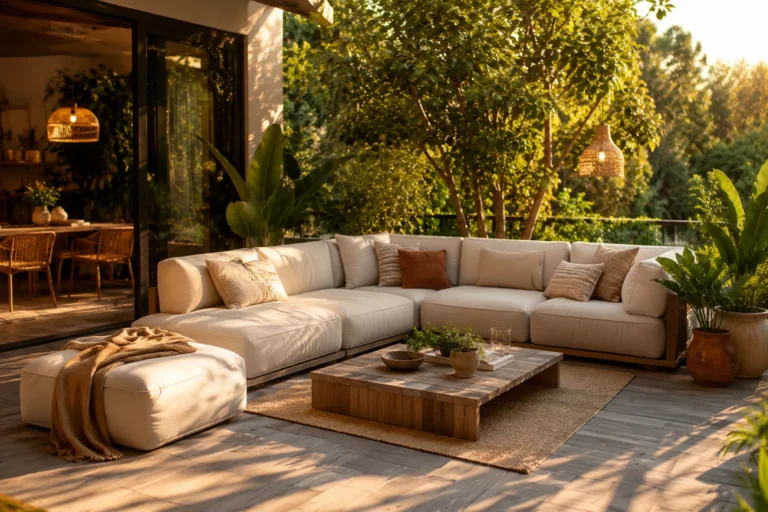
One of the strongest ideas behind a Utah desert home is that the boundary between indoor and outdoor living should feel thoughtful, not forced. In the desert, the outside world is too powerful to ignore, so the architecture often frames views, captures shade, and uses outdoor rooms as part of daily life. A patio can become a breakfast spot, a courtyard can turn into an evening retreat, and a shaded walkway can create a slower transition from one part of the home to another. These spaces are not just decorative add-ons because they change the rhythm of the day. They encourage people to step away from screens, notice the weather, and reconnect with the physical world.
This outdoor connection also reframes what luxury means in the home. Instead of luxury being defined only by marble, oversized furniture, or expensive statement pieces, it becomes about access to quiet, light, air, privacy, and space to breathe. A simple bench facing the horizon can feel more meaningful than a room full of trend-driven objects. A window placed in the right spot can create a daily ritual around sunrise or sunset. In this way, desert homes remind us that the most valuable design features are often the ones that make people feel more present.
Even homes far from the desert can borrow this lesson by improving the relationship between interior spaces and nature. A small balcony, a kitchen window herb garden, a reading chair near natural light, or a more intentional outdoor dining corner can carry the same spirit. The point is not to recreate a Utah landscape where it does not exist, but to design with the environment available. Slow living becomes more realistic when the home gives people daily reasons to look up, step outside, and notice what is already there. That is why the outdoor connection is not a side note in this trend, but one of its most important ideas.
Why Better Everyday Spaces Need Less Noise
The phrase better everyday spaces can sound broad, but the desert home trend gives it a clear meaning. A better space is not always bigger, newer, or more expensive, but it does make daily habits feel smoother and more peaceful. Less visual noise helps people find keys, prepare meals, rest after work, and move through the home without feeling like every surface needs attention. This is especially important in homes where people work remotely, care for family, or use the same room for multiple roles throughout the day. When a space is designed with calm function in mind, it supports real life instead of just decorating around it.
Reducing noise does not mean removing personality, and this distinction matters. A quiet home can still be full of stories through heirlooms, travel objects, books, art, ceramics, textiles, and handmade pieces. The difference is that each item has room to matter instead of getting lost in a crowded scene. Desert-inspired styling often favors fewer objects with stronger emotional or material presence, which can make a room feel more personal, not less. This approach also makes the home easier to care for because the design does not depend on constant rearranging to feel complete.
The same idea applies to technology in the home. A slow living space does not need to reject modern tools, but it should prevent them from dominating every room. Charging stations can be tucked away, televisions can be balanced with art or cabinetry, and work zones can be separated visually from rest zones even in compact spaces. These choices help the home become a place of recovery rather than a nonstop extension of the digital day. In a desert-inspired interior, the goal is not to live like the past, but to make modern life feel less invasive.
How to Bring Utah Desert Home Energy Anywhere
You do not need a remote property, a canyon view, or a full renovation to bring Utah desert home energy into your own space. The trend works best when it is translated through principles rather than copied as a theme. Start with the feeling you want the room to hold, then choose colors, materials, and objects that support that feeling without overwhelming it. A renter can use warm textiles, clay-colored accents, woven shades, wooden stools, and softer lighting to create a similar emotional direction. A homeowner can go deeper with plaster finishes, stone details, custom built-ins, or a stronger indoor-outdoor connection.
The easiest starting point is usually color because it changes the mood quickly. Replace stark white with a warmer white, add a sand-toned rug, bring in terracotta through pottery, or use muted earth tones in pillows and throws. After that, focus on texture because a calm neutral room needs tactile depth to avoid looking empty. Linen, wool, jute, raw wood, leather, stoneware, and matte ceramics can all help create the layered softness that defines desert interiors. Once the base feels grounded, it becomes easier to decide what should stay, what should move, and what no longer fits the slower mood.
Lighting is another powerful way to shift a room toward desert calm. Harsh overhead lighting can make even beautiful spaces feel flat or stressful, while layered lamps, warm bulbs, and shaded fixtures create a softer evening rhythm. Natural light should be treated as part of the design, which means paying attention to how curtains, blinds, mirrors, and furniture placement affect the way sunlight enters the room. A desert-inspired space often looks best when light is allowed to move across textured surfaces during the day. That movement gives the room life without adding more objects.
Small Changes That Actually Matter
The most useful changes are often the ones that improve daily routines, not the ones that look dramatic in a before-and-after photo. A calm landing zone near the door can reduce morning stress, while a more comfortable reading corner can make evenings feel less screen-heavy. Replacing synthetic-looking decor with natural materials can make a room feel warmer, even if the layout stays the same. Clearing one surface completely can create a surprising sense of relief because it gives the eye somewhere to rest. These small decisions are where slow living becomes practical instead of just aesthetic.
- Choose warm neutrals instead of cold, flat whites.
- Use natural materials like linen, clay, wood, wool, and stone.
- Create one quiet corner for reading, rest, or morning coffee.
- Let sunlight, shadow, and open space become part of the design.
These steps work because they focus on the atmosphere of the home rather than a rigid shopping list. The desert look can become shallow if it turns into a collection of trendy objects with no deeper intention. A better approach is to ask what your home is currently asking from you, and what you need it to give back. If the answer is more calm, more warmth, more space, or more connection to natural rhythms, then the desert-inspired direction has something useful to offer. The best version of the trend is not about copying Utah exactly, but about designing a home that feels honest, restorative, and easier to live in.
The Trend Impact: From Aesthetic to Lifestyle
The rise of the Utah desert home points to a larger change in how people talk about interiors. For a long time, home trends were treated like seasonal outfits, with new colors, shapes, and statement pieces rotating in and out at high speed. Now, more people seem interested in whether a design choice will still feel good after the first wave of attention fades. Desert homes fit this mindset because they are rooted in material, climate, and feeling rather than in novelty alone. They suggest that a good home should age gracefully, not constantly demand replacement.
This matters for sustainability as well, because slower interiors often encourage more thoughtful consumption. When a room is built around durable materials, flexible colors, and meaningful objects, there is less pressure to keep buying new decor just to feel current. A well-made wooden table, a timeless woven rug, or a handcrafted ceramic piece can stay relevant for years because it is not tied to a microtrend. The desert-inspired home also values imperfection, which makes patina and wear feel like part of the story instead of a reason to replace something. In that sense, the style supports a more responsible and emotionally sustainable way of decorating.
The trend also responds to the emotional fatigue of modern life. Many people are trying to make their homes do more than ever, from office and gym to sanctuary and social space. That pressure can make interiors feel overloaded unless the design is intentional. A slow, grounded home gives each function enough space without turning every room into a productivity zone. The Utah desert home shows that softness, silence, and natural beauty are not extras, but essential parts of a home that can carry people through busy seasons.
What This Means for the Future of Home Design
The future of home design is likely to become more personal, more sensory, and less obsessed with perfect images. People still want beauty, but they want beauty that holds up in daily life. The desert home trend reflects this because it does not rely on complicated styling to make a point. It asks for attention to light, air, texture, movement, and emotional ease, which are all things that matter after the camera is put away. This direction feels especially important for anyone who sees the home as part of wellness rather than just an expression of taste.
Architecturally, the influence may show up through more shaded outdoor spaces, earth-toned exteriors, courtyards, passive cooling ideas, and materials that feel connected to place. Inside, it may appear through softer minimalism, warmer neutrals, built-in seating, natural finishes, and rooms designed around rituals instead of only furniture placement. The movement also gives homeowners permission to slow down the decorating process. Instead of finishing a room quickly with trend-driven pieces, they can let the home evolve through use, travel, memory, and changing needs. That slower approach may be less dramatic at first, but it often creates spaces with more lasting emotional value.
For Havens Compass readers, the bigger lesson is that a better home does not always come from adding more. Sometimes it comes from listening more carefully to the space, the climate, the light, and the routines that already exist. A desert-inspired home makes that lesson visible because it celebrates enoughness without making it feel like sacrifice. It proves that calm can still be stylish, simplicity can still be rich, and wellness can be woven into ordinary rooms. As more people search for homes that feel steady in a fast-moving world, this grounded design language will likely keep growing.
Conclusion: The Quiet Power of a Utah Desert Home
The Utah desert home is becoming a slow living reference because it offers something more meaningful than a polished aesthetic. It gives people a way to imagine home as a place of calm, rhythm, texture, and connection rather than just a container for things. Its beauty comes from restraint, but its warmth comes from the human details layered inside that restraint. By leaning into natural materials, earthy color, soft light, and practical quiet, this style creates rooms that feel both modern and deeply grounded. In a time when daily life can feel crowded and overstimulating, that kind of home feels less like a trend and more like a need.
What makes the trend powerful is that it can be adapted without being copied. A city apartment, a suburban house, a small studio, or a countryside retreat can all borrow the spirit of desert living through warmer materials, calmer layouts, and more intentional rituals. The point is not to turn every home into a desert postcard, but to let the desert remind us what good spaces can do. They can slow the pace, soften the mood, protect attention, and make ordinary routines feel more grounded. That is why the Utah desert home is not just shaping interior design conversations, but also redefining what it means to live well at home.