Wellness Bathroom: The New Everyday Retreat
The bathroom used to be the room everyone rushed through, a place for brushing teeth, washing faces, and getting out the door before the day could start shouting. Now, it is quietly becoming the room people want to stay in, because the idea of a wellness bathroom is changing how modern homes feel from the inside out. Instead of treating the bathroom as a purely functional corner, homeowners are turning it into a soft reset zone where lighting, texture, water, scent, sound, and storage all work together. This shift is not about copying a luxury spa or building a showroom that looks good only in photos, because the new mood is more personal, practical, and emotionally aware. A wellness bathroom is becoming the everyday retreat people can actually use, especially when life feels too fast, too loud, and too connected.
Why the Bathroom Became the New Retreat
The rise of the wellness bathroom did not happen overnight, even if it suddenly feels like everyone is talking about it. For years, wellness was mostly attached to gyms, skincare routines, boutique hotels, yoga studios, and expensive spa weekends, but the home has slowly absorbed those ideas into daily life. The kitchen became a place for mindful cooking, the bedroom became a sleep sanctuary, and the living room became a flexible zone for work, rest, and connection. Now the bathroom is getting its turn, partly because it is one of the few rooms where people naturally pause without needing to explain themselves. In a world where every notification competes for attention, the bathroom has become a rare private space where the door can close and the nervous system can finally exhale.
This change also reflects a bigger emotional shift in how people define a good home. A few years ago, many renovation dreams were centered on bigger spaces, statement finishes, and dramatic before-and-after moments that looked impressive online. Today, the fantasy has softened, and people are asking whether a room actually helps them feel better when they use it every day. That question sounds simple, but it changes everything from the choice of tiles to the placement of a towel hook. A wellness bathroom does not need to scream wealth or trendiness, because its real value comes from how it supports routines that feel calm, clean, and grounded. The best versions make ordinary moments, like washing your face at night or stepping into a warm shower, feel like small rituals instead of chores.
The Wellness Bathroom Trend Is About Feeling, Not Flash
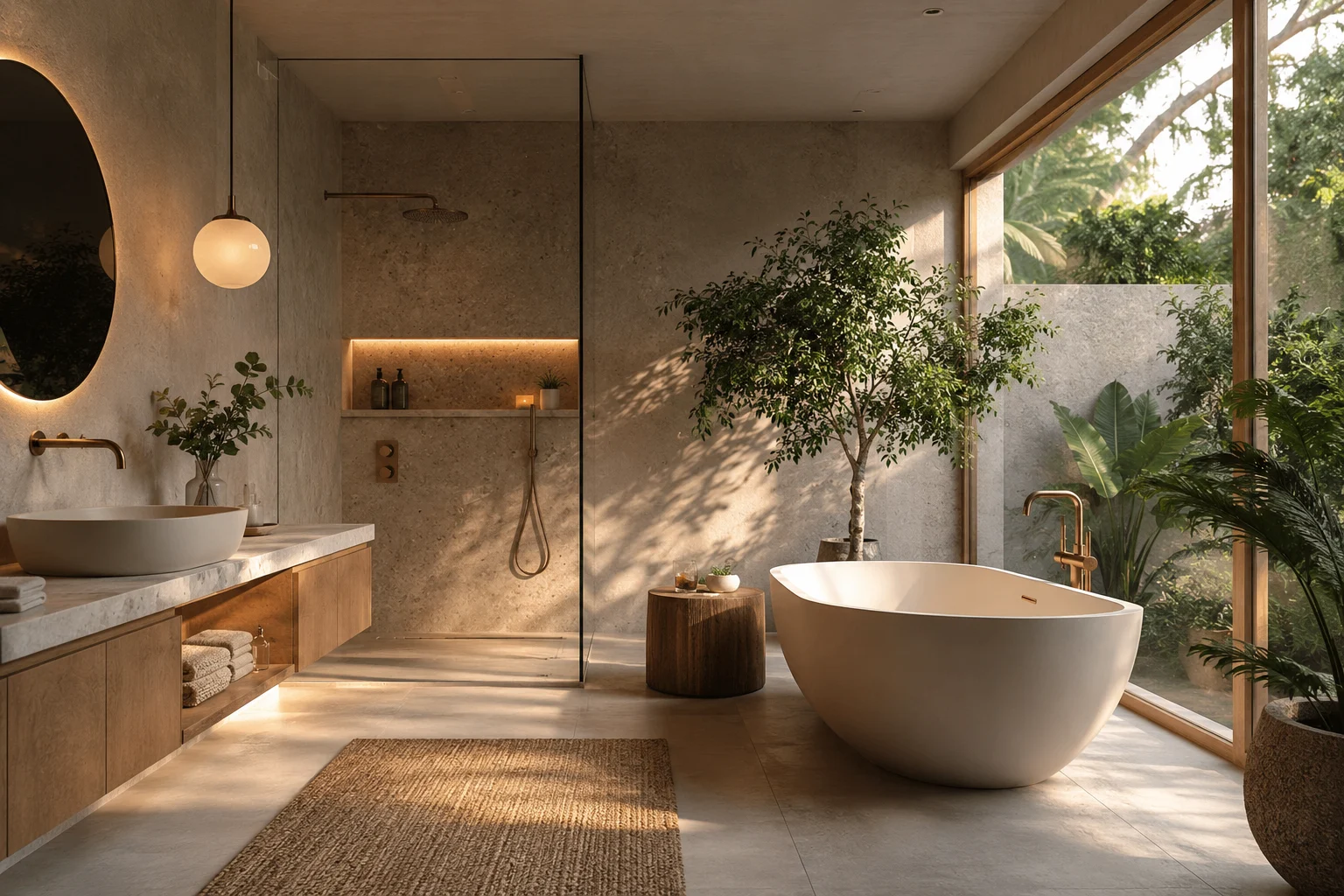
The most interesting part of the wellness bathroom trend is that it is moving away from the cold, hotel-like look that once dominated modern bathroom design. Glossy surfaces, sharp contrasts, and overly perfect minimalism can still look sleek, but they often feel emotionally distant when used every single day. The new direction is warmer and more layered, with natural textures, muted colors, soft lighting, and details that make the room feel lived-in rather than staged. Think stone that feels earthy, wood tones that bring balance, towels that look relaxed instead of decorative, and lighting that flatters the evening mood instead of blasting the mirror. The goal is not to impress guests in five seconds, but to help the person using the room feel more human after a long day.
This is why the language around bathrooms is starting to sound more like self-care than construction. People are not only asking about the size of a vanity or the price of a fixture, because they also want to know whether a bathroom feels peaceful in the morning and restorative at night. A shower is no longer just a shower when it has better water pressure, a calming scent nearby, good ventilation, and space to move without visual chaos. A bathtub is not just a tub when it becomes a place to disconnect from scrolling and reconnect with the body. Even a small powder room can feel like a reset when the materials, colors, and lighting are chosen with intention rather than habit.
Soft Materials Are Replacing Cold Perfection
One of the clearest signs of this design shift is the growing preference for softer, more tactile materials. Matte finishes are gaining attention because they reduce glare and create a calmer visual surface, especially in bathrooms with bright daylight or strong artificial lighting. Natural stone, limewash-style walls, textured tiles, and warm wood accents also help the room feel less sterile and more connected to the rest of the home. Even when real wood is not practical in wet zones, homeowners are choosing wood-look materials or carefully sealed details to bring that organic warmth into the space. These choices matter because the bathroom is experienced up close, through bare feet, wet hands, steam, reflection, and quiet movement.
There is also a deeper reason why texture feels so important right now. Smooth perfection can look expensive, but too much of it can make a space feel untouchable, and that is the opposite of wellness. A bathroom meant for recovery needs to feel safe enough to be used, not protected like a museum display. Slight texture on walls, stone variation on counters, woven baskets, ribbed glass, and soft cotton surfaces bring a kind of visual breathing room. When these materials work together, the result is a bathroom that feels calm without becoming boring, polished without becoming stiff, and modern without losing warmth.
How Lighting Turns a Bathroom Into a Daily Ritual
Lighting may be the most underrated part of a wellness bathroom, because it controls the emotional temperature of the space before anything else does. A bathroom with harsh overhead lighting can make even beautiful materials feel flat, while layered lighting can make a simple room feel deeply considered. The best approach usually combines practical task lighting near the mirror, gentle ambient lighting for the whole room, and softer accent lighting that creates a more relaxed atmosphere. This matters in the morning when people need clarity, but it matters even more at night when the body is trying to shift away from the pace of the day. A bathroom that can change moods through lighting becomes more flexible, more comfortable, and more aligned with real life.
The mirror area deserves special attention because it is where people often judge themselves under the least forgiving light. When lighting is too blue, too direct, or placed only above the face, it can create shadows that make daily grooming feel harsher than necessary. Side lighting, warmer bulbs, dimmable fixtures, and backlit mirrors can make the experience feel calmer without sacrificing function. This is not only about appearance, because the way a room lights the face can influence how people feel during their first and last personal routines of the day. A more thoughtful bathroom does not force users into a spotlight; it gives them a gentler setting to prepare, reset, and wind down.
Warm Light Makes Night Routines Feel Better
Night routines are becoming a major part of wellness-focused home design because sleep quality is tied to everything from productivity to mood. A bathroom that supports sleep does not need expensive technology, but it does need to avoid blasting the senses right before bed. Warm lighting, dimmer controls, hidden LED strips, and soft reflections can help the room feel quieter after sunset. This kind of setup makes brushing teeth, washing skincare off, or taking a shower feel less like one more task and more like a transition. When the bathroom helps the body understand that the day is ending, it becomes part of a healthier rhythm rather than just a functional stop.
The Small-Space Wellness Bathroom Is Rising Too
A wellness bathroom does not require a huge floor plan, and that is one reason the trend feels more realistic than many home design movements. Not everyone has space for a freestanding tub, a double vanity, a steam shower, or a private garden view, but almost everyone can make a bathroom feel calmer through better choices. In smaller homes and apartments, the focus often shifts to reducing visual clutter, choosing smarter storage, improving lighting, and using materials that make the room feel open without becoming cold. A compact bathroom can still feel like a retreat when every object has a purpose and the room is not overloaded with products, patterns, and mismatched finishes. In fact, small spaces sometimes become more intimate and soothing because they force the design to be more intentional.
The small-space version of this trend is especially important for city living, where bathrooms are often tight, windowless, and designed with speed rather than comfort in mind. Adding a sense of wellness in that context might mean installing a better showerhead, using a curved mirror, choosing calming wall colors, or switching to closed storage that hides daily clutter. It might also mean bringing in a stool, a small plant that can handle humidity, a soft bath mat, or a tray that turns basic products into a more organized ritual. None of these upgrades need to be dramatic, but together they can change how the room feels every morning. The point is not to make a tiny bathroom look large at all costs, but to make it feel less stressful and more supportive.
Storage Is Secretly a Wellness Feature
Storage might not sound as glamorous as a rainfall shower or a sculptural bathtub, but it is one of the most powerful parts of a wellness bathroom. A cluttered counter can make the room feel busy before the day even begins, while thoughtful storage makes routines easier and more peaceful. The modern bathroom has to hold skincare, hair tools, towels, cleaning supplies, medicine, extra toiletries, and sometimes laundry, so pretending that minimalism means owning almost nothing is not realistic. A better approach is to design storage that supports the way people actually live, with drawers, shelves, baskets, cabinets, and niches placed where they make sense. When everything has a home, the bathroom becomes less of a visual argument and more of a place to reset.
This is where the wellness conversation becomes very practical. A beautiful bathroom that cannot handle everyday products will eventually become messy, and that mess can quietly ruin the calming effect. Good storage protects the atmosphere of the room by keeping visual noise under control without making life inconvenient. Recessed shower niches, mirrored cabinets, vanity drawers with organizers, towel ladders, and hidden laundry solutions can all improve the way the room functions. The most successful wellness bathrooms understand that peace is not only created by candles and soft colors, because it also comes from not having to search for toothpaste while running late.
Water, Steam, and Sound Are Setting the Mood
Water has always been central to the bathroom, but the new wellness approach treats it as an experience rather than just a utility. A shower can be energizing in the morning, calming after work, or deeply restorative before sleep depending on temperature, pressure, lighting, and time. More homeowners are paying attention to shower quality because it is one of the most-used features in the house, and a better shower can change the emotional rhythm of the day. Steam features, handheld options, rainfall heads, and thermostatic controls are becoming desirable because they make the experience more comfortable and controlled. Even without high-end upgrades, simply making the shower area cleaner, less cluttered, and more sensory can make it feel more intentional.
Sound is another layer that often gets ignored until it becomes a problem. Bathrooms can be echo-heavy rooms, especially when they are full of hard tile, glass, and stone, and that sharp acoustic quality can make the space feel less relaxing. Softer textiles, wooden elements, rugs outside wet areas, and even better door sealing can help reduce the harshness. Some people are also bringing music, guided meditation, or calming audio into their bathroom routines, but the room itself needs to support that mood rather than fight against it. A true wellness bathroom considers not only what the eye sees, but also what the body hears, touches, smells, and feels in motion.
Scent Is Becoming Part of the Design
Scent has always been part of personal care, but now it is being treated as a design layer in its own right. A bathroom that smells clean in a sharp chemical way can feel functional, but a bathroom with softer scent choices can feel more restorative and memorable. Essential oil diffusers, eucalyptus in the shower, gentle soaps, bath salts, candles, and natural cleaning products can all influence the mood of the room. The key is restraint, because a wellness space should not overwhelm the senses or feel like a perfume counter. When scent is subtle and connected to routine, it can become one of the easiest ways to make the bathroom feel personal and calming.
Wellness Bathroom Design and the Slow Living Shift
The bathroom’s new role fits perfectly into the wider slow living conversation. Slow living is not about doing nothing, and it is not about creating a perfect aesthetic that only works for people with huge homes and unlimited time. It is more about noticing how everyday routines shape the way people feel, then designing those routines to be less rushed and more grounded. In that sense, the wellness bathroom is not a random trend, but a physical expression of a bigger cultural desire to make home life less reactive. For readers exploring home wellness ideas, the bathroom is one of the most practical places to begin because it is used every single day.
This slow living angle also explains why the most appealing bathrooms now feel warm, imperfect, and sensory instead of futuristic and untouchable. People do not want every room to feel like a tech showroom, even if smart features can be useful. They want spaces that encourage them to slow down long enough to notice warm water on their skin, the softness of a towel, the quiet of a closed door, or the comfort of a clean counter. These moments might seem small, but they build the emotional texture of daily life. A bathroom designed around those moments can make wellness feel less like another thing to buy and more like a rhythm that already belongs at home.
The New Bathroom Palette Is Calm but Not Boring
Color plays a major role in turning a bathroom from a sterile utility space into a softer retreat. For a long time, all-white bathrooms were treated as the safest option because they looked clean, bright, and timeless in real estate photos. While white can still be beautiful, too much of it can feel clinical if the room lacks texture, warmth, or contrast. The new wellness palette leans into warm neutrals, clay tones, soft greens, muted blues, creamy whites, gentle browns, stone grays, and sun-washed shades that feel connected to nature. These colors do not fight for attention, but they create a backdrop that helps daily routines feel calmer.
The key is choosing colors that support the emotional goal of the room rather than following a trend blindly. A bathroom meant to feel fresh in the morning might use brighter neutrals, natural light, and soft green accents. A bathroom designed for evening rituals might lean warmer, with deeper stone tones, dim lighting, and richer materials. Some homeowners are also adding small moments of personality through artwork, patterned tile, colored cabinetry, or unexpected hardware. A wellness bathroom can still have character, but its personality should feel grounding instead of noisy.
Nature-Inspired Details Make the Room Breathe
Nature-inspired design remains one of the strongest forces behind the wellness bathroom because it brings visual softness into a room dominated by plumbing and hard surfaces. Plants, stone, wood tones, organic shapes, daylight, and earthy colors help balance the technical side of the space. Even a single plant near a window or a small vase of branches can change the mood by making the room feel less sealed off from the world. Curved mirrors, rounded sinks, soft-edged tubs, and arched niches can also create a more natural flow. These details work because they break the rigid geometry that often makes bathrooms feel cold and mechanical.
Technology Has a Place, but It Should Stay Quiet
Smart bathroom technology is growing, but the wellness version of it feels different from the flashy gadgets that once dominated home innovation. Heated floors, smart mirrors, water-saving fixtures, automatic ventilation, dimmable lighting, and temperature controls can all improve the room when they solve real problems. However, the best technology in a wellness bathroom usually stays in the background instead of demanding attention. It supports comfort, efficiency, and hygiene without turning the room into another screen-driven environment. This distinction matters because a retreat loses its power when it becomes one more place for distraction.
For many people, the dream bathroom is not the one with the most features, but the one with the least friction. The floor feels warm when the morning is cold, the mirror does not fog while getting ready, the fan clears humidity before mold becomes an issue, and the lighting shifts without needing complicated controls. These upgrades are not only luxurious because they reduce little daily annoyances that build up over time. A smoother routine can make the bathroom feel calmer even when the design is simple. Wellness at home often comes from removing stress points, not adding more objects to manage.
Why Renters Are Joining the Wellness Bathroom Movement
The wellness bathroom trend is not limited to homeowners planning full renovations, because renters are also finding ways to make the space feel better without permanent changes. This matters because many people live with bathrooms they did not choose, complete with outdated tile, awkward lighting, limited storage, and fixtures that feel purely functional. Renter-friendly upgrades can still have a major impact when they focus on atmosphere and routine. Better towels, adhesive hooks, removable shelves, soft lighting, peel-and-stick accents, matching containers, and a cleaner shower setup can shift the feeling of the room. Even a bathroom that cannot be renovated can become more intentional when the user controls the sensory details.
This renter-friendly side of the trend also makes it more democratic and less tied to luxury design culture. Not everyone can replace tile or install a soaking tub, but most people can reduce clutter, improve scent, soften lighting, or make the shower routine feel more relaxing. These small upgrades are powerful because they remind people that wellness design is not only about owning property. It is also about creating a better relationship with the spaces already available. A bathroom does not have to be perfect to become a pocket of calm in a busy home.
The Impact on Home Value and Everyday Living
A well-designed bathroom has always mattered for home value, but the wellness angle is changing what buyers and renters notice. People still care about clean finishes, good plumbing, and practical layouts, yet they are also responding to spaces that feel emotionally considered. A bathroom that feels relaxing can make an entire home seem more livable because it suggests that the property supports daily comfort. This is especially true when the design is not overly trendy, since natural materials, good lighting, smart storage, and calming colors tend to age better than gimmicks. In that way, a wellness bathroom can be both a lifestyle upgrade and a strategic design investment.
Still, the real impact is not only financial. A bathroom is used during vulnerable moments, when people are tired, half-awake, stressed, preparing for work, recovering from the day, or trying to feel like themselves again. When that room feels chaotic, cold, or badly organized, it adds tension to routines that should feel grounding. When it feels calm and supportive, it can quietly improve the way a person enters and exits the day. That emotional return is harder to measure than resale value, but it may be the reason the trend is growing so quickly.
How to Build the Feeling Without Overdesigning
The easiest mistake to make with a wellness bathroom is trying too hard. A room can quickly move from calming to cluttered when every wellness idea is layered in at once, from candles and crystals to plants, trays, gadgets, statement fixtures, and too many textures. The best approach starts with the basics: remove what is unnecessary, improve what is used daily, and choose a clear mood before buying new decor. A peaceful bathroom should feel edited but not empty, warm but not visually heavy, and personal but not chaotic. Instead of chasing every trend, homeowners can ask which changes would genuinely make the room easier and more pleasant to use.
This is where design restraint becomes part of the wellness philosophy. A single beautiful mirror may do more for the room than five small decorative objects. One excellent bath mat may feel better than a pile of mismatched textiles. A well-placed shelf may solve more stress than a new accessory that only looks good in photos. The bathroom should serve the rhythm of the person using it, not the expectations of a social media mood board. When the design is guided by daily behavior, the result feels more authentic and more likely to last.
Wellness Bathroom Ideas That Actually Feel Livable
Livable wellness starts with the routines that already exist, because the most useful design changes are the ones that make those routines smoother. If mornings feel rushed, the bathroom may need better organization, brighter task lighting, and a layout that keeps essentials within easy reach. If nights feel restless, the room may need warmer lighting, softer textures, and fewer visual distractions. If cleaning feels overwhelming, the solution may be simpler surfaces, better ventilation, fewer products on display, and materials that are easier to maintain. A wellness bathroom is not only about how the room looks on the best day, but how it supports life on the busiest day.
Personalization is also essential because wellness does not feel the same for everyone. Some people feel restored by a bright, fresh bathroom that wakes them up with daylight and clean lines. Others prefer a darker, cocoon-like mood with warm lighting, deep colors, and a bathtub that encourages longer evening rituals. Some households need a family-friendly bathroom that feels calm even with kids, while others want a solo retreat designed around skincare, reading, music, or silence. The best wellness bathroom is not the one that follows every design rule, but the one that understands the emotional needs of its users.
What This Trend Says About the Future of Home
The rise of the wellness bathroom says something bigger about where home design is heading. People are no longer satisfied with rooms that simply look updated, because they want homes that actively support better days. This does not mean every space needs to become soft, neutral, and spa-like, but it does mean emotional function is becoming as important as visual style. The home is being asked to do more than shelter people; it is expected to help them recover, focus, connect, sleep, and feel balanced. The bathroom, once treated as a background room, is now becoming one of the clearest places where that future is visible.
This shift also challenges the idea that wellness is something separate from ordinary life. Instead of saving rest for rare vacations or expensive appointments, people are looking for ways to build small recovery points into daily routines. The bathroom is perfect for that because it already sits at the beginning and end of the day. When designed with more care, it turns habits into rituals and private moments into small forms of restoration. That is why this trend feels less like a passing design phase and more like a response to how people actually want to live now.
Conclusion: The Bathroom Is Becoming a Better Everyday Space
The wellness bathroom is rising because people are craving homes that feel calmer, warmer, and more connected to daily well-being. It is not only about luxury materials or dramatic renovations, because the heart of the trend is much more human than that. Better lighting, softer textures, smarter storage, cleaner routines, gentle colors, natural details, and sensory comfort can all turn an ordinary bathroom into a meaningful retreat. The bathroom may still be practical, but it no longer has to feel purely functional or emotionally flat. In the better everyday home, this once-overlooked room is becoming a quiet place to pause, reset, and return to yourself.